If you’ve been in the custom apparel or printing business, you’ve probably heard a lot about DTF printing recently. Some say it’s replacing traditional heat transfer vinyl. Others claim it’s the most versatile method available today.
But what exactly is DTF printing film, and why is it gaining so much attention?
In this guide, we’ll break it down in a practical way—no complicated jargon, just what you actually need to know if you're buying or using DTF film for business.
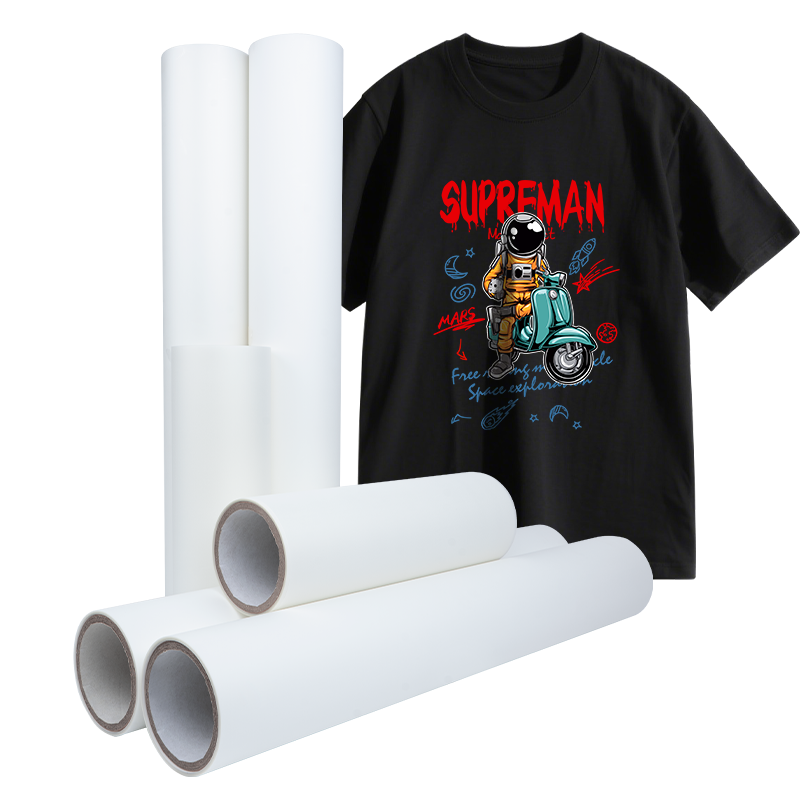
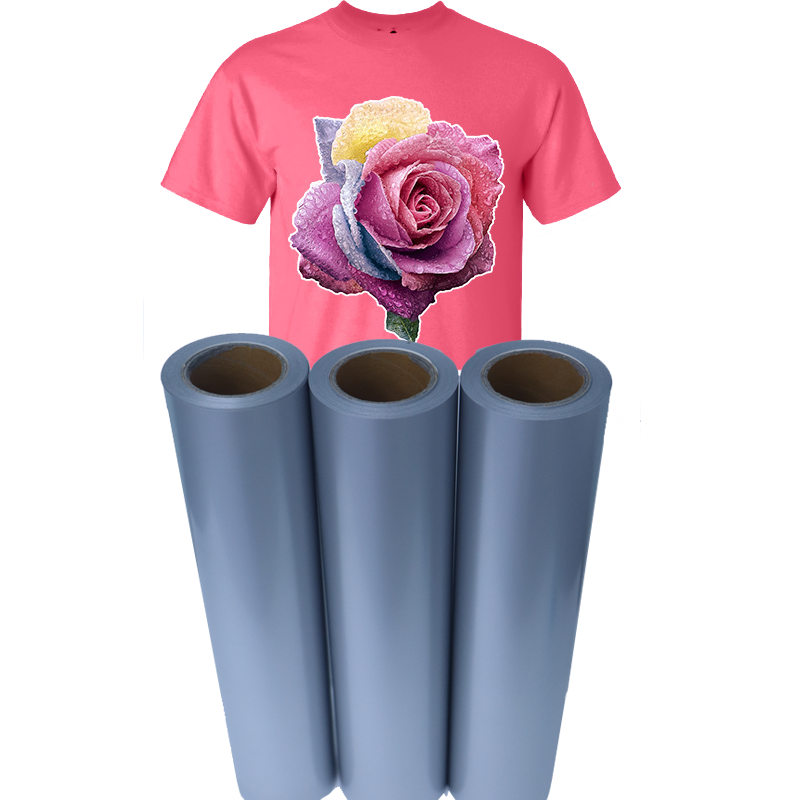
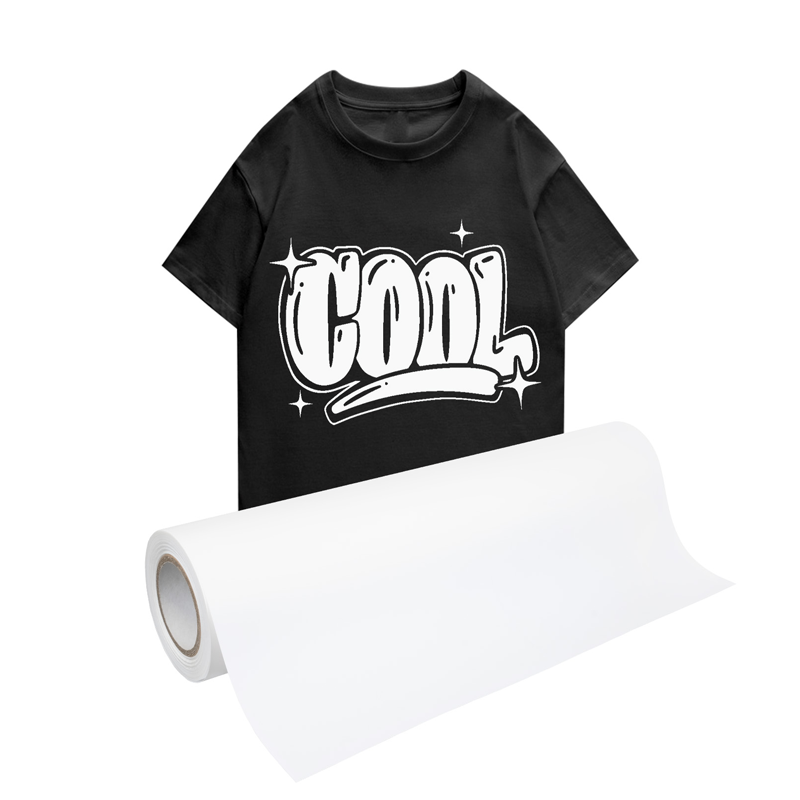
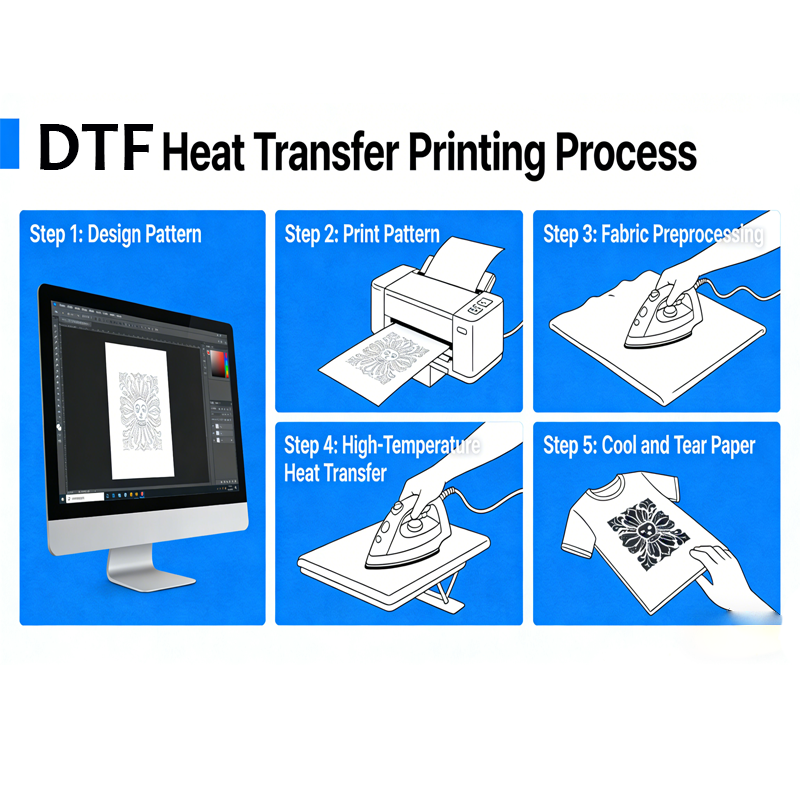
DTF (Direct to Film) printing film is a specially coated PET film used as a transfer medium. Designs are printed onto the film using DTF ink, then coated with adhesive powder, and finally transferred onto fabric using a heat press.
Unlike traditional methods, DTF doesn’t require cutting or weeding. You print your design directly, cure it, and press it onto almost any fabric.
That simplicity is one of the main reasons it's becoming so popular.
Here’s how the process typically goes:
Print your design onto the DTF film using a DTF printer
Apply hot melt adhesive powder evenly
Cure the powder using heat
Transfer the design onto fabric using a heat press
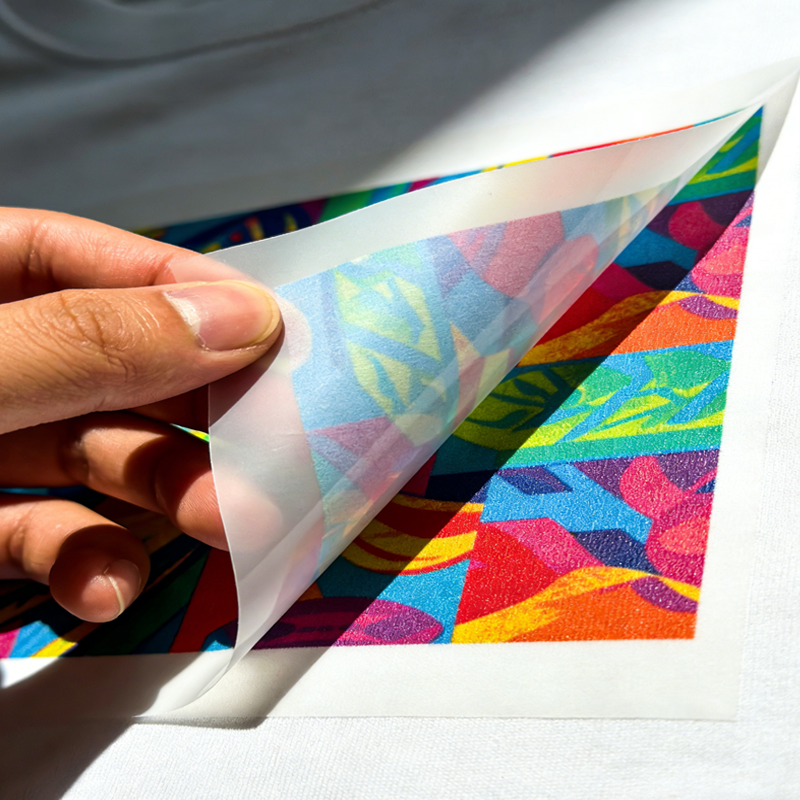
Peel the film (cold peel or hot peel depending on the type)
What makes DTF unique is that it separates the printing and transferring process, giving you more flexibility and consistency.
Not all DTF films are the same. The two most common types are:
Requires the film to cool down before peeling
Usually provides more stable results
Better for detailed designs
Can be peeled immediately after pressing
Faster workflow
Preferred for high-volume production
If you're running a small workshop, cold peel may give you more control. For larger-scale operations, hot peel can significantly improve efficiency.
DTF is not just a trend—it solves real problems in garment printing.
Cotton, polyester, blends, even some non-textile surfaces—DTF handles them all.
Unlike HTV, you don’t need to cut and weed designs, which saves a lot of labor time.
Good DTF film, combined with quality powder, results in prints that withstand multiple washes without cracking.
DTF printing captures gradients and small details much better than many traditional methods.
If you're choosing between DTF and HTV, here’s a straightforward comparison:
DTF Film
Better for complex, multi-color designs
Faster for bulk production
No cutting or weeding
HTV
Easier for simple designs
Lower initial setup cost
Good for beginners
In short, HTV is great when you’re just starting. But if you're scaling or handling detailed artwork, DTF is usually the better option.
Not all films perform the same. Here are a few things experienced buyers always check:
A consistent coating ensures even ink absorption and clean transfers.
Poor release leads to broken designs or residue. Always test peel performance.
Static can ruin powder application. Good film minimizes this issue.
Make sure the film matches your ink, printer, and powder system.
Roll vs sheets depends on your workflow. Rolls are better for automation.
Even with good materials, issues can happen:
Ink smudging → Often caused by low-quality coating
Poor adhesion → Incorrect curing temperature or bad powder
Difficult peeling → Film mismatch (hot vs cold peel confusion)
Most problems are not from the printer—but from inconsistent consumables.
If you’re:
Running a print shop
Selling custom apparel
Looking to scale production
Then yes—DTF film is worth considering.
It reduces manual work, improves consistency, and opens up more product possibilities.
DTF printing film isn’t just another option—it’s becoming a standard in modern garment decoration.
The key is not just using DTF, but using the right film that matches your workflow and quality expectations.
If you’re currently testing suppliers or comparing materials, take the time to evaluate samples properly. A small difference in film quality can lead to a big difference in final results.
If you're unsure which type of DTF film fits your business, feel free to reach out.
We can help you:
Compare cold peel vs hot peel options
Recommend suitable film for your machine
Provide samples for testing
👉 Contact us to get free samples and technical support.
 Hot News
2026-03-19
2025-11-20
2025-11-13
2025-11-06
2025-10-30
2025-10-23

Discover high-quality heat transfer materials from Guangzhou Haoyin New Material Technology. With over 29 years of experience, our 100,000 sqm factory offers top-notch products like Heat Transfer Vinyl, DTF, and PET Release Film. ISO 9001 & ISO 14001 certified. Visit us today!
Unit 309, No. 9, Shenzhou Road, Huangpu District, Guangzhou, Guangdong, China
Copyright © 2026 Guangzhou Haoyin New Material Technology Co., Ltd. All rights reserved. Privacy Policy
 EN
EN