 EN
EN


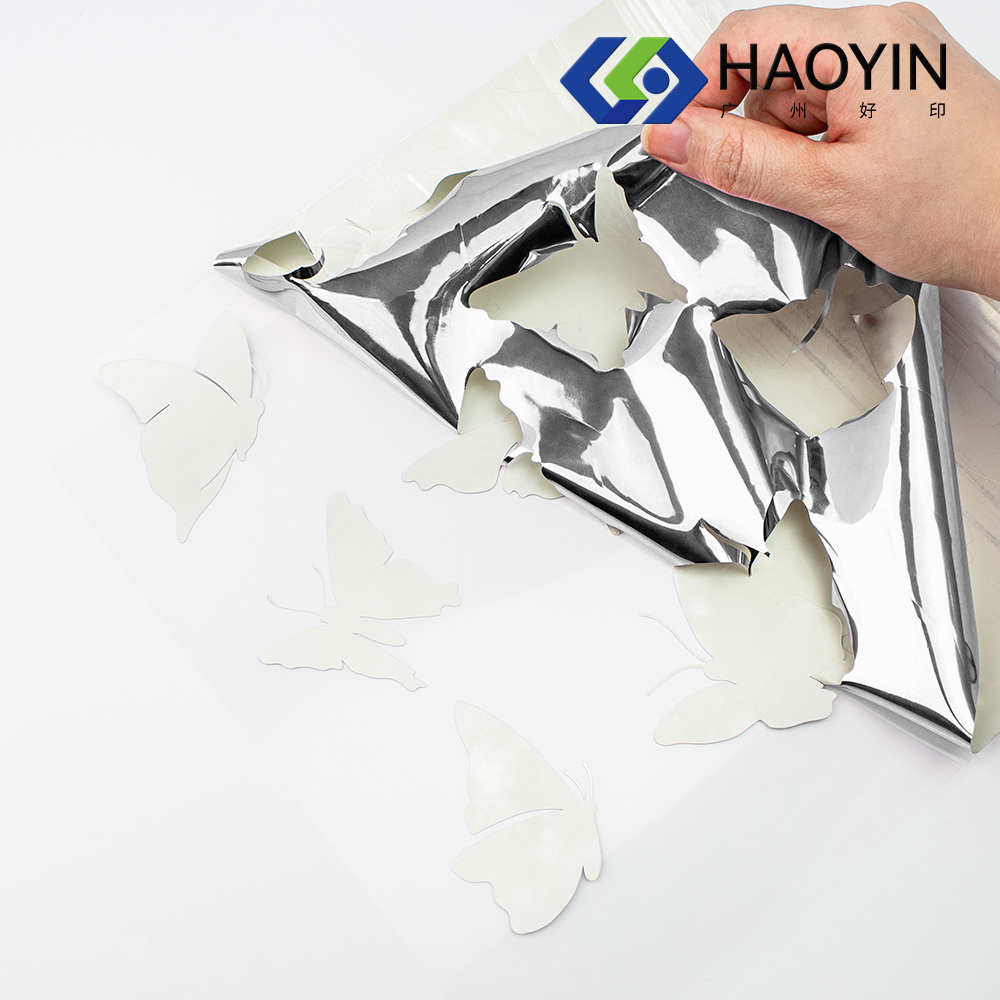
If you have ever ironed a design onto a garment using metallic htv and then watched it transform dramatically when placed under studio lighting, you already understand why this material continues to captivate designers, photographers, and custom apparel creators alike. The interaction between a reflective heat transfer surface and controlled studio light is not accidental — it is a product of the film's layered construction, pigment density, and surface texture working together to scatter, absorb, and reflect photons in ways that flat matte films simply cannot. Understanding that dynamic is essential for anyone who relies on finished garments to perform visually in professional photography or video production.
The behavior of metallic htv under studio lighting is far more nuanced than most decorators initially expect. A finish that looks rich and dimensional under natural daylight can appear either blazingly brilliant or unexpectedly flat depending on the angle, color temperature, and diffusion of the studio source. This guide explores the optical mechanics behind those changes, explains what factors amplify or subdue the effect, and provides practical guidance for anyone selecting or applying metallic htv for visually demanding environments.

The Optical Science Behind Metallic HTV Finishes
How the Metallic Layer Is Constructed
Metallic htv is manufactured by bonding a thin reflective metallic layer — typically a vacuum-deposited aluminum or polyester film — to a carrier sheet with a heat-activated adhesive underneath. This layered construction is what separates it from standard glitter or foil-look films. The metallic layer behaves like a micro-mirror system rather than a pigment-based surface, meaning light bounces off it in a highly directional and specular manner.
Because the surface is smooth and continuous rather than granular, it produces specular highlights rather than diffuse color scatter. This is why a red metallic htv in a studio setting does not simply look like a brighter red — it produces white-hot hot-spots at certain angles while appearing deep crimson at others. The relationship between the camera angle, the light source angle, and the fabric surface all determine which visual effect the viewer perceives.
Textured variants of metallic htv, such as brushed or hammered metallic finishes, introduce deliberate micro-surface variations that spread specular reflection across a wider angle cone. This is why brushed gold metallic htv tends to look more consistently brilliant under flat studio lighting rather than forming a single hot spot that the camera may need to avoid.
The Role of Surface Smoothness in Light Response
Surface smoothness is the single most important factor in determining how dramatically metallic htv changes under studio lighting. Highly polished, mirror-like metallic films will shift from brilliant to near-invisible as a light source moves from a direct angle to a grazing or raking position. A decorator working with smooth silver metallic htv can produce a garment that reads completely differently depending on where the studio flash is positioned relative to the fabric plane.
In contrast, a textured metallic htv surface maintains a more predictable visual weight across a range of lighting angles because its micro-facets are oriented in many directions simultaneously. For photographers who need consistent results across a look book shoot, this texture factor is a practical selection criterion, not just an aesthetic one. Knowing the surface profile of the metallic htv you are using before the shoot begins can save significant retouching time.
How Studio Light Characteristics Alter the Visual Effect
Color Temperature and Its Impact on Perceived Metallic Tone
Studio lighting is never neutral in the way that theoretical white light is described in physics classrooms. Every practical light source — softboxes, LED panels, strobe heads, continuous tungsten sources — carries a color temperature measured in Kelvin. This color temperature profoundly affects how metallic htv is perceived. A warm tungsten source at around 3200K will push gold and bronze metallic htv finishes toward a deeper, more saturated amber tone, enhancing the illusion of genuine metal.
A daylight-balanced LED panel at 5600K will do the opposite — it cools the same gold metallic htv slightly, making it appear cleaner and more champagne-like, sometimes closer to silver than gold if the metallic layer is thin. This shift is not a flaw in the material; it is an accurate reflection of how metallic surfaces behave physically. The same principle applies to silver metallic htv: under warm light it acquires a slight golden cast, while under cool light it appears crisp and neutral.
For print and apparel designers producing assets destined for editorial or commercial photography, the implication is significant. Color-matching a metallic htv design to a specific brand palette must account for the expected studio lighting environment, not just the appearance on a light table or in a showroom. A silver that matches a brand's metallic pantone exactly in natural light may shift perceptibly under the warm ambient light of a lifestyle studio setup.
Diffused Light Versus Hard Directional Light
The degree of light diffusion is arguably as important as color temperature when predicting how metallic htv will behave in a studio. Hard, undiffused light — such as a bare strobe head or a spotlight with no modifiers — creates extremely sharp, high-contrast specular highlights on smooth metallic htv surfaces. In still photography, this produces a dramatic, high-fashion effect. In video production, however, those same sharp highlights can flicker and shift distractingly with even minor subject movement.
A large softbox or octabox wraps the light source across a wide emission area, spreading reflection across more of the metallic htv surface simultaneously. This produces a gradient of brightness rather than a pin-point highlight, making the metallic quality appear rich and dimensional without the blown-out areas that bare flash can create. Many professional studio photographers who work extensively with decorated garments prefer large diffused sources for exactly this reason.
Parabolic reflectors occupy an interesting middle ground: they produce a semi-hard light with some directionality but with enough apparent source size to create a stretched, elongated highlight across the metallic htv surface. This effect is particularly flattering for horizontal text or logo graphics cut from metallic htv, as the elongated highlight traces the geometry of the lettering and reinforces its form.
Angle, Distance, and Movement Effects
How Viewing and Lighting Angle Create Optical Shift
One of the most striking properties of metallic htv in a studio environment is the way it shifts appearance as either the light source or the subject changes angle. This is the same physical principle behind iridescent or color-shifting paints, though the mechanism in metallic htv is primarily specular reflection rather than thin-film interference. Move the studio light 15 to 20 degrees off-axis from the camera and a silver metallic htv graphic on a black base fabric will appear to glow intensely; bring the light back on-axis and the same graphic becomes significantly more subdued.
Garment photographers and videographers use this angular sensitivity deliberately. A rack of custom apparel decorated with metallic htv can be made to read as luxurious and premium simply by positioning a key light at a 45-degree angle to the surface plane. The highlights trace the contours of the garment, creating the impression of depth and tactility that flat printed graphics cannot replicate. Knowing this, a decorator can advise clients on optimal display and photography setups rather than leaving visual results to chance.
The Effect of Subject Movement in Video Production
When a garment decorated with metallic htv is worn by a moving subject in a video production environment, the continuous shift of the reflective surface relative to fixed light sources creates a dynamic shimmer that is impossible to achieve with standard htv. The metallic film essentially acts as a moving mosaic of micro-mirrors, each element reflecting slightly different directions as the fabric flexes and moves. This effect is visually dramatic but requires careful exposure management.
Overexposed metallic htv in video will blow out to white and lose all definition in the metallic quality. The practical recommendation for video cinematographers working with garments that incorporate metallic htv is to monitor exposure at the brightest anticipated light angle and reduce overall key light intensity until the specular highlight remains within the camera sensor's dynamic range. A polarizing filter applied to the lens can also attenuate the most extreme specular peaks without significantly affecting the rest of the image.
Practical Implications for Decorators and Designers
Selecting the Right Metallic HTV Finish for the Application
Choosing the correct metallic htv finish begins with understanding the intended lighting environment for the final garment. A decorator producing custom stage costumes for a live performance under moving theatrical LED fixtures will benefit from a highly specular, mirror-finish metallic htv that captures and redistributes beam light dramatically across the stage. In contrast, a decorator producing garments for an e-commerce catalog where images will be captured under consistent softbox lighting may prefer a brushed or satin-finish metallic htv that reads more evenly across all images with less retouching required.
The metallic htv selection process should also account for base fabric color and texture. A mirror-finish gold metallic htv applied to a dark, textured fabric will exhibit a very different light interaction compared to the same film on a smooth white fabric. The fabric's surface contributes its own texture to the edge geometry of the applied film, and under raking studio light these edge variations become visible and can either enhance or complicate the overall visual result.
Preparation and Application Factors That Affect Lighting Performance
Even the highest quality metallic htv will underperform visually if application variables are not controlled. Application temperature, pressure, and dwell time all affect how completely and evenly the metallic film bonds to the substrate. Incomplete bonding can produce micro-lifting at the edges of a graphic, and these edge irregularities catch light differently from the fully bonded center area. Under soft, diffused studio lighting, this may not be perceptible, but under hard directional light it creates a halo or glare artifact around the graphic boundary.
Pre-pressing the garment to remove moisture and wrinkles before applying metallic htv is particularly important for achieving a flat, even surface that reflects light uniformly. Wrinkles in the fabric that become permanent under the heat press create irregular surface planes in the applied film, and each of those planes reflects the studio light at a slightly different angle. The cumulative effect is a mottled or uneven highlight pattern that diminishes the perceived quality of the finished garment. Consistent, disciplined application technique is the foundation of predictable lighting performance.
FAQ
Does metallic htv look different under natural light compared to studio light?
Yes, metallic htv responds quite differently to natural light versus controlled studio light. Natural daylight is diffuse, comes from a large apparent source (the sky), and varies in color temperature throughout the day. Studio light is typically more directional, controlled, and consistent. Because metallic htv is highly sensitive to the angle and quality of the light source, the structured directionality of studio lighting tends to produce more dramatic specular highlights compared to the even, wrapping quality of indirect natural light.
Can the camera angle alone change how metallic htv appears in photos?
Camera angle influences how much of the specular highlight from metallic htv falls within the lens's field of view, but the light source angle relative to the garment surface is actually the primary determinant. Moving the camera without changing the light can shift whether the camera captures the hot-spot reflection or a darker angle of the metallic surface. In practice, both camera and light positioning work together to determine the final appearance of metallic htv in studio photography.
Does the color of metallic htv affect how much it changes under lighting?
Yes, the base color of a metallic htv film interacts with the color temperature of the light source to produce combined shifts. Gold metallic htv is particularly sensitive to light color temperature because gold itself has a strong color identity that warm or cool light can reinforce or neutralize. Silver and chrome metallic films are more neutral in their base tone and therefore shift less dramatically in color under different studio lights, though their specular behavior remains equally angle-dependent.
Is brushed metallic htv better for studio photography than mirror-finish metallic htv?
Neither is objectively better — they serve different visual purposes. Mirror-finish metallic htv creates dramatic, high-contrast highlights that suit editorial fashion photography and stage applications where maximum visual impact is desired. Brushed metallic htv produces a more evenly distributed shimmer across a wider lighting range, making it more predictable and consistent for product catalog photography where exposure control is paramount. The choice should be driven by the specific visual output required rather than a general preference for one over the other.
Table of Contents
- The Optical Science Behind Metallic HTV Finishes
- How Studio Light Characteristics Alter the Visual Effect
- Angle, Distance, and Movement Effects
- Practical Implications for Decorators and Designers
-
FAQ
- Does metallic htv look different under natural light compared to studio light?
- Can the camera angle alone change how metallic htv appears in photos?
- Does the color of metallic htv affect how much it changes under lighting?
- Is brushed metallic htv better for studio photography than mirror-finish metallic htv?