 EN
EN


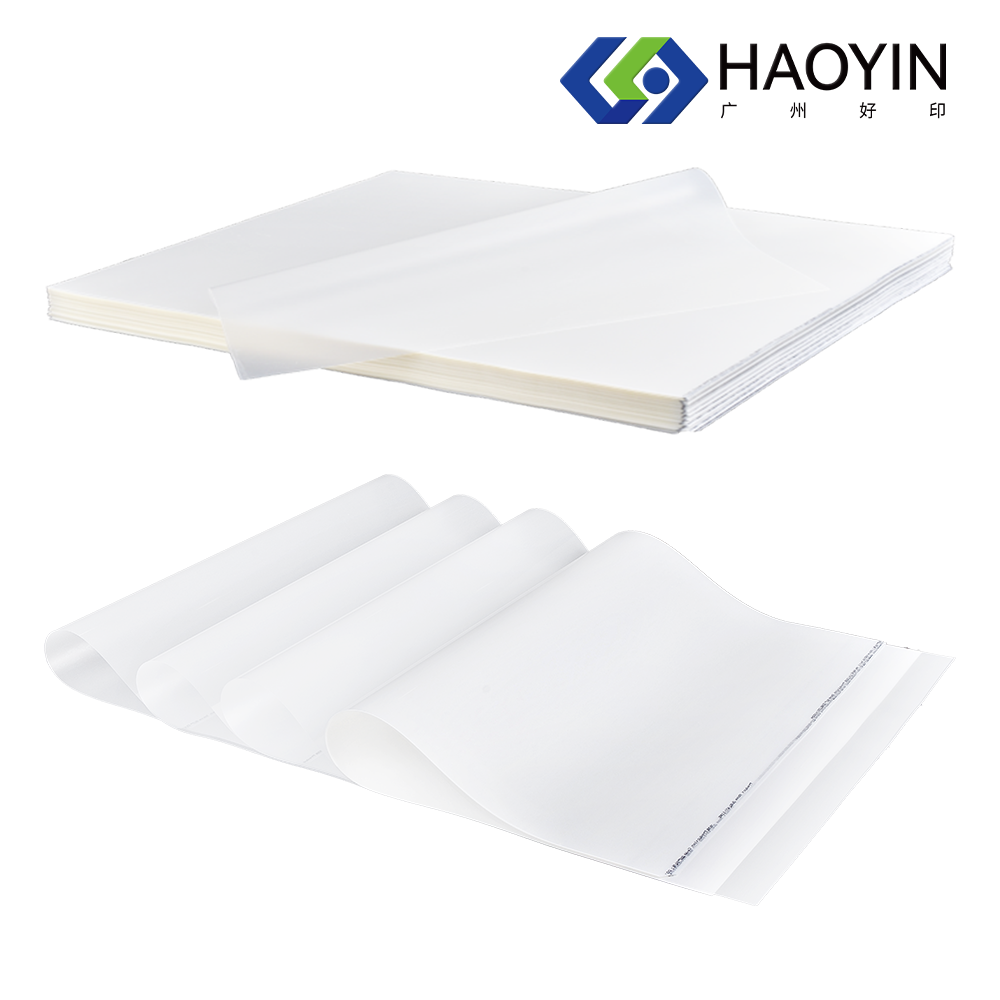
Modern printing operations face increasing pressure to reduce environmental impact while maintaining production efficiency and print quality. As sustainability becomes a critical business priority, manufacturers are seeking materials that support eco-friendly practices without compromising operational performance. Pet film has emerged as a transformative solution, enabling print production lines to achieve environmental goals through its recyclable properties, reduced waste generation, and energy-efficient processing characteristics that align with green manufacturing principles.
The integration of pet film into environmentally conscious printing workflows represents a fundamental shift in how production facilities approach sustainable manufacturing. This advanced polymer material delivers exceptional performance characteristics while supporting circular economy principles through its complete recyclability and reduced environmental footprint. Understanding how pet film contributes to eco-friendly print production requires examining its material properties, processing advantages, and long-term sustainability benefits that make it an essential component in responsible manufacturing operations.
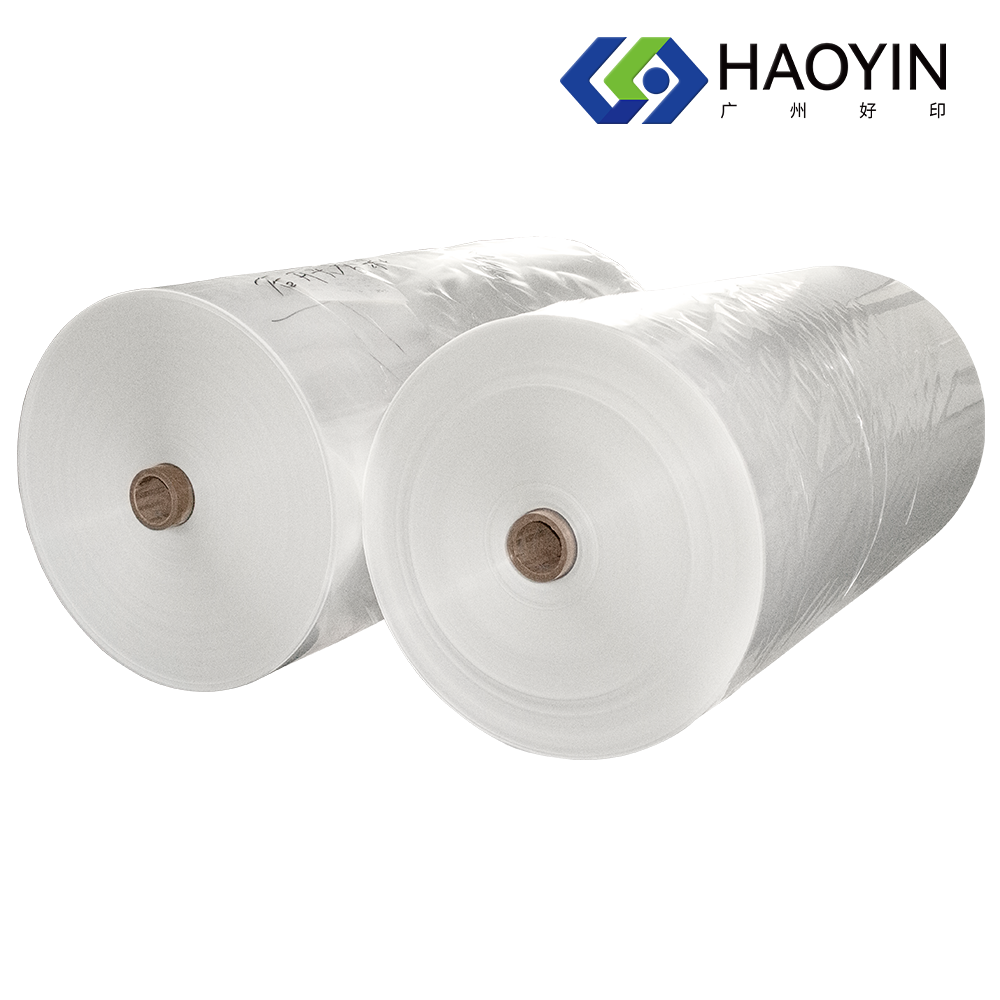
Environmental Benefits of Pet Film in Print Manufacturing
Recyclability and Circular Economy Support
Pet film supports eco-friendly print production lines primarily through its complete recyclability, which enables manufacturers to implement closed-loop material cycles. Unlike traditional release films that often contain mixed materials or chemical coatings that complicate recycling, pet film maintains its molecular integrity through multiple recycling cycles. This characteristic allows printing facilities to collect used pet film from their production processes and reprocess it into new film products, significantly reducing raw material consumption and waste generation.
The recyclability of pet film extends beyond simple material recovery to encompass energy recovery benefits. When mechanical recycling reaches its practical limits, pet film can undergo chemical recycling processes that break down the polymer chains into base monomers for creating virgin-quality materials. This dual recyclability pathway ensures that virtually all pet film used in print production can be diverted from landfills, supporting comprehensive waste reduction strategies that align with corporate sustainability goals.
Manufacturing facilities implementing pet film in their production lines report significant improvements in their environmental performance metrics. The material's compatibility with existing recycling infrastructure eliminates the need for specialized disposal processes, reducing operational complexity while improving environmental compliance. This streamlined approach to material lifecycle management enables print manufacturers to achieve sustainability certifications and meet increasingly stringent environmental regulations without disrupting production efficiency.
Reduced Chemical Emissions and Cleaner Processing
Pet film contributes to eco-friendly print production through its inherently low emission characteristics during processing and application. The material requires minimal chemical additives for effective release properties, reducing volatile organic compound emissions that traditionally compromise air quality in printing facilities. This reduction in chemical emissions creates healthier working environments while minimizing the environmental impact of production operations.
The processing advantages of pet film extend to energy efficiency improvements that support sustainable manufacturing practices. The material's stable thermal properties allow for optimized processing temperatures, reducing energy consumption during lamination, coating, and release operations. Lower processing temperatures also minimize thermal stress on printing equipment, extending machinery lifespan and reducing the environmental impact associated with frequent equipment replacement.
Advanced pet film formulations incorporate antistatic and surface treatment technologies that eliminate the need for additional chemical treatments during processing. This integrated approach reduces chemical consumption while maintaining superior release performance, enabling manufacturers to achieve environmental objectives without compromising production quality. The elimination of secondary chemical treatments also reduces wastewater generation and simplifies environmental compliance requirements.
Resource Efficiency and Waste Reduction Mechanisms
Material Optimization and Yield Improvements
Pet film enables significant resource efficiency improvements in print production lines through its exceptional dimensional stability and consistent release characteristics. The material's predictable behavior during processing reduces setup waste and minimizes material consumption through improved yield rates. Print manufacturers utilizing pet film report substantial reductions in startup waste, material rejection rates, and production line inefficiencies that traditionally contribute to environmental impact.
The superior release properties of pet film eliminate the need for excessive release agent applications, reducing chemical consumption while maintaining optimal separation performance. This efficiency improvement translates directly into reduced material costs and environmental impact, as manufacturers can achieve desired performance levels with minimal chemical inputs. The consistent performance of pet film also reduces the frequency of process adjustments and material changeovers that typically generate waste during production transitions.
Advanced pet film technologies incorporate precise thickness control and surface uniformity that optimize material utilization across printing applications. The material's consistent properties enable manufacturers to reduce safety margins and operate with tighter process tolerances, maximizing resource efficiency while maintaining quality standards. This optimization approach supports lean manufacturing principles while reducing the environmental footprint associated with excess material consumption.
Longevity and Durability Advantages
The exceptional durability of pet film supports eco-friendly print production by extending material service life and reducing replacement frequency. Unlike conventional release films that may degrade rapidly under processing conditions, pet film maintains its performance characteristics through extended use cycles. This longevity reduces the total material consumption required for print production operations while minimizing the environmental impact associated with frequent material disposal and replacement.
Pet film demonstrates superior resistance to chemical degradation, thermal cycling, and mechanical stress that commonly affect other release materials in printing applications. This resilience enables manufacturers to implement reuse strategies where pet film can be recovered, cleaned, and returned to production cycles multiple times before reaching end-of-life. The ability to reuse pet film significantly amplifies its environmental benefits while reducing operational costs associated with material procurement.
The storage stability of pet film contributes to resource efficiency by eliminating material degradation during inventory management. Unlike some alternative materials that may deteriorate during storage, pet film maintains its properties indefinitely when stored properly, reducing material waste from expired inventory. This stability enables manufacturers to optimize inventory levels and reduce the environmental impact associated with material spoilage and premature disposal.
Process Integration and Operational Sustainability
Energy Efficiency in Production Workflows
Pet film supports eco-friendly print production through its compatibility with energy-efficient processing conditions that reduce overall facility energy consumption. The material's thermal properties enable effective processing at lower temperatures compared to many alternative materials, directly reducing energy requirements for heating systems and thermal processing equipment. This energy efficiency improvement contributes significantly to carbon footprint reduction while maintaining production quality and throughput.
The processing efficiency of pet film extends to reduced cycle times and improved production speeds that maximize equipment utilization while minimizing energy consumption per unit of output. Faster processing cycles enabled by pet film's superior release characteristics allow manufacturers to increase productivity while reducing the total energy required for production operations. This efficiency improvement supports both environmental objectives and operational profitability.
Advanced pet film formulations incorporate surface treatments that optimize processing conditions across diverse printing applications. These treatments reduce the energy required for heating, cooling, and material handling while maintaining superior performance characteristics. The optimized processing conditions enabled by pet film allow manufacturers to implement energy management strategies that significantly reduce facility energy consumption without compromising production capabilities.
Equipment Longevity and Maintenance Reduction
Pet film contributes to sustainable print production by reducing equipment wear and extending machinery service life through its non-abrasive properties and chemical inertness. The smooth surface characteristics of pet film minimize friction and wear on processing equipment, reducing maintenance requirements and extending component lifespan. This equipment preservation effect reduces the environmental impact associated with manufacturing replacement parts and disposing of worn equipment components.
The chemical compatibility of pet film with printing equipment eliminates corrosion concerns that commonly affect facilities using aggressive release agents or chemically active materials. This compatibility preserves equipment integrity while reducing maintenance chemical consumption and extending service intervals. Reduced maintenance requirements translate directly into lower environmental impact through decreased chemical usage and reduced maintenance waste generation.
Manufacturing facilities utilizing pet film report significant reductions in unscheduled maintenance events and equipment failures that typically disrupt production schedules and increase energy consumption. The reliable performance of pet film enables predictive maintenance strategies that optimize equipment utilization while minimizing the environmental impact associated with emergency repairs and production disruptions.
Quality Enhancement and Waste Prevention
Consistent Performance and Reduced Rejection Rates
Pet film enables eco-friendly print production by delivering consistent release performance that minimizes product rejection rates and associated waste generation. The material's uniform properties across manufacturing lots ensure predictable behavior during processing, reducing quality variations that commonly lead to product waste. This consistency enables manufacturers to achieve higher yield rates while reducing the environmental impact associated with defective product disposal.
The superior surface quality of pet film prevents contamination issues that frequently compromise print quality in production environments. The material's smooth, clean surface eliminates particulate transfer and chemical migration that can cause print defects, reducing rejection rates and material waste. This contamination prevention capability supports zero-waste initiatives while maintaining high-quality output standards.
Advanced pet film technologies incorporate static control and surface treatment features that prevent common quality issues associated with dust attraction and surface defects. These integrated solutions eliminate the need for additional processing steps while ensuring consistent quality output, reducing both material consumption and energy requirements for quality control measures.
Enhanced Product Protection and Shelf Life
Pet film supports sustainable print production by providing superior product protection that extends shelf life and reduces waste from product degradation. The material's excellent barrier properties protect printed materials from moisture, oxygen, and other environmental factors that can compromise quality during storage and transportation. This protection capability reduces product waste while supporting extended distribution networks that optimize logistics efficiency.
The chemical inertness of pet film prevents unwanted interactions with printed substrates and inks that commonly cause quality degradation over time. This stability ensures that printed products maintain their quality throughout extended storage periods, reducing waste from expired or degraded inventory. The extended shelf life enabled by pet film protection supports efficient inventory management while reducing the environmental impact of product disposal.
Manufacturing operations utilizing pet film for product protection report significant reductions in customer returns and quality complaints related to product degradation during distribution. This quality preservation capability reduces the environmental impact associated with return logistics, product disposal, and replacement manufacturing while supporting customer satisfaction objectives.
FAQ
How does pet film recycling work in print production facilities?
Pet film recycling in print production involves collecting used film materials from production processes and processing them through mechanical or chemical recycling systems. The film can be cleaned, shredded, and reprocessed into new pet film products, creating a closed-loop material cycle that significantly reduces waste generation and raw material consumption in manufacturing operations.
What environmental certifications are available for pet film used in printing?
Pet film used in printing applications can qualify for various environmental certifications including recyclability standards, carbon footprint certifications, and sustainable manufacturing credentials. Many pet film manufacturers provide documentation supporting REACH compliance, RoHS compliance, and recyclability verification that enables print manufacturers to meet environmental certification requirements for their operations.
Can pet film replace all traditional release materials in eco-friendly printing?
Pet film can replace most traditional release materials in eco-friendly printing applications, though specific application requirements may influence material selection. The material's versatility and performance characteristics make it suitable for the majority of release applications, while its environmental benefits make it the preferred choice for facilities implementing comprehensive sustainability programs.
How does pet film cost compare to traditional materials when environmental benefits are considered?
While pet film may have higher initial costs compared to some traditional materials, the total cost of ownership often favors pet film when environmental benefits, disposal costs, recycling value, and process efficiencies are included in the analysis. The reduced waste disposal costs, energy savings, and potential recycling revenue often offset initial material cost differences, making pet film economically attractive for sustainable printing operations.
Table of Contents
- Environmental Benefits of Pet Film in Print Manufacturing
- Resource Efficiency and Waste Reduction Mechanisms
- Process Integration and Operational Sustainability
- Quality Enhancement and Waste Prevention
-
FAQ
- How does pet film recycling work in print production facilities?
- What environmental certifications are available for pet film used in printing?
- Can pet film replace all traditional release materials in eco-friendly printing?
- How does pet film cost compare to traditional materials when environmental benefits are considered?