 EN
EN


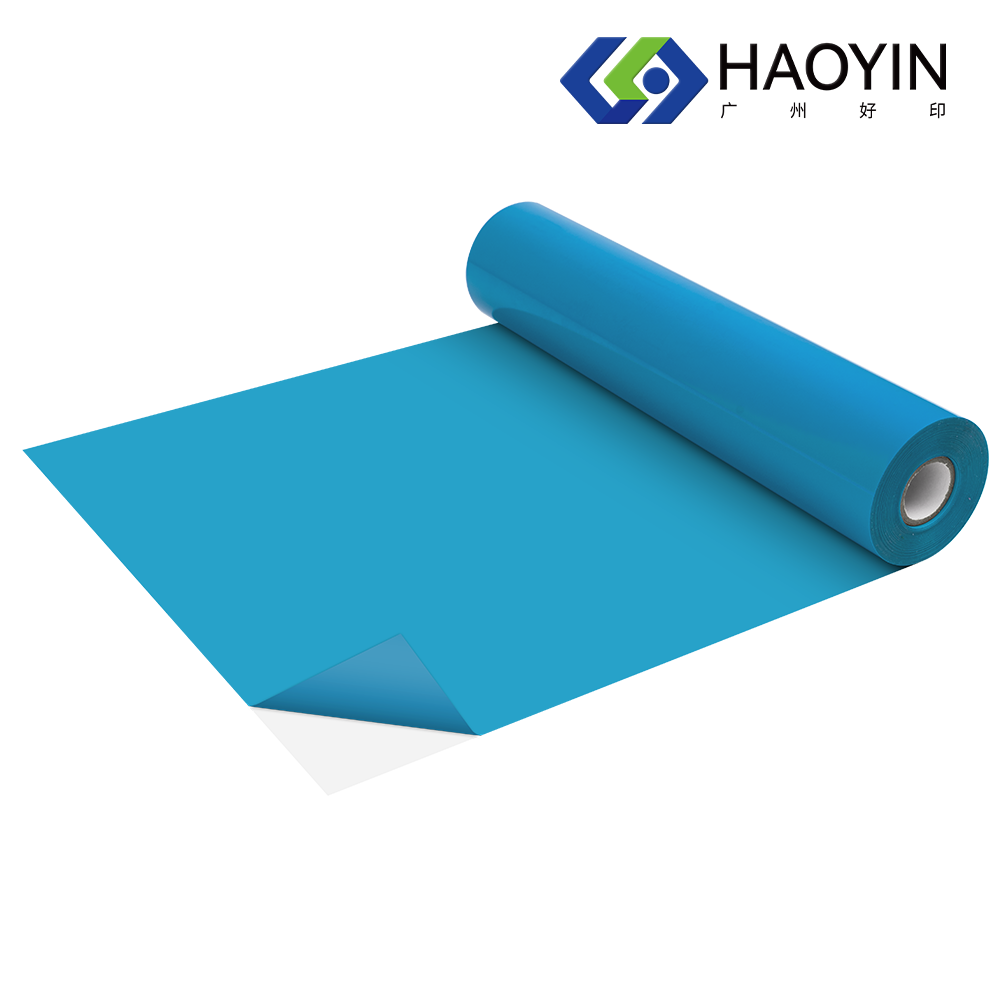
Athletic wear branding has evolved dramatically with the introduction of advanced heat transfer technologies, particularly polyurethane heat transfer vinyl materials that offer unprecedented flexibility and performance characteristics. Modern sportswear manufacturers increasingly rely on pu htv solutions to create durable, professional-grade branding that can withstand the demanding conditions of athletic activities while maintaining visual appeal and brand integrity throughout extended use cycles.
The strategic implementation of pu htv technology in athletic wear branding delivers measurable advantages across multiple performance dimensions, from enhanced durability and stretch compatibility to superior adhesion properties that ensure long-lasting brand presentation. Understanding these specific benefits enables sportswear designers and manufacturers to make informed decisions about branding solutions that align with both functional requirements and aesthetic objectives in competitive athletic markets.
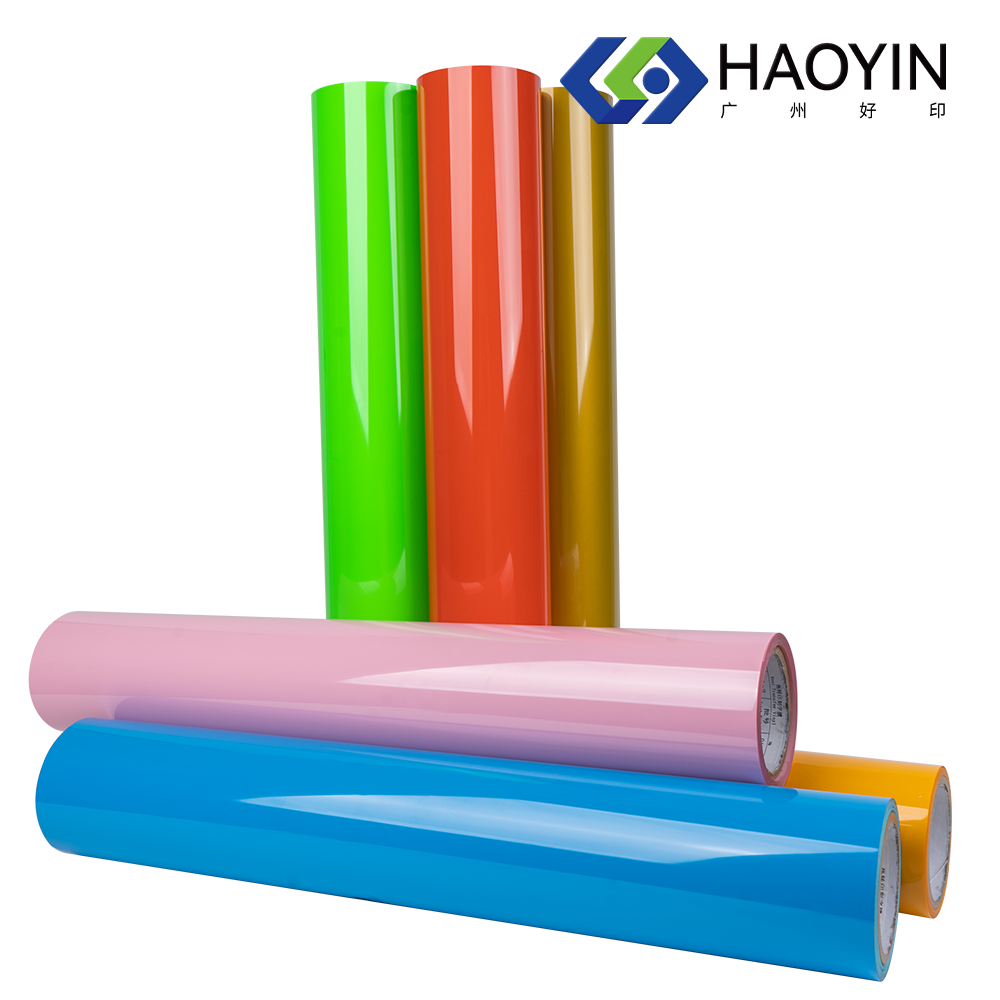
Enhanced Durability and Performance Under Athletic Stress
Superior Resistance to Mechanical Stress
The molecular structure of pu htv materials provides exceptional resistance to cracking, peeling, and degradation under repetitive mechanical stress that characterizes athletic activities. Unlike traditional vinyl materials, polyurethane-based heat transfer solutions maintain their structural integrity through thousands of stretch cycles, ensuring that branded elements remain intact during high-intensity movements, jumps, and contact sports scenarios.
This mechanical resilience translates directly into extended garment lifespan and consistent brand presentation throughout the product lifecycle. Athletes and fitness enthusiasts experience reliable branding performance that doesn't compromise garment functionality or create distracting visual deterioration during training sessions or competitive events.
The stress distribution properties of pu htv materials also prevent localized failure points that commonly develop in rigid branding applications. This characteristic proves particularly valuable in athletic wear where fabric tension varies significantly across different body regions and movement patterns.
Temperature and Environmental Stability
Athletic environments expose garments to extreme temperature variations, moisture levels, and chemical conditions that challenge conventional branding materials. Pu htv technology demonstrates exceptional stability across temperature ranges from freezing outdoor conditions to high-heat indoor training facilities, maintaining both adhesive properties and visual appearance regardless of environmental conditions.
The moisture resistance characteristics of pu htv materials prevent degradation from perspiration, humidity, and frequent washing cycles that are inherent to athletic wear usage patterns. This environmental stability ensures that brand elements retain their professional appearance and adherence properties throughout extended use periods in demanding conditions.
Chemical resistance properties also protect branded areas from exposure to sports drinks, cleaning products, and other substances commonly encountered in athletic environments. This comprehensive environmental protection maintains brand integrity and prevents premature replacement costs associated with branding failure.
Optimal Stretch and Movement Compatibility
Multi-Directional Elasticity Performance
The elastomeric properties of pu htv materials enable seamless integration with high-performance athletic fabrics that require significant stretch capabilities in multiple directions. This compatibility ensures that branded areas move naturally with the garment and wearer, preventing restriction or discomfort that could impact athletic performance or user satisfaction.
Unlike rigid branding solutions that create stress concentration points, pu htv materials distribute mechanical loads evenly across the branded area, preventing fabric damage and maintaining garment functionality. This load distribution capability proves essential for high-performance athletic wear where fabric integrity directly impacts user experience and safety.
The recovery characteristics of polyurethane materials also ensure that branded areas return to their original dimensions after stretching, preventing permanent deformation that could compromise brand appearance or garment fit over time.
Integration with Technical Fabric Systems
Modern athletic wear incorporates sophisticated fabric technologies including moisture management systems, compression zones, and ventilation channels that require compatible branding solutions. Pu htv materials integrate seamlessly with these technical fabric systems without compromising their functional properties or creating performance limitations.
The breathability characteristics of pu htv technology allow moisture vapor transmission through branded areas, maintaining the moisture management capabilities of high-performance base layers and training garments. This compatibility ensures that branding enhancement doesn't create hot spots or moisture accumulation that could negatively impact athletic performance.
Compression garment compatibility represents another significant advantage, as pu htv materials maintain their functional properties under the graduated pressure systems used in performance athletic wear. This compatibility enables comprehensive branding coverage without compromising the therapeutic or performance benefits of compression technology.
Advanced Adhesion and Bonding Characteristics
Molecular-Level Fabric Integration
The chemical composition of pu htv materials enables superior bonding at the molecular level with synthetic athletic fabrics, creating permanent adhesion that resists delamination under extreme conditions. This molecular integration eliminates the edge lifting and corner peeling commonly associated with surface-level adhesion systems used in conventional heat transfer applications.
The heat activation process for pu htv materials creates cross-linking between the vinyl material and fabric fibers, establishing a bond strength that often exceeds the tensile strength of the base fabric itself. This bonding characteristic ensures that branded areas remain permanently attached throughout the garment lifecycle, even under aggressive washing and usage patterns.
Temperature-specific activation properties allow precise control over the bonding process, enabling optimal adhesion without damaging sensitive performance fabrics or compromising their functional characteristics. This controlled bonding capability proves essential for high-value athletic wear where fabric integrity must be maintained throughout the manufacturing process.
Long-Term Adhesion Stability
The polymer structure of pu htv materials resists adhesion degradation over time, maintaining bond strength through hundreds of wash cycles and years of regular use. This long-term stability prevents the gradual adhesion failure that characterizes many alternative branding technologies, ensuring consistent brand presentation throughout the expected garment lifespan.
Washing machine and dryer compatibility represents a crucial advantage for athletic wear applications where frequent cleaning is essential for hygiene and performance maintenance. Pu htv materials maintain their adhesion properties through commercial-grade washing processes, including high-temperature sanitization cycles used in institutional athletic programs.
The chemical resistance of the adhesion interface also prevents degradation from exposure to detergents, fabric softeners, and stain removal treatments commonly used in athletic wear care. This chemical stability ensures that adhesion performance remains consistent regardless of the specific care products and procedures used by end users.
Professional Aesthetic and Brand Enhancement
Visual Quality and Appearance Standards
Pu htv materials deliver professional-grade visual quality that meets the aesthetic standards required for competitive athletic wear branding. The surface characteristics of polyurethane materials provide excellent color saturation, opacity, and finish consistency that maintains brand specifications across different lighting conditions and viewing angles.
The ability to achieve fine detail resolution enables complex logo designs, intricate graphics, and small text elements that maintain clarity and readability throughout the garment lifecycle. This detail capability allows brands to implement comprehensive visual identity systems that include multiple design elements without compromising legibility or visual impact.
Color stability properties of pu htv materials prevent fading, color shift, and degradation under UV exposure, chlorine contact, and other environmental factors that commonly affect athletic wear appearance. This color fastness ensures that brand elements maintain their specified appearance standards throughout extended outdoor use and pool environments.
Tactile Properties and User Experience
The surface texture and hand feel of pu htv materials closely match the tactile properties of high-performance athletic fabrics, creating a seamless user experience that doesn't draw attention to branded areas through texture differences. This tactile integration proves particularly important for athletic wear where any surface irregularity could cause distraction or discomfort during performance activities.
The flexibility and conformability of pu htv materials ensure that branded areas don't create stiff spots or restrict natural fabric drape, maintaining the intended fit and feel characteristics of the base garment. This flexibility preservation allows designers to implement comprehensive branding strategies without compromising garment functionality or comfort.
Edge definition capabilities enable clean, professional transitions between branded and non-branded areas, creating visually appealing results that enhance rather than detract from overall garment aesthetics. This edge quality proves essential for premium athletic wear where visual attention to detail directly impacts brand perception and market positioning.
Cost-Effectiveness and Manufacturing Efficiency
Production Process Optimization
The application characteristics of pu htv materials enable streamlined manufacturing processes that reduce production time and labor costs compared to alternative branding methods. The single-step heat application process eliminates multiple handling stages and reduces the potential for application errors that could result in product rejection or rework requirements.
Temperature and pressure consistency requirements for pu htv application integrate well with existing heat press equipment and automated application systems, minimizing capital investment requirements for manufacturers transitioning to this technology. This equipment compatibility reduces implementation barriers and accelerates adoption timelines for athletic wear producers.
The material efficiency characteristics of pu htv technology minimize waste generation through precise cutting capabilities and efficient nesting algorithms that optimize material utilization. This efficiency translates into direct cost savings and reduced environmental impact throughout the manufacturing process.
Long-Term Value and Return on Investment
The extended lifespan and durability characteristics of pu htv materials reduce warranty claims and customer service issues related to branding failure, creating measurable cost savings throughout the product lifecycle. This reliability advantage translates into improved customer satisfaction and reduced support overhead for athletic wear brands.
The professional appearance retention properties of pu htv materials support premium pricing strategies for high-performance athletic wear, enabling improved profit margins that offset any initial material cost considerations. This value preservation capability proves particularly important for brands positioning themselves in competitive athletic markets.
Inventory management benefits also arise from the shelf stability and storage characteristics of pu htv materials, which maintain their application properties for extended periods without special environmental controls. This stability reduces inventory risk and enables flexible production scheduling that can respond to demand variations without material degradation concerns.
FAQ
How long does pu htv branding typically last on athletic wear?
Pu htv materials typically maintain their appearance and adhesion properties for 3-5 years of regular athletic use, including weekly washing cycles and intensive training activities. The actual lifespan depends on usage intensity, care practices, and environmental exposure, but properly applied pu htv generally outlasts the functional lifespan of the base garment itself.
Can pu htv be applied to all types of athletic fabrics?
Pu htv materials are compatible with most synthetic athletic fabrics including polyester, nylon, spandex blends, and technical fabric systems. However, application parameters may need adjustment based on fabric composition and heat sensitivity. Natural fibers like cotton require different application techniques, and some specialty fabrics may have specific compatibility requirements that should be tested before production implementation.
What washing and care requirements apply to garments with pu htv branding?
Athletic wear with pu htv branding can be machine washed in cold to warm water using standard athletic wear detergents. Fabric softeners should be avoided as they can affect the surface properties of both the vinyl and base fabric. Tumble drying on medium heat settings is acceptable, but air drying extends the lifespan of both the branding and garment. Bleach and harsh chemicals should be avoided to maintain color fastness and material integrity.
Does pu htv affect the moisture-wicking properties of performance fabrics?
Properly selected pu htv materials maintain the breathability and moisture management properties of performance fabrics through their microporous structure that allows vapor transmission. However, extensive coverage areas may slightly reduce overall moisture transfer rates. For maximum performance retention, branding design should consider fabric functionality and limit coverage in critical moisture management zones while focusing on areas where visual impact is maximized without compromising performance characteristics.