 EN
EN



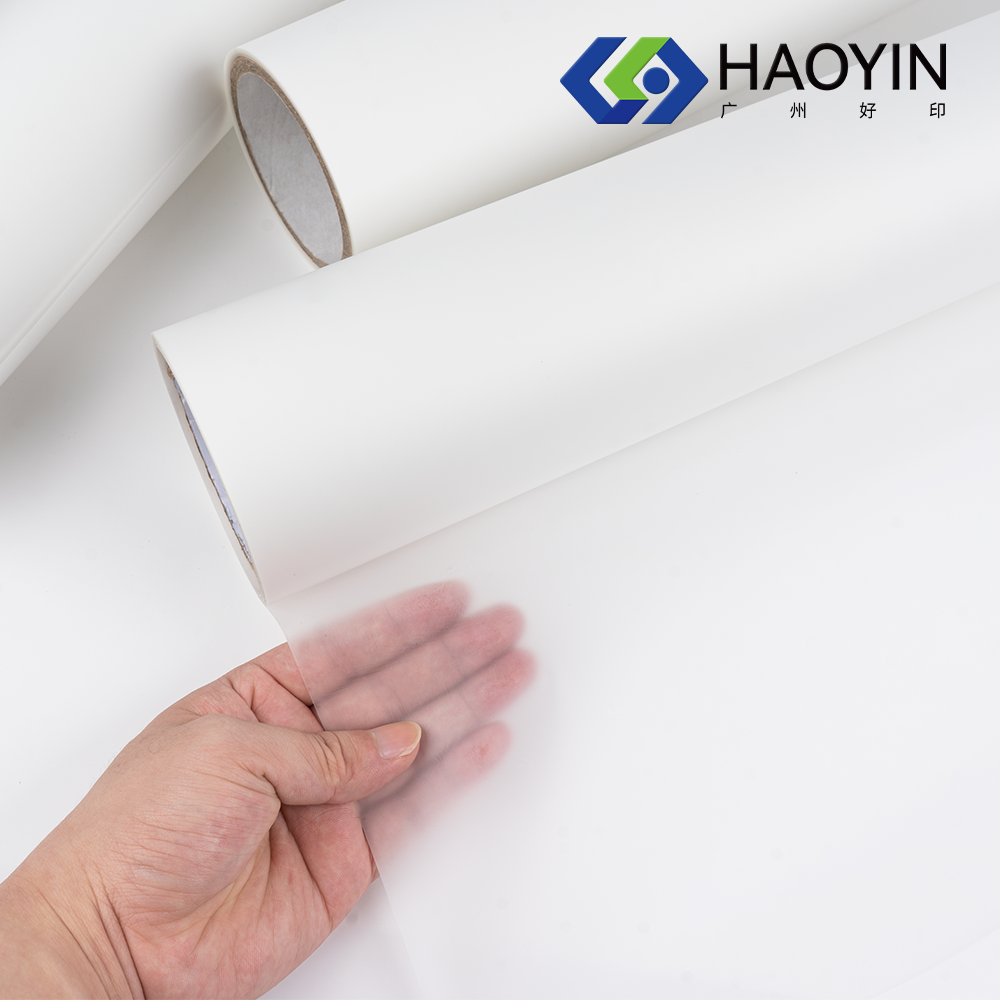
Direct-to-film printing has revolutionized the textile industry by offering superior color reproduction, durability, and versatility compared to traditional printing methods. However, the success of your DTF printing operation heavily depends on selecting the appropriate dtf film for your specific business requirements. Understanding the critical factors that influence film performance can significantly impact your production efficiency, print quality, and ultimately your bottom line.
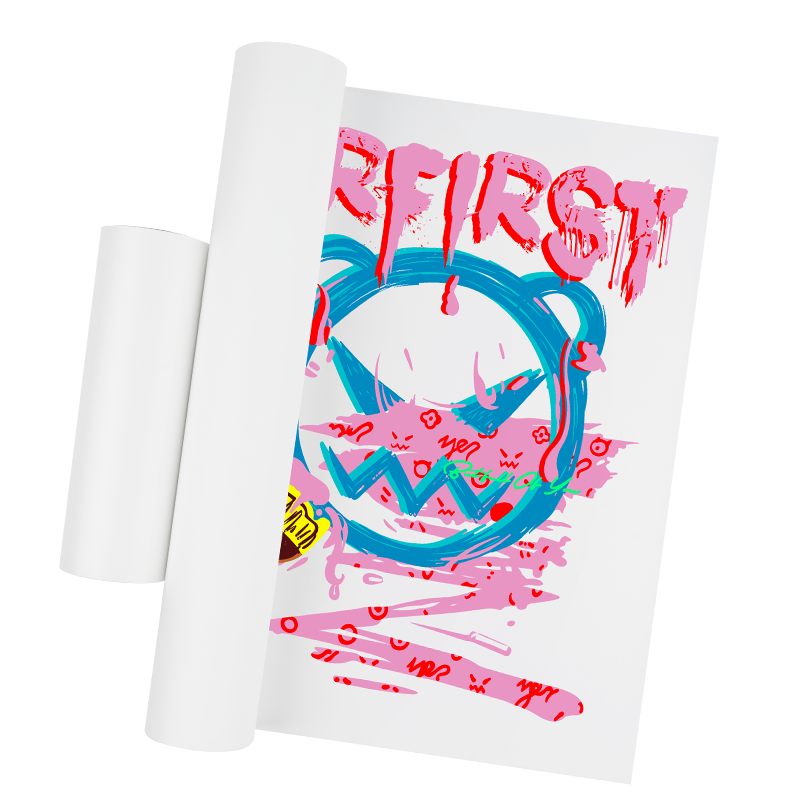
The DTF printing process involves several stages where film quality plays a crucial role. From initial ink adhesion to the final transfer onto fabric, every step requires careful consideration of film characteristics. Modern printing businesses face increasing demands for faster turnaround times, consistent quality, and cost-effective solutions. Choosing the wrong film type can result in production delays, customer dissatisfaction, and increased operational costs that directly affect profitability.
Understanding DTF Film Specifications
Film Thickness and Durability
The thickness of dtf film typically ranges from 75 to 100 microns, with each thickness serving different purposes in commercial printing operations. Thicker films generally provide better dimensional stability during the printing process, reducing the likelihood of stretching or tearing under tension. This characteristic becomes particularly important when running high-volume production batches where consistent performance is essential for maintaining quality standards.
Durability factors extend beyond thickness to include tear resistance, heat tolerance, and chemical compatibility with various ink formulations. Premium films incorporate specialized coatings that enhance adhesion properties while maintaining flexibility during the transfer process. These advanced formulations help prevent common issues such as ink bleeding, color shifting, or premature film degradation that can compromise print quality.
Surface Treatment and Coating Properties
Surface treatment technology significantly influences how effectively inks bond with the film substrate. Advanced coating formulations create microscopic anchor points that improve ink adhesion while facilitating clean release during the transfer process. The balance between adhesion and release properties determines the overall success rate of your printing operations.
Different coating types are optimized for specific ink systems, including water-based, solvent-based, and UV-curable formulations. Understanding the compatibility between your chosen ink system and dtf film coating ensures optimal print quality and reduces waste from failed transfers. This compatibility also affects curing times, which directly impacts production throughput and energy consumption.
Production Volume Considerations
Roll Width and Format Options
Roll width selection directly correlates with your printing equipment capabilities and typical job requirements. Standard widths range from 30cm to 60cm, with wider formats offering greater flexibility for large-format applications and gang printing multiple designs simultaneously. However, wider rolls require more sophisticated handling equipment and may increase waste if your typical jobs don't utilize the full width effectively.
The relationship between roll width and production efficiency involves several factors including setup time, material utilization rates, and storage requirements. Businesses focusing on small promotional items might benefit from narrower rolls that reduce material costs, while those handling apparel production may require wider formats to accommodate various garment sizes efficiently.
Inventory Management and Storage Requirements
DTF film storage conditions significantly impact performance characteristics and shelf life. Environmental factors such as temperature, humidity, and light exposure can degrade film properties over time, leading to adhesion problems and print quality issues. Establishing proper storage protocols ensures consistent performance throughout the film's lifecycle.
Inventory turnover considerations help determine optimal order quantities and storage capacity requirements. Films with longer shelf stability allow for bulk purchasing advantages, while those with shorter lifespans require more frequent ordering and careful stock rotation. Balancing these factors helps optimize cash flow while maintaining production continuity.
Quality Assessment Parameters
Color Reproduction and Density Capabilities
Color accuracy and vibrancy depend heavily on the film's ability to accept and hold ink without compromising saturation levels. High-quality dtf film maintains color integrity throughout the transfer process, ensuring that final prints match original design specifications. This consistency becomes critical when handling brand-sensitive applications where color matching requirements are stringent.
Density capabilities determine the film's ability to reproduce fine details and smooth gradients without banding or streaking artifacts. Films with superior surface uniformity provide better halftone reproduction and minimize visible grain patterns that can detract from professional-quality results. Testing different film grades with your specific ink and printer combination helps identify optimal settings for maximum quality output.
Transfer Efficiency and Release Properties
Transfer efficiency measures how completely the printed image releases from the film during the heat pressing process. Poor release properties can result in incomplete transfers, ghosting effects, or film residue remaining on the final product. Premium films incorporate release agents that facilitate clean separation while maintaining image integrity.
Temperature and pressure requirements vary between different film formulations, affecting equipment settings and processing times. Films designed for lower temperature operation reduce energy consumption and enable transfer onto heat-sensitive substrates. Understanding these parameters helps optimize your heat press settings for consistent results across different job types.
Cost Analysis and Return on Investment
Initial Purchase Price vs Long-term Value
While premium dtf film commands higher initial costs, the long-term value proposition often justifies the investment through reduced waste, improved productivity, and enhanced customer satisfaction. Lower-grade films may seem economical initially but can generate hidden costs through increased rejection rates, equipment maintenance, and reprinting requirements.
Calculating true cost per successful print provides a more accurate comparison between different film options. This analysis should include material costs, production time, energy consumption, and waste disposal expenses. Premium films often deliver lower cost per print despite higher unit prices due to improved efficiency and reduced failure rates.
Scalability for Business Growth
Film selection should align with your business growth projections and expansion plans. Choosing films that perform well across multiple applications provides flexibility as your service offerings evolve. This versatility reduces inventory complexity and simplifies staff training requirements while maintaining consistent quality standards.
Supplier relationships and availability considerations become increasingly important as production volumes grow. Establishing partnerships with reliable suppliers ensures consistent film quality and delivery schedules that support business continuity. Long-term contracts may provide cost advantages while guaranteeing supply security during peak demand periods.
Technical Compatibility Requirements
Printer and Ink System Integration
Different printer manufacturers optimize their systems for specific film characteristics, making compatibility verification essential before making large purchases. Factors such as feed mechanism design, heating elements, and print head technology all influence film performance. Consulting with equipment manufacturers helps identify recommended film specifications for optimal results.
Ink system chemistry plays a crucial role in determining which dtf film formulations will provide the best results. Water-based inks typically require different film coatings compared to solvent-based systems. Understanding these chemical interactions prevents compatibility issues that could result in poor adhesion, color bleeding, or premature failure during the transfer process.
Environmental and Safety Considerations
Environmental regulations and workplace safety requirements may influence film selection, particularly regarding volatile organic compound emissions and disposal procedures. Films manufactured with eco-friendly materials and processes help businesses meet sustainability goals while reducing environmental impact.
Safety data sheets provide important information about handling requirements, storage conditions, and disposal procedures for different film types. Understanding these requirements helps establish proper workplace protocols and ensures compliance with occupational health and safety regulations.
FAQ
What factors determine the optimal dtf film thickness for my application
Film thickness selection depends on your specific printing requirements, equipment capabilities, and target applications. Thicker films generally provide better dimensional stability and durability but may require higher transfer temperatures. For most commercial applications, 75-85 micron films offer an optimal balance of performance and cost-effectiveness, while specialized applications may benefit from thicker variants.
How does storage environment affect dtf film performance
Storage conditions significantly impact film shelf life and performance characteristics. Films should be stored in cool, dry environments away from direct sunlight, with temperature ranges between 15-25°C and relative humidity below 60%. Proper storage prevents coating degradation, dimensional changes, and adhesion problems that can compromise print quality.
Can I use the same dtf film for different ink types
While some films offer broad compatibility across multiple ink systems, optimal results typically require matching film formulations to specific ink chemistries. Water-based, solvent-based, and UV-curable inks each have different adhesion requirements and curing characteristics. Consulting with film manufacturers about ink compatibility helps ensure optimal performance and prevents costly printing failures.
What quality control tests should I perform when evaluating new dtf films
Comprehensive film evaluation should include adhesion testing, color reproduction assessment, transfer efficiency measurement, and durability analysis. Print test patterns with varying densities, colors, and fine details to evaluate overall performance. Wash testing and abrasion resistance testing help determine long-term durability for end-use applications. Document results to establish baseline performance standards for future film purchases.