 EN
EN




Heat transfer vinyl has revolutionized the world of custom apparel and crafting, offering endless possibilities for creative expression. From professional screen printing businesses to home crafting enthusiasts, understanding the various types of HTV available can significantly impact project outcomes. Each vinyl type brings unique characteristics, application methods, and visual effects that cater to different creative needs and commercial requirements.
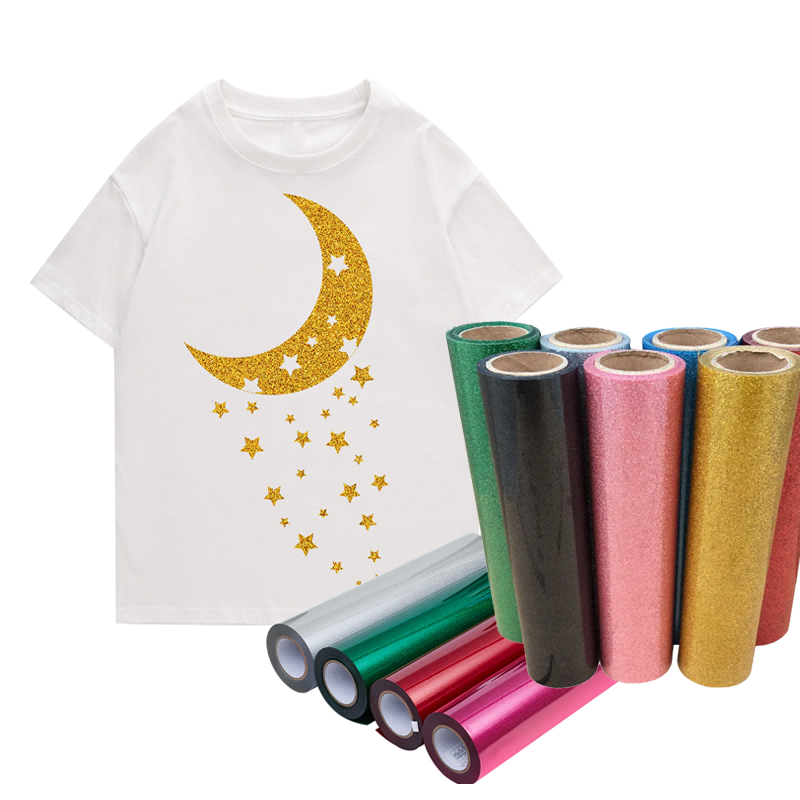
Understanding Glitter Heat Transfer Vinyl
Composition and Structure
Glitter heat transfer vinyl consists of a polyurethane base embedded with fine glitter particles that create a sparkling, eye-catching finish. The construction typically involves multiple layers including an adhesive backing, the glitter-infused vinyl layer, and a protective carrier sheet. This multi-layer approach ensures durability while maintaining the vibrant sparkle effect that makes glitter HTV so popular for special occasion garments and promotional items.
The glitter particles are carefully sized and distributed to provide consistent coverage without compromising the vinyl's flexibility. High-quality glitter HTV maintains its sparkle even after multiple wash cycles, making it suitable for both one-time event items and frequently worn garments. The polyurethane base provides excellent stretch and recovery properties, allowing the material to move naturally with fabric without cracking or peeling.
Application Techniques and Best Practices
Successfully applying glitter HTV requires specific temperature and pressure settings that differ from standard vinyl types. Most glitter varieties require temperatures between 305-315°F with medium to firm pressure for 10-15 seconds. The key to achieving professional results lies in understanding that glitter HTV often needs a longer cooling period before removing the carrier sheet, as the glitter particles require additional time to properly bond with the base material.
Pre-pressing the garment for 2-3 seconds helps remove moisture and wrinkles that could interfere with adhesion. When working with glitter HTV, using a Teflon sheet or parchment paper protects both the heat press and the vinyl surface. The weeding process requires patience and sharp tools, as the glitter texture can make it challenging to distinguish between areas to remove and areas to keep.
Exploring Flock Heat Transfer Vinyl Characteristics
Texture and Visual Appeal
Flock HTV creates a soft, velvety texture that adds dimensional interest to designs while providing a luxurious feel. The material consists of short fibers electrostatically applied to an adhesive backing, creating a raised surface that resembles suede or velvet. This unique texture makes flock HTV particularly popular for premium apparel lines, sports team uniforms, and high-end promotional products where tactile quality matters as much as visual impact.
The fiber construction of flock HTV allows for excellent color saturation and depth, with colors appearing richer and more vibrant than flat vinyl alternatives. The material naturally diffuses light, creating subtle color variations that add sophistication to any design. Flock HTV works exceptionally well for lettering and simple graphics where the textural contrast enhances readability and visual interest.
Durability and Maintenance Considerations
While flock HTV offers superior aesthetic appeal, it requires specific care to maintain its appearance over time. The raised fiber surface can trap lint and debris, making proper washing techniques essential for longevity. Cold water washing with gentle detergents helps preserve the fiber structure, while avoiding fabric softeners prevents the fibers from matting down. Air drying or low-heat tumble drying protects the delicate fiber construction from heat damage.
Professional applications often incorporate flock HTV into garments with specific care instructions, ensuring end users understand the maintenance requirements. The material's durability makes it suitable for items that will see moderate use, though high-abrasion applications may cause premature fiber wear. Understanding these limitations helps designers choose appropriate applications where flock HTV can perform optimally throughout the garment's lifecycle.
Metallic Heat Transfer Vinyl Properties
Finish Options and Visual Impact
Metallic HTV provides mirror-like finishes that create stunning visual effects under various lighting conditions. Available in gold, silver, copper, and specialty colors, metallic vinyl offers both traditional and contemporary aesthetic options. The material's reflective properties make it particularly effective for stage costumes, dance wear, and promotional items where visibility and impact are priorities.
The manufacturing process involves applying metallic foil layers to a carrier base, creating depth and brilliance that standard colored vinyl cannot achieve. Different metallic finishes offer varying degrees of reflectivity, from subtle satin effects to high-gloss mirror finishes. This variety allows designers to match metallic elements with overall design themes while maintaining professional appearance standards.
Application Challenges and Solutions
Metallic HTV often requires adjusted application parameters compared to standard vinyl types. Lower temperatures, typically 275-290°F, prevent the metallic layer from dulling or discoloring during application. The material's construction makes it more sensitive to pressure variations, requiring consistent, even pressure distribution across the entire design area.
Weeding metallic HTV demands extra care, as the material can tear more easily than standard vinyl types. Using sharp weeding tools and working slowly helps prevent accidental damage to intricate design elements. The carrier sheet removal process often benefits from a warm peel technique, where the sheet is removed while the material is still warm from pressing.
Specialty HTV Types and Applications
Reflective Heat Transfer Vinyl Features
Reflective HTV incorporates retroreflective properties that make designs highly visible in low-light conditions, making it essential for safety applications and outdoor gear. The material contains microscopic glass beads or prismatic structures that reflect light back to its source, creating bright visibility when illuminated by headlights or flashlights. This technology makes reflective htv invaluable for emergency responder uniforms, cycling apparel, and children's clothing where safety visibility is paramount.
The reflective properties remain effective across a wide range of viewing angles, ensuring visibility from multiple directions. Modern reflective HTV maintains flexibility and washability while providing consistent retroreflective performance throughout the garment's lifecycle. The material typically appears silver or white under normal lighting conditions but produces brilliant illumination when exposed to direct light sources.
Glow-in-the-Dark and Color-Changing Varieties
Photoluminescent HTV absorbs light energy during exposure to ambient or artificial lighting, then releases this energy as visible light in dark conditions. This technology creates engaging effects for novelty items, children's clothing, and entertainment applications. The charging and discharge cycles can be repeated indefinitely, though the intensity and duration of the glow effect diminish gradually over time.
Thermochromic HTV changes color in response to temperature variations, creating interactive designs that respond to body heat or environmental conditions. These specialty materials open creative possibilities for unique promotional items and novelty apparel. The color-changing effects typically activate within specific temperature ranges, requiring consideration of intended use environments to ensure optimal performance.
Holographic and Prismatic Effects
Optical Properties and Visual Impact
Holographic HTV creates rainbow-like color shifts and prismatic effects that change appearance based on viewing angle and lighting conditions. The material's construction incorporates microscopic patterns that diffract light, producing spectacular visual effects that capture attention in retail and entertainment applications. These optical properties make holographic vinyl particularly effective for brand elements that need to stand out in competitive environments.
The prismatic effects work across the entire visible spectrum, creating dynamic color displays that shift from blue and purple to green, yellow, and red as viewing angles change. This technology allows designers to create single-color applications that appear multi-colored, reducing material costs while maximizing visual impact. The effects remain stable across normal wearing and washing conditions, maintaining their optical properties throughout the garment's useful life.
Design Considerations and Applications
Holographic HTV works best with simple, bold designs that allow the optical effects to be clearly visible. Complex patterns or fine details can become lost in the prismatic display, reducing overall impact. The material's reflective nature makes it less suitable for applications requiring easy readability, as text can become difficult to read under certain lighting conditions.
Concert merchandise, dance costumes, and promotional items benefit significantly from holographic HTV's attention-grabbing properties. The material's ability to create premium appearance effects at reasonable costs makes it popular for limited-edition items and special collections. Understanding the viewing environment helps designers optimize holographic elements for maximum impact in their intended applications.
Patterned and Textured HTV Options
Carbon Fiber and Wood Grain Patterns
Patterned HTV incorporates printed designs that simulate various textures and materials, including carbon fiber, wood grain, animal prints, and geometric patterns. These materials allow designers to achieve sophisticated appearance effects without the complexity and cost of actual textured materials. Carbon fiber patterns have become particularly popular in automotive and sports applications where high-tech aesthetics are desired.
The printing technology used in patterned HTV provides excellent detail reproduction and color accuracy, ensuring that simulated textures appear realistic under normal viewing conditions. Wood grain patterns offer natural appearance options for outdoor and rustic-themed applications, while geometric patterns provide contemporary design elements. The variety of available patterns continues expanding as printing technologies advance and market demand grows.
Specialty Texture Applications
Textured HTV varieties incorporate physical texture elements that add tactile interest to designs. Cracked leather effects, canvas textures, and embossed patterns provide dimensional qualities that enhance visual appeal while adding functional benefits like improved grip or reduced glare. These materials bridge the gap between flat vinyl applications and more complex decoration methods.
Athletic wear applications benefit from textured HTV that provides moisture management properties while maintaining aesthetic appeal. The physical texture can help with airflow and moisture wicking, making these materials functional as well as decorative. Understanding how texture affects garment performance helps designers choose appropriate materials for specific end-use requirements.
Application Temperature and Technique Guidelines
Temperature Control for Different HTV Types
Each HTV variety requires specific temperature ranges for optimal adhesion and appearance. Standard PVC vinyl typically applies at 305-320°F, while specialty materials may require significantly different settings. Polyurethane-based materials often need lower temperatures around 275-295°F to prevent material degradation. Understanding these requirements prevents application failures and ensures consistent results across different projects.
Temperature variations can dramatically affect final appearance and durability. Excessive heat can cause color shifts in metallic materials, while insufficient heat results in poor adhesion and premature failure. Using calibrated thermometers and regularly checking heat press accuracy helps maintain consistent application conditions. Different fabric types also influence optimal temperature settings, requiring adjustments based on substrate characteristics.
Pressure and Time Optimization
Pressure requirements vary significantly among HTV types, with some materials requiring firm pressure while others need only light contact. Glitter and textured materials often need higher pressure to ensure complete contact between all surface elements and the substrate. Delicate materials like thin metallics may require reduced pressure to prevent surface damage or distortion.
Application time affects both adhesion quality and material appearance. Longer dwell times can improve bond strength but may also cause thermal damage to heat-sensitive materials. Finding the optimal combination of temperature, pressure, and time for each material type ensures consistent professional results. Documenting successful parameter combinations helps maintain quality control across production runs.
FAQ
What makes reflective HTV different from regular metallic vinyl
Reflective HTV contains specialized retroreflective elements like glass beads or prismatic films that reflect light back to its source, creating bright visibility in low-light conditions. Regular metallic vinyl simply provides decorative shine and color but does not offer safety visibility benefits. Reflective materials are specifically engineered for visibility applications and maintain their retroreflective properties through washing and normal wear.
Can different types of HTV be layered together in one design
Yes, different HTV types can be layered, but success depends on matching application requirements and understanding material compatibility. Materials with similar temperature and pressure requirements work best together. When layering, apply the base layer first, then add subsequent layers using appropriate settings for each material. Some combinations may require modified application parameters to accommodate both materials simultaneously.
How do I choose the right HTV type for my specific project needs
Consider the intended use environment, durability requirements, aesthetic goals, and budget constraints when selecting HTV types. Safety applications require reflective materials, while fashion items might benefit from glitter or metallic options. Evaluate washing frequency, wear conditions, and expected lifespan to ensure material selection matches performance requirements. Testing small samples helps verify compatibility with specific fabrics and application methods.
What are the storage requirements for different HTV materials
Most HTV materials should be stored in cool, dry environments away from direct sunlight to prevent adhesive degradation and material changes. Specialty materials like holographic and metallic types are particularly sensitive to temperature extremes and humidity. Store rolls flat or properly supported to prevent creasing, and keep materials in original packaging until use. Proper storage significantly extends shelf life and ensures consistent application performance.