 EN
EN



Heat transfer vinyl has revolutionized the way crafters, businesses, and designers create custom apparel and accessories. With numerous types available in today's market, selecting the right vinyl for your specific project can significantly impact both the quality and longevity of your finished product. Understanding the unique characteristics, applications, and performance features of different vinyl types will help you make informed decisions that align with your creative vision and practical requirements.
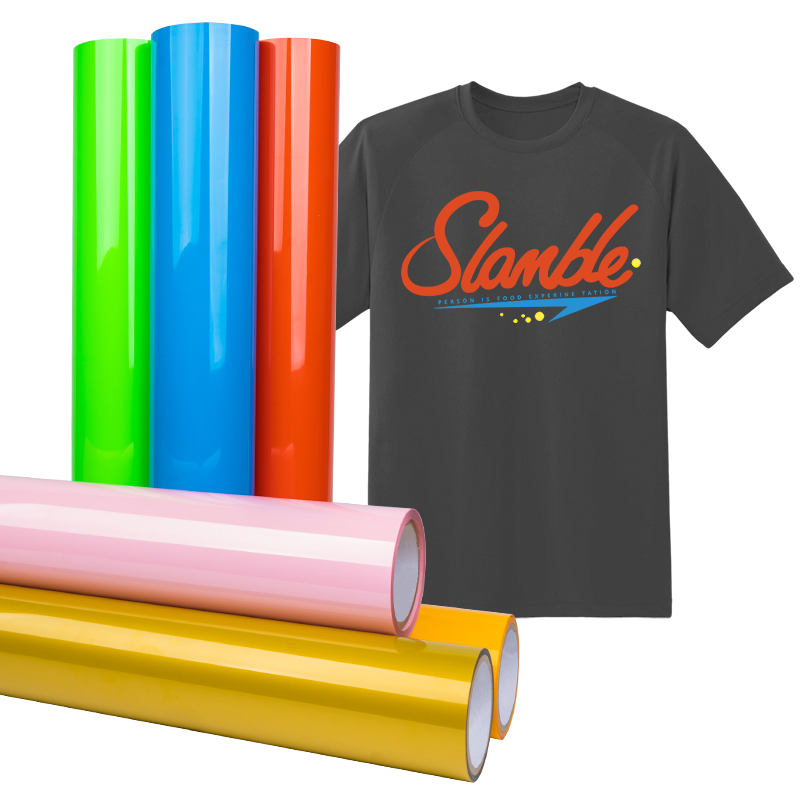
The vinyl industry offers an extensive range of options, from basic solid colors to specialty materials with unique properties. Each type serves different purposes and performs differently under various conditions. Whether you're creating safety gear, fashion statements, or promotional items, the vinyl selection process requires careful consideration of factors such as durability, application temperature, fabric compatibility, and intended use environment.
Modern heat transfer vinyl technology has advanced considerably, providing options that cater to both professional production environments and hobbyist crafting spaces. The key to successful vinyl application lies not only in proper technique but also in choosing materials that match your project's specific demands and performance expectations.
Standard Heat Transfer Vinyl Types
Solid Color Vinyl Characteristics
Solid color heat transfer vinyl represents the foundation of most vinyl collections and serves as the go-to choice for straightforward designs. These materials typically feature a polyurethane composition that provides excellent adhesion to cotton, polyester, and cotton-polyester blends. The application process involves moderate heat settings, usually between 300-320°F, with pressure applied for 10-15 seconds depending on the specific brand and fabric type.
The durability of solid color vinyl makes it suitable for everyday garments that require regular washing and wearing. Most quality solid vinyl can withstand 50+ wash cycles when properly applied, maintaining color vibrancy and adhesion integrity. The material thickness typically ranges from 80-120 microns, providing a balance between flexibility and durability that works well for most textile applications.
Color selection in solid vinyl categories spans the entire spectrum, from basic primary colors to sophisticated metallics and neons. This variety allows creators to match brand colors, create gradient effects through layering, or develop complex multi-color designs that require precise color coordination across different vinyl types.
Glitter and Metallic Options
Glitter heat transfer vinyl adds dimensional texture and visual appeal to designs through embedded reflective particles that create sparkle effects under various lighting conditions. The construction involves a carrier film that holds glitter particles in a durable adhesive matrix, ensuring particle retention even after repeated washing and wearing cycles.
Metallic vinyl varieties offer mirror-like finishes that create bold, eye-catching effects without the texture associated with glitter options. These materials often require slightly higher application temperatures and longer press times to achieve optimal adhesion. The metallic surface can be sensitive to excessive heat, making temperature control crucial for preventing damage during application.
Both glitter and metallic vinyl types work exceptionally well for special event apparel, team uniforms, and decorative applications where visual impact takes priority. However, these materials may have slightly reduced washability compared to solid colors, typically maintaining quality through 30-40 wash cycles under proper care conditions.
Specialty Vinyl Applications
Glow-in-the-Dark Properties
Glow-in-the-dark heat transfer vinyl incorporates phosphorescent compounds that absorb light energy and release it slowly in dark conditions. This technology creates practical applications for safety clothing, children's apparel, and novelty items that require visibility in low-light environments. The charging process requires exposure to light sources, with LED and fluorescent lighting providing optimal energy absorption.
The glow intensity and duration depend on the quality of phosphorescent materials used in the vinyl composition. Premium glow vinyl can maintain visible luminescence for 8-12 hours after a full charge cycle, while standard grades may provide 2-4 hours of effective glow time. The material typically appears white or pale green in daylight conditions, transforming to bright green luminescence in darkness.
Application techniques for glow-in-the-dark vinyl follow standard heat transfer procedures, though some manufacturers recommend slightly lower temperatures to preserve the phosphorescent compounds. The material works best on dark-colored fabrics where the contrast enhances the glow effect visibility.
Performance and Athletic Wear
Athletic and performance vinyl types address the specific challenges associated with moisture-wicking fabrics, stretch materials, and high-activity applications. These materials feature enhanced flexibility and moisture resistance that maintains adhesion even under demanding physical conditions. The vinyl composition often includes specialized polymers that move with fabric stretch without cracking or peeling.
Temperature considerations for performance vinyl application may differ from standard materials, with some types requiring lower heat settings to prevent damage to technical fabrics. The pressing time may also need adjustment to accommodate fabric thickness and composition variations commonly found in athletic wear.
Washability becomes particularly important for athletic applications, where frequent laundering and exposure to detergents, fabric softeners, and high-temperature drying may occur. Quality performance vinyl maintains adhesion and appearance through 75+ wash cycles, making it suitable for team uniforms and commercial athletic wear production.
Safety and Visibility Vinyl
Reflective Material Benefits
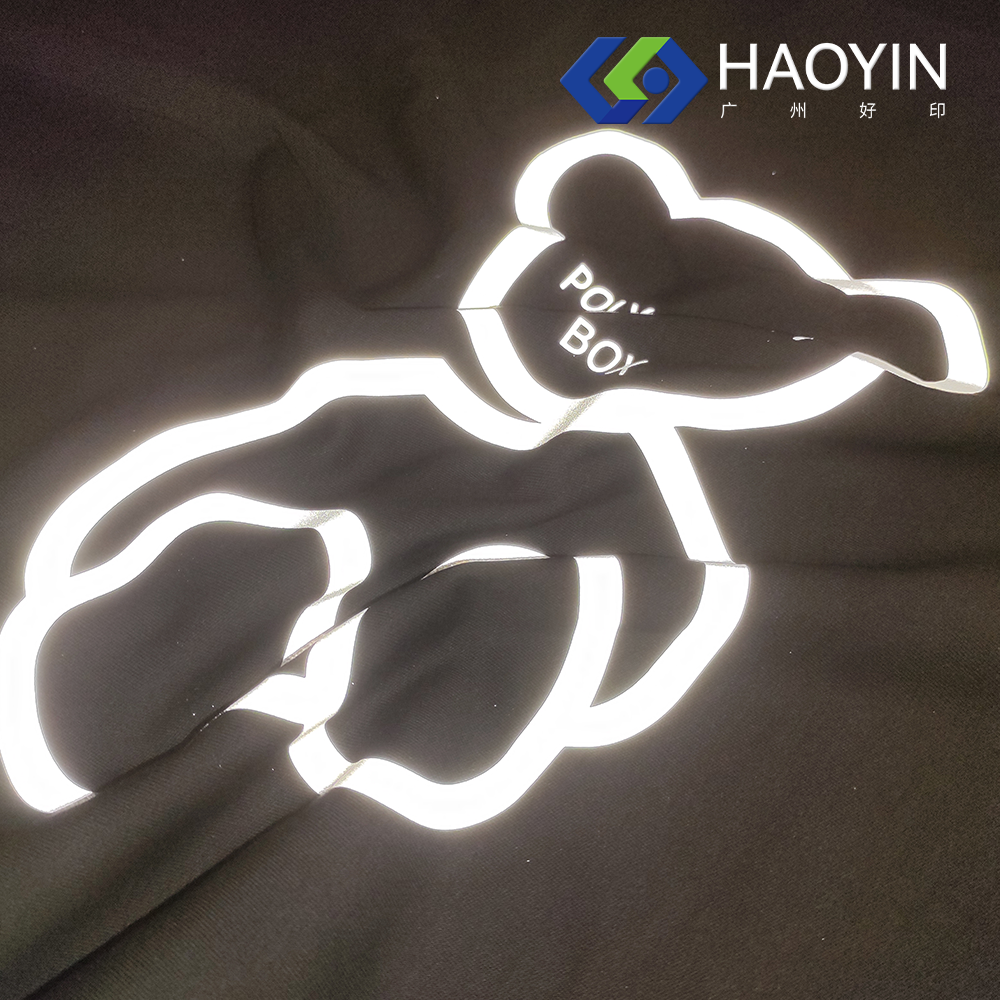
Safety applications often require specialized vinyl materials designed to enhance visibility in various lighting conditions. Reflective htv incorporates retroreflective technology that bounces light directly back to its source, creating bright illumination when exposed to headlights, flashlights, or other directed light sources. This property makes reflective materials essential for safety clothing, emergency services uniforms, and outdoor activity gear.
The construction of reflective htv involves microscopic glass beads or prismatic materials embedded in the vinyl surface. These elements create the retroreflective effect by capturing incident light and redirecting it along its original path. The effectiveness of this technology depends on the angle of light incidence and the quality of reflective materials used in the vinyl construction.
Reflective htv applications extend beyond safety clothing to include recreational uses such as running gear, cycling apparel, and pet accessories. The material maintains its reflective properties through multiple washing cycles, though care instructions typically recommend gentle wash cycles and air drying to maximize longevity.
High-Visibility Standards
Professional safety applications must meet specific visibility standards established by organizations such as ANSI and EN. These standards define minimum reflective surface area, placement requirements, and performance specifications for different risk categories. Understanding these requirements helps ensure that reflective htv applications provide adequate protection for their intended use.
The color selection for high-visibility applications typically focuses on fluorescent options such as safety orange, lime yellow, and bright yellow-green. These colors provide enhanced visibility during daylight hours, while reflective elements handle low-light conditions. Combining fluorescent colors with reflective htv creates comprehensive visibility solutions for 24-hour protection.
Application techniques for safety vinyl may require specific heat and pressure settings to ensure proper adhesion without compromising reflective properties. Some reflective materials are sensitive to excessive heat, making temperature control and timing critical for successful application.
Fabric Compatibility Considerations
Natural Fiber Applications
Cotton and other natural fibers generally provide excellent compatibility with most heat transfer vinyl types due to their ability to withstand higher application temperatures and their stable dimensional properties. The natural fiber structure allows for good mechanical bonding between the vinyl adhesive and fabric surface, creating durable connections that resist peeling and lifting.
Pre-treatment considerations for natural fibers include ensuring the fabric is clean, dry, and free from fabric softeners or sizing agents that might interfere with adhesion. Cotton fabrics with high thread counts typically provide better vinyl adhesion than loose weaves, as the smooth surface offers more contact area for the adhesive bond.
Temperature tolerance of natural fibers allows for optimal heat transfer vinyl application using standard recommended settings. The heat capacity of cotton and similar materials ensures even temperature distribution during pressing, reducing the risk of hot spots that might cause vinyl damage or poor adhesion.
Synthetic Material Challenges
Polyester and synthetic fabric blends present unique challenges for heat transfer vinyl application due to their lower melting points and potential for heat-related damage. These materials often require reduced application temperatures and modified pressing techniques to prevent fabric distortion or vinyl adhesion problems.
Moisture-wicking synthetic fabrics may have surface treatments that interfere with vinyl adhesion, requiring special preparation or vinyl types specifically formulated for technical textiles. The chemical composition of synthetic fibers can also affect long-term adhesion, particularly when exposed to washing cycles that include fabric softeners or high-temperature drying.
Stretch characteristics of synthetic materials demand vinyl types with enhanced flexibility to prevent cracking or delamination during fabric movement. Performance vinyl formulations address these requirements through specialized polymer compositions that maintain adhesion even under repeated stretching cycles.
Application Techniques and Best Practices
Temperature and Pressure Guidelines
Successful heat transfer vinyl application depends on precise control of temperature, pressure, and timing variables. Different vinyl types require specific parameter adjustments to achieve optimal results, with deviations potentially causing adhesion failures, vinyl damage, or fabric problems. Digital heat presses with accurate temperature control provide the most consistent results for professional applications.
Pressure distribution across the vinyl surface ensures uniform adhesion and prevents air bubbles or incomplete bonding. Even pressure requires proper heat press calibration and selection of appropriate pressing surfaces that accommodate fabric thickness and texture variations. Teflon sheets or parchment paper protect both vinyl and equipment while facilitating smooth application processes.
Timing considerations vary significantly among vinyl types, with some materials requiring multiple press cycles or specific cooling procedures. Following manufacturer guidelines for each vinyl type prevents application errors that might compromise durability or appearance quality.
Cutting and Weeding Processes
Precision cutting forms the foundation of professional vinyl application results. Blade depth, cutting speed, and material settings must align with specific vinyl characteristics to achieve clean edges without drag marks or incomplete cuts. Regular blade maintenance and proper material loading prevent cutting problems that affect final quality.
Weeding techniques remove excess vinyl material while preserving design integrity and detail elements. Different vinyl types exhibit varying weeding characteristics, with some materials lifting easily while others require careful technique to prevent tearing or stretching. Appropriate weeding tools and proper lighting facilitate accurate excess removal.
Transfer tape selection and application affect the final positioning and alignment of vinyl designs. The adhesive strength of transfer materials must balance holding power with release characteristics, ensuring designs transfer completely without leaving residue or causing vinyl damage during removal.
Durability and Care Instructions
Washing and Maintenance
Proper care extends the life of heat transfer vinyl applications and maintains appearance quality over time. Washing temperature recommendations typically specify cold or warm water to prevent adhesive softening that might cause edge lifting or complete delamination. Gentle wash cycles reduce mechanical stress on vinyl edges and prevent fabric abrasion that might damage the vinyl surface.
Detergent selection affects vinyl longevity, with mild formulations providing better results than harsh chemicals or bleaching agents. Fabric softeners may interfere with vinyl adhesion over time, making their avoidance particularly important for maintaining long-term durability. Special care instructions may apply to reflective htv and other specialty materials with unique chemical sensitivities.
Drying procedures significantly impact vinyl lifespan, with air drying generally providing better results than high-temperature machine drying. When machine drying becomes necessary, low heat settings and removal while slightly damp help prevent overheating that might cause vinyl shrinkage or adhesive failure.
Storage and Handling
Proper storage conditions maintain vinyl quality and extend shelf life for both unused materials and finished products. Temperature and humidity control prevent adhesive degradation and vinyl distortion that might affect application success or finished product appearance. Storage areas should avoid direct sunlight exposure that might cause color fading or material breakdown.
Handling procedures for finished vinyl products include folding considerations and storage methods that prevent cracking or creasing. Garments with large vinyl areas may require special hanging or flat storage to maintain design integrity over extended periods.
Inventory management for vinyl supplies includes rotation procedures that ensure older materials are used before newer stock, preventing waste from expired adhesives or degraded materials. Proper labeling and date tracking facilitate efficient inventory use and quality control.
FAQ
What temperature should I use for different vinyl types?
Temperature requirements vary significantly among vinyl types, with standard solid colors typically requiring 300-320°F, while specialty materials like reflective htv may need lower temperatures around 280-300°F to prevent damage. Always consult manufacturer specifications for your specific vinyl brand and type, as formulations can vary between suppliers. Synthetic fabrics may require temperature reductions of 20-40°F compared to cotton applications.
How long will heat transfer vinyl last on clothing?
Quality heat transfer vinyl can last 50+ wash cycles when properly applied and cared for, with some premium materials maintaining integrity through 75-100 cycles. Durability depends on factors including vinyl quality, application technique, fabric type, and care procedures. Specialty vinyls like glitter or metallic types may have shorter lifespans of 30-40 cycles, while performance vinyls designed for athletic wear often exceed standard durability expectations.
Can I layer different types of vinyl together?
Layering different vinyl types is possible but requires careful consideration of application temperatures, adhesive compatibility, and thickness buildup. Use the lowest temperature requirement among all vinyl types being layered, and apply in order from lowest to highest temperature needs. Thick layering may affect fabric drape and washing durability, so test combinations before committing to large projects.
Why is my vinyl not sticking properly to the fabric?
Poor vinyl adhesion typically results from inadequate temperature, insufficient pressure, incorrect timing, or fabric preparation issues. Ensure your heat press reaches the correct temperature, apply firm even pressure, and follow recommended timing guidelines. Check that fabric is clean and free from softeners, sizing, or moisture that might interfere with bonding. Some synthetic fabrics may require special vinyl formulations for optimal adhesion.