 EN
EN


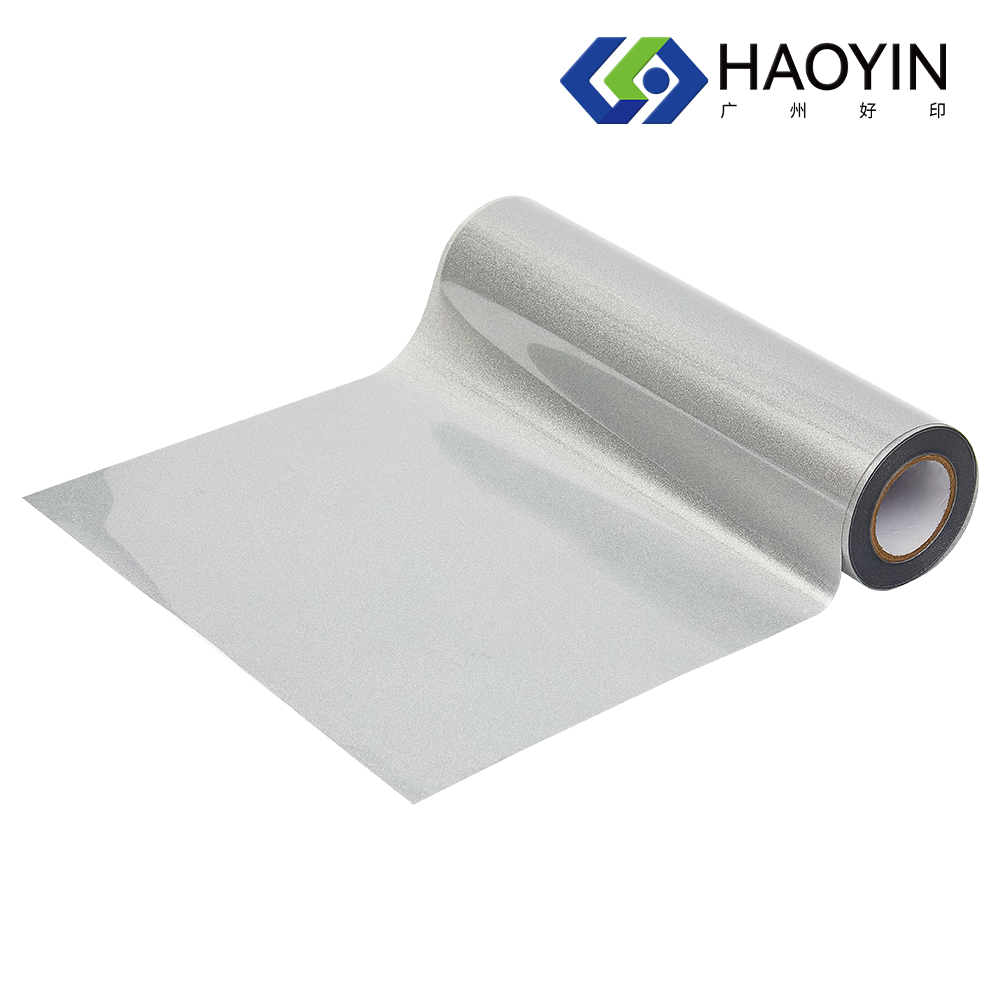
Print sharpness when using pvc htv represents one of the most critical quality factors that determine the success of heat transfer vinyl projects. Professional designers and crafters consistently seek methods to achieve crisp, clean lines and precise detail reproduction when working with polyvinyl chloride heat transfer materials. The clarity and definition of transferred designs depend on multiple interconnected variables that range from material characteristics to application techniques. Understanding these fundamental elements enables users to optimize their workflow and consistently produce professional-grade results that meet commercial standards.
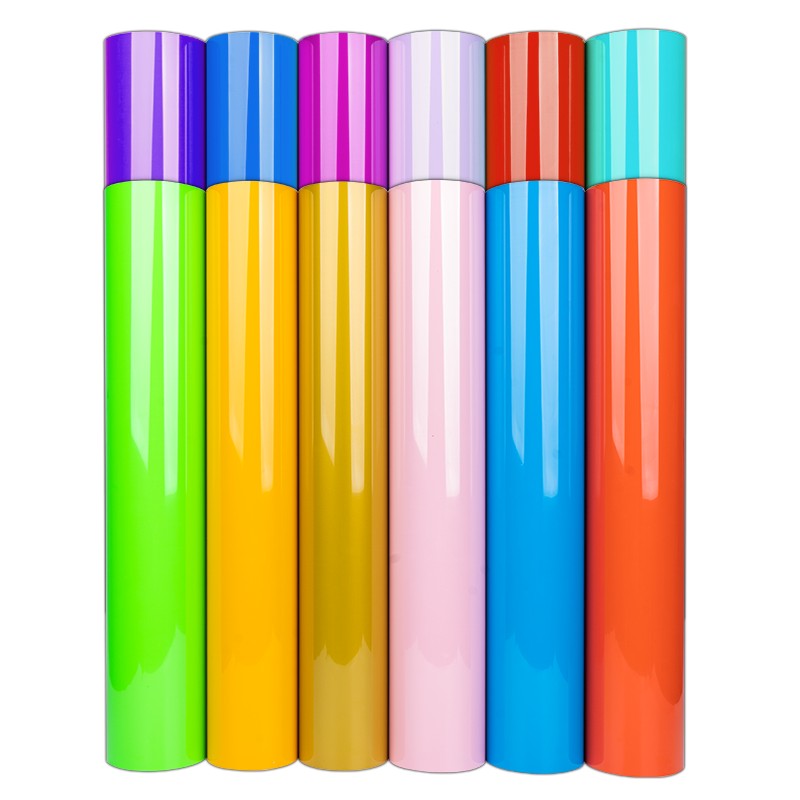
Material Properties and Quality Standards
Vinyl Thickness and Density Considerations
The thickness of pvc htv directly impacts the sharpness of final designs, with optimal results typically achieved using materials between 80 to 120 microns. Thinner vinyl allows for finer detail reproduction and cleaner edge definition, while thicker materials may create slightly raised edges that can affect visual clarity. Premium grade materials maintain consistent thickness across the entire roll, preventing variations that could result in uneven heat distribution and compromised transfer quality. Manufacturing standards also influence the density uniformity, which affects how cleanly the material cuts and how precisely it adheres to fabric surfaces.
Quality control during production ensures that the vinyl maintains stable dimensional properties under heat application. Higher-grade pvc htv incorporates specialized formulations that minimize shrinkage and expansion during the transfer process, preserving the original design dimensions and preventing distortion. The molecular structure of premium materials provides superior edge retention, allowing intricate details and fine text to maintain their intended appearance throughout the application process.
Adhesive Layer Performance
The adhesive coating on pvc htv plays a crucial role in achieving sharp, well-defined transfers that adhere uniformly to target substrates. Advanced adhesive formulations provide optimal flow characteristics during heat activation while maintaining sufficient viscosity to prevent bleeding beyond design boundaries. The thickness and consistency of the adhesive layer directly influence how cleanly the vinyl separates from its carrier sheet and how precisely it bonds to fabric fibers.
Premium adhesive systems activate at specific temperature ranges and maintain their bonding properties without excessive flow that could blur design edges. The chemical composition of the adhesive affects curing time and final bond strength, with properly formulated systems providing immediate tack that secures the vinyl in position while allowing sufficient working time for repositioning if necessary.
Cutting Precision and Blade Technology
Blade Selection and Maintenance
Sharp, properly maintained cutting blades represent the foundation of achieving precise design edges when working with pvc htv materials. Different blade types serve specific purposes, with 45-degree blades providing optimal results for most standard designs and 60-degree blades offering superior performance for intricate details and small text. Regular blade replacement prevents dragging and tearing that can create rough edges and compromise the overall sharpness of cut elements.
Blade depth adjustment requires careful calibration to ensure complete cutting through the vinyl layer without penetrating the carrier sheet excessively. Proper depth settings allow for clean separation during weeding while maintaining the integrity of fine design elements. Advanced cutting systems incorporate automatic blade depth sensors that adjust cutting parameters based on material thickness and density readings.
Cutting Speed and Pressure Optimization
The relationship between cutting speed and applied pressure significantly affects the quality of cut edges in pvc htv applications. Slower cutting speeds generally produce cleaner edges by allowing the blade sufficient time to penetrate the material completely without creating heat buildup that could deform vinyl edges. However, excessively slow speeds may cause blade dragging that results in rough or torn edges along design boundaries.
Pressure calibration must account for material thickness and hardness variations to ensure consistent cutting depth throughout the design. Modern cutting machines offer pressure sensing technology that automatically adjusts applied force based on material resistance, maintaining optimal cutting conditions throughout the entire design. This technology prevents overcutting that can damage carrier sheets and undercutting that leaves incomplete separation along design edges.
Design Preparation and Software Settings
Vector Quality and Resolution Requirements
High-resolution vector graphics provide the foundation for sharp pvc htv transfers by maintaining clean mathematical curves and precise corner definitions at any scale. Vector-based designs eliminate pixelation issues that can occur with raster images, ensuring that curved elements and text characters maintain smooth edges throughout the cutting and transfer process. Proper node placement and curve optimization within design software prevent unnecessary complexity that could challenge cutting precision.
Design software settings must accommodate the specific capabilities and limitations of both the cutting equipment and the vinyl material being used. Contour accuracy settings determine how closely the cutting path follows design edges, with higher accuracy producing more precise results but potentially increasing cutting time. Advanced software packages offer material-specific profiles that automatically optimize cutting parameters for different pvc htv formulations and thicknesses.
Kerf Compensation and Edge Treatment
Kerf compensation accounts for the width of material removed by the cutting blade, ensuring that final design dimensions match intended specifications. This adjustment becomes particularly important for precise fitting applications and designs with tight tolerances where dimensional accuracy directly affects visual quality. Proper kerf settings prevent gaps in joined elements and ensure that text characters maintain their intended proportions and spacing.
Edge treatment algorithms within design software can enhance the sharpness of cut elements by optimizing cutting paths and corner handling. These features reduce corner rounding and improve the precision of sharp angles and points within complex designs. Advanced edge treatment options include corner compensation and overcut settings that ensure complete separation of design elements during the weeding process.
Heat Press Settings and Application Techniques
Temperature Control and Uniformity
Precise temperature control during the heat transfer process ensures optimal adhesive activation without causing vinyl degradation that could affect design sharpness. Most pvc htv materials require temperatures between 300-320°F, with variations depending on specific formulations and substrate types. Temperature uniformity across the entire heat press platen prevents uneven adhesion that could result in lifted edges or incomplete bonding in certain areas of the design.
Heat press calibration should be verified regularly using infrared thermometers or thermal imaging to ensure actual platen temperatures match displayed settings. Temperature variations exceeding 10-15 degrees can significantly impact transfer quality, particularly for designs with fine details or thin elements. Professional-grade heat presses incorporate advanced heating elements and temperature sensors that maintain consistent conditions throughout the pressing cycle.
Pressure Distribution and Timing
Uniform pressure distribution ensures complete contact between the pvc htv and substrate surface, promoting consistent adhesion across all design elements. Inadequate pressure can result in incomplete bonding that affects the durability and appearance of transferred designs, while excessive pressure may cause vinyl distortion or unwanted adhesive flow. Professional heat presses offer adjustable pressure settings that accommodate different substrate thicknesses and vinyl formulations.
Pressing time requirements vary based on material thickness, substrate type, and desired bond strength, typically ranging from 10-20 seconds for most pvc htv applications. Longer pressing times may be necessary for thick substrates or when working with heat-sensitive materials that require lower temperatures. Timing consistency ensures repeatable results and prevents undercuring or overcuring that could compromise transfer quality.
Substrate Preparation and Compatibility
Fabric Selection and Preparation
The choice of fabric substrate significantly influences the final sharpness and appearance of pvc htv transfers, with smooth, tightly woven materials typically providing superior results compared to textured or loose-weave fabrics. Cotton and cotton-polyester blends offer excellent compatibility with most vinyl formulations and provide stable dimensional properties during heat application. Fabric preparation includes pre-pressing to remove moisture and wrinkles that could interfere with uniform adhesion.
Surface texture affects how cleanly vinyl edges adhere to the substrate, with smoother surfaces allowing for more precise edge definition and better overall sharpness. Heavily textured fabrics may require modified application techniques or specialized vinyl formulations to achieve acceptable results. Pre-treatment with fabric stabilizers can improve the compatibility of challenging substrates with pvc htv materials.
Moisture Control and Environmental Factors
Moisture content in both the vinyl and substrate materials can significantly impact transfer quality and final design sharpness. Excess humidity can interfere with adhesive activation and create steam during the pressing process that may cause bubbling or incomplete bonding. Environmental controls in the workspace help maintain consistent conditions that promote optimal pvc htv performance and repeatability.
Temperature and humidity stabilization before beginning transfer operations ensures that materials reach equilibrium conditions that promote consistent results. Proper storage of vinyl materials prevents moisture absorption that could affect cutting precision and adhesive performance. Climate-controlled environments provide the most reliable conditions for professional-quality transfers.
Weeding Techniques and Tools
Tool Selection and Blade Geometry
Specialized weeding tools designed specifically for pvc htv removal provide superior control and precision compared to generic craft knives or improvised implements. Different blade geometries serve specific purposes, with fine-pointed tools excelling at removing small interior elements and broader blades offering efficiency for large area removal. Hook-style weeding tools help lift vinyl edges without damaging surrounding material or creating tears along design boundaries.
Tool maintenance includes regular cleaning to prevent adhesive buildup that could drag vinyl during removal operations. Sharp, clean tools create precise separation along cut lines and minimize the risk of accidental damage to design elements. Professional weeding kits include multiple tool types that address different aspects of the removal process.
Weeding Strategy and Technique
Systematic weeding approaches minimize the risk of accidental removal or damage to design elements while ensuring complete removal of excess pvc htv material. Starting with larger areas and progressing to smaller details allows for easier identification and removal of unwanted material. Proper lighting and magnification help identify fine details that require careful attention during the weeding process.
Weeding direction and angle affect the ease of material removal and the cleanliness of final edges. Working along the natural grain of the cut and maintaining consistent angles prevents tearing and ensures smooth separation. Advanced techniques include using transfer tape as a weeding aid for complex designs with multiple small elements.
FAQ
What blade type produces the sharpest cuts in pvc htv materials
A 45-degree blade with a sharp, clean edge typically produces the sharpest cuts for most pvc htv applications. The blade should be replaced regularly to maintain cutting precision, as dull blades can drag and tear the material rather than making clean cuts. For extremely fine details or small text, a 60-degree blade may provide better results due to its sharper point and ability to navigate tight curves more precisely.
How does heat press temperature affect the sharpness of transferred designs
Temperature directly impacts adhesive flow and vinyl stability during transfer, with optimal temperatures between 300-320°F providing the best balance of adhesion and edge definition. Too low temperatures result in incomplete bonding and poor adhesion, while excessive heat can cause vinyl distortion or adhesive bleeding that compromises edge sharpness. Consistent temperature control across the entire press surface ensures uniform results throughout the design.
Why do some areas of my pvc htv design appear less sharp than others
Uneven sharpness typically results from inconsistent cutting depth, variable heat press pressure, or substrate irregularities that prevent uniform contact during transfer. Blade depth should be calibrated to cut completely through the vinyl without excessive penetration of the carrier sheet. Heat press pressure and substrate preparation must ensure complete contact across all areas of the design for consistent adhesion and appearance.
What role does design software play in achieving sharp pvc htv results
Design software settings significantly influence cutting precision and final transfer quality through vector optimization, cutting path generation, and material-specific parameter adjustment. High-resolution vector graphics provide the mathematical precision necessary for clean cuts, while proper software settings ensure that cutting equipment operates at optimal parameters for the specific pvc htv material being used. Advanced software features like kerf compensation and corner optimization further enhance the sharpness of cut edges.