 EN
EN


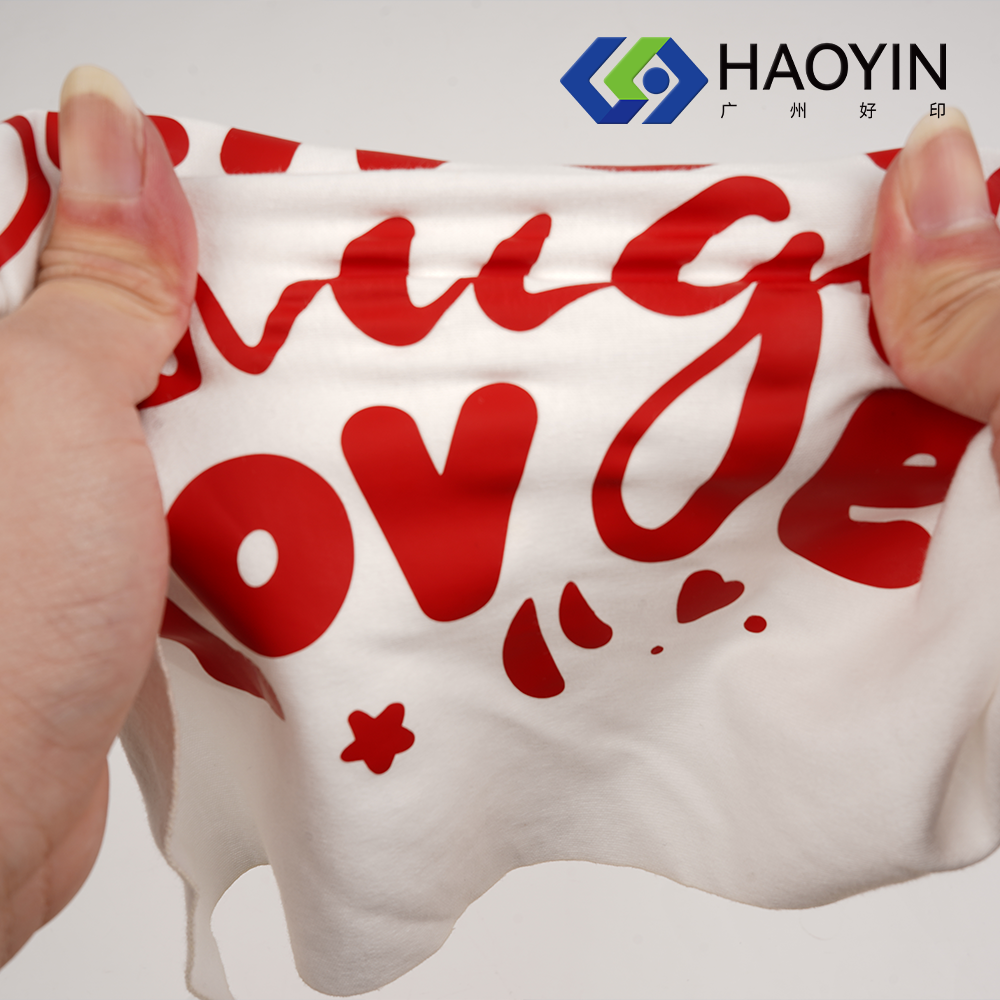
The flexibility of graphics on stretch-fit apparel has become a critical factor in modern textile printing and customization. When it comes to maintaining elasticity while ensuring vibrant, durable designs, pu htv stands out as the superior solution for professional applications. This innovative material addresses the fundamental challenge of preserving both visual appeal and functional stretch properties that active wear and fitted garments demand.
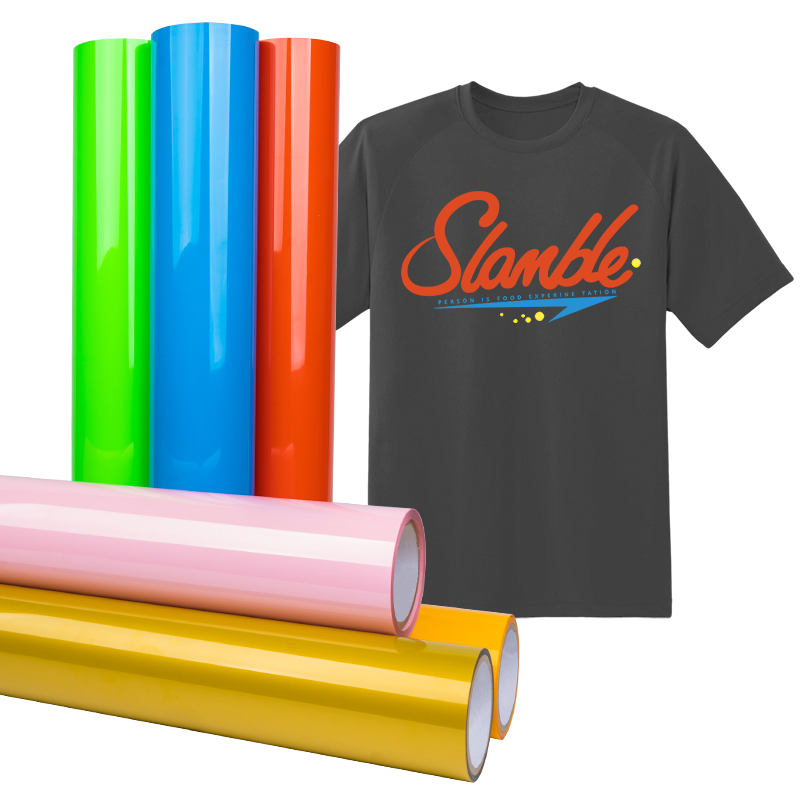
Professional garment decorators and manufacturers have long struggled with the balance between design durability and fabric flexibility. Traditional heat transfer materials often crack, peel, or lose adhesion when applied to stretch fabrics. The emergence of pu htv technology has revolutionized this industry segment by offering a solution that maintains both aesthetic quality and mechanical properties under repeated stretching cycles.
Understanding the science behind flexible heat transfer applications requires examining the molecular structure and adhesion properties that make pu htv uniquely suited for stretch-fit garments. The polyurethane base provides inherent elasticity while specialized adhesive systems ensure long-term bonding with various fabric types. This combination delivers professional results that meet the demanding requirements of athletic wear, fashion garments, and technical textiles.
Material Science Behind Flexible Heat Transfer Vinyl
Polyurethane Base Construction
The foundation of effective pu htv lies in its polyurethane polymer matrix, which provides exceptional elasticity and recovery properties. Unlike traditional PVC-based materials, polyurethane maintains its flexibility across a wide temperature range while resisting degradation from repeated stress cycles. This molecular flexibility translates directly to superior performance on stretch fabrics where conventional materials would fail.
Polyurethane chains within pu htv create a three-dimensional network that can extend and contract without permanent deformation. The cross-linking density is carefully controlled during manufacturing to optimize both stretch capability and dimensional stability. This engineering approach ensures that graphics maintain their original appearance even after thousands of stretch-recovery cycles typical in active wear applications.
Advanced formulations incorporate plasticizers and chain extenders that enhance the natural flexibility of the polyurethane base. These additives work synergistically to maintain softness and pliability while preserving the structural integrity necessary for long-term adhesion. The result is a pu htv material that feels natural on fabric and moves seamlessly with garment stretch.
Adhesive System Engineering
The adhesive layer in high-quality pu htv represents a sophisticated balance of initial tack, heat activation, and long-term bonding strength. Pressure-sensitive adhesives are formulated to penetrate fabric fibers during the heat application process, creating mechanical interlocking alongside chemical bonding. This dual-action approach ensures reliable adhesion even under dynamic loading conditions.
Temperature-activated components within the adhesive system undergo specific phase transitions during heat pressing that optimize flow and penetration characteristics. The activation temperature is precisely controlled to ensure complete bonding without thermal damage to sensitive stretch fabrics. This controlled activation process allows pu htv to bond effectively with a wide range of synthetic and natural fiber blends commonly used in stretch garments.
Adhesive flexibility matching is crucial for maintaining bond integrity during fabric deformation. The adhesive system in professional-grade pu htv exhibits viscoelastic properties that allow it to deform with the substrate while maintaining cohesive strength. This prevents the interface failures that commonly occur with rigid adhesive systems on stretch applications.
Application Techniques for Optimal Flexibility
Heat Press Settings and Timing
Proper heat press parameters are essential for achieving maximum flexibility and durability with pu htv applications. Temperature settings typically range from 280°F to 320°F depending on the specific product formulation and substrate characteristics. Lower temperatures within this range often provide better flexibility retention by minimizing thermal stress in the polyurethane matrix during application.
Pressure application must be carefully calibrated to ensure complete adhesive activation without over-compression that could reduce stretch properties. Medium pressure settings generally provide optimal results, allowing the pu htv to conform to fabric texture while maintaining its inherent elasticity. Excessive pressure can create stress concentrations that may lead to premature failure under stretch conditions.
Dwell time optimization involves balancing complete adhesive activation with minimal thermal exposure. Most pu htv formulations achieve full bonding within 10-15 seconds at proper temperature settings. Extended heating times can cause molecular degradation in the polyurethane matrix, reducing long-term flexibility and durability. Consistent timing ensures reproducible results across production runs.
Substrate Preparation and Compatibility
Fabric preparation significantly impacts the performance of pu htv on stretch garments. Pre-heating the substrate removes moisture and relaxes fabric tensions, creating optimal conditions for adhesive penetration and bonding. This step is particularly important with synthetic stretch fabrics that may contain processing aids or finishing chemicals that could interfere with adhesion.
Fabric composition analysis helps determine the most suitable pu htv grade and application parameters for specific stretch materials. Spandex content, fiber blend ratios, and fabric construction all influence the optimal approach for maintaining flexibility while ensuring durability. High spandex content fabrics typically require specialized pu htv formulations designed for extreme stretch applications.
Surface energy considerations become critical when working with technical fabrics that may have been treated with moisture-wicking or antimicrobial finishes. These treatments can create low-energy surfaces that challenge adhesive wetting and bonding. Pre-treatment processes or specialized pu htv grades may be necessary to achieve reliable adhesion on such substrates.
Performance Characteristics in Stretch Applications
Elongation and Recovery Properties
The elongation characteristics of pu htv directly determine its suitability for various stretch fabric applications. Quality materials can typically achieve 200-300% elongation without permanent deformation, matching or exceeding the stretch capabilities of most athletic and fashion fabrics. This extensive stretch range ensures that graphics remain intact during normal wear and washing cycles.
Recovery properties describe the ability of pu htv to return to its original dimensions after stretching. Complete recovery is essential for maintaining graphic appearance and preventing the accumulation of stress that could lead to eventual failure. Advanced polyurethane formulations exhibit near-perfect elastic recovery across multiple stretch-recovery cycles, ensuring long-term performance in demanding applications.
Fatigue resistance testing evaluates how pu htv performs under repeated stretching that simulates actual garment use. Laboratory testing protocols typically involve thousands of stretch cycles at predetermined strain levels to assess material durability. High-quality pu htv maintains its flexibility and adhesion properties even after extensive fatigue testing, demonstrating its suitability for professional applications.
Durability and Wash Resistance
Wash durability represents a critical performance parameter for pu htv in stretch garment applications. The combination of mechanical agitation, chemical exposure, and thermal cycling during laundering creates challenging conditions that test both material flexibility and adhesive bonding. Professional-grade pu htv maintains its properties through dozens of commercial wash cycles while preserving graphic appearance and stretch characteristics.
Chemical resistance becomes particularly important in athletic wear applications where perspiration, detergents, and fabric softeners can potentially degrade pu htv performance. The polyurethane base provides inherent resistance to common chemicals encountered in textile care, while specialized additives can enhance protection against specific aggressive substances. This chemical stability ensures consistent flexibility throughout the garment's service life.
Thermal cycling resistance addresses the expansion and contraction stresses that occur during drying cycles. Pu htv must maintain its dimensional stability and bonding integrity across the temperature variations typical in commercial and household drying equipment. Advanced formulations incorporate thermal stabilizers that prevent degradation and maintain flexibility even under elevated temperature conditions.
Design Considerations for Flexible Graphics
Pattern and Layout Optimization
Graphic design optimization for stretch applications requires understanding how pu htv behaves under various deformation modes. Large solid areas may exhibit different stretch characteristics compared to fine details or text elements. Strategic placement of design elements can minimize stress concentrations while maximizing visual impact and maintaining readability during fabric stretch.
Stress distribution analysis helps identify potential failure points in complex graphics applied with pu htv. Sharp corners, thin connecting elements, and high aspect ratio features may experience elevated stress during stretching. Design modifications such as radius corners, reinforcing elements, and strategic segmentation can improve durability without compromising aesthetic appeal.
Multi-layer applications require careful consideration of interface compatibility and stress transfer between layers. When combining different pu htv colors or materials, the stretch characteristics must be matched to prevent delamination or differential deformation. Proper layer sequencing and compatible material selection ensure unified stretch behavior across complex multi-color graphics.
Color and Finish Selection
Color formulation significantly impacts the flexibility characteristics of pu htv materials. Pigment loading, particle size distribution, and colorant chemistry all influence the final stretch properties of the finished product. Lighter colors typically maintain better flexibility due to lower pigment concentrations, while darker colors may require specialized formulations to achieve equivalent performance.
Surface finish options range from matte to high-gloss, each presenting different implications for stretch performance and durability. Matte finishes often provide superior flexibility and hide minor surface imperfections that may develop during stretching. Gloss finishes offer enhanced visual appeal but may show stress-whitening or surface texture changes under extreme deformation conditions.
Special effect finishes such as metallic, reflective, or textured surfaces require careful evaluation for stretch compatibility. These decorative elements may introduce additional stress concentrations or interface challenges that could compromise flexibility. Advanced pu htv formulations designed specifically for special effects applications address these concerns while maintaining the desired aesthetic properties.
Quality Control and Testing Methods
Laboratory Testing Protocols
Standardized testing methods provide quantitative assessment of pu htv flexibility and durability characteristics. Tensile testing measures ultimate elongation, elastic modulus, and failure stress under controlled conditions. These mechanical properties directly correlate with field performance and help predict behavior in actual garment applications where precise material characteristics are critical.
Cyclic testing protocols simulate the repeated stretching encountered during normal garment use. Test specimens undergo thousands of controlled stretch-recovery cycles while monitoring for changes in mechanical properties, appearance, or adhesive bonding. This accelerated testing approach provides rapid assessment of long-term performance without extended real-time evaluation periods.
Adhesion testing evaluates the bonding strength between pu htv and various substrate materials under different stress modes. Peel testing, lap shear testing, and blister testing provide comprehensive evaluation of interface performance under conditions that simulate actual use scenarios. These tests help optimize application parameters and predict field performance reliability.
Production Quality Assurance
Incoming material inspection ensures that pu htv meets specified flexibility and performance criteria before production use. Visual inspection, thickness measurement, and spot testing of mechanical properties help identify potential quality issues early in the process. Consistent raw material quality forms the foundation for reliable finished product performance in stretch applications.
Process monitoring during heat application tracks critical parameters such as temperature uniformity, pressure distribution, and timing accuracy. Statistical process control methods help identify trending issues before they impact product quality. Real-time monitoring systems can provide immediate feedback on process variations that might affect pu htv flexibility or adhesion characteristics.
Final product testing validates that completed garments meet specified stretch and durability requirements. Sample testing from each production run ensures consistent quality and identifies any process variations that might affect performance. This comprehensive quality approach ensures reliable pu htv performance in demanding stretch fabric applications.
Industry Applications and Market Trends
Athletic and Performance Wear
The athletic wear market represents the largest application segment for flexible pu htv materials due to the demanding performance requirements of sports and fitness garments. Professional teams, athletic organizations, and fitness brands rely on pu htv for custom numbers, logos, and decorative elements that must maintain appearance and functionality through intense physical activity and frequent laundering cycles.
Performance requirements in athletic applications often exceed those found in fashion or casual wear. Extreme stretch levels, moisture exposure, temperature variations, and mechanical stress create challenging conditions that test the limits of pu htv capabilities. Advanced formulations specifically designed for athletic wear address these demands while maintaining the comfort and breathability that active consumers expect.
Emerging applications in smart textiles and wearable technology present new opportunities for pu htv in athletic wear. Integration with conductive elements, sensors, and flexible electronics requires specialized pu htv formulations that maintain electrical properties alongside mechanical flexibility. These advanced applications represent the cutting edge of stretch-compatible heat transfer technology.
Fashion and Retail Markets
Fashion applications drive innovation in pu htv aesthetics and special effects while maintaining essential stretch compatibility. Designer garments, retail brands, and custom fashion applications require materials that deliver both visual impact and functional performance. The ability to combine multiple colors, textures, and finishes while preserving stretch properties enables creative applications previously impossible with rigid materials.
Fast fashion trends demand rapid turnaround capabilities that make pu htv an attractive alternative to traditional embroidery or screen printing for stretch garments. Short production runs, frequent design changes, and quick market response all favor heat transfer applications that can be implemented efficiently without extensive setup requirements. This flexibility advantage continues to drive market adoption across fashion segments.
Sustainable fashion initiatives increasingly favor pu htv applications due to reduced waste generation and energy consumption compared to alternative decoration methods. The ability to apply precise amounts of material without excess waste aligns with environmental goals while delivering superior performance on stretch fabrics. This sustainability advantage supports continued growth in environmentally conscious market segments.
FAQ
What makes pu htv more flexible than traditional heat transfer materials
The superior flexibility of pu htv stems from its polyurethane base material, which provides inherent elasticity at the molecular level. Unlike PVC-based materials that become rigid and crack under stress, polyurethane maintains its flexible properties across a wide range of temperatures and deformation levels. The specialized adhesive systems used with pu htv also contribute to overall flexibility by allowing movement at the fabric interface without bond failure.
How many wash cycles can pu htv withstand on stretch fabrics
High-quality pu htv can typically withstand 50-100 commercial wash cycles while maintaining both flexibility and appearance on stretch fabrics. The exact durability depends on factors such as wash temperature, detergent type, mechanical agitation level, and the specific fabric substrate. Proper application techniques and compatible material selection can significantly extend wash durability in demanding applications.
What temperature settings work best for applying pu htv to stretch fabrics
Optimal temperature settings for pu htv on stretch fabrics typically range from 280°F to 320°F, with most applications achieving best results around 300°F. Lower temperatures within this range often preserve better long-term flexibility by minimizing thermal stress during application. The exact temperature should be adjusted based on the specific pu htv formulation and substrate characteristics to ensure proper bonding without compromising stretch properties.
Can pu htv be applied to fabrics with high spandex content
Yes, specialized pu htv formulations are specifically designed for high spandex content fabrics that may contain 15-20% or more elastane fibers. These advanced materials feature enhanced elongation capabilities and modified adhesive systems that accommodate the extreme stretch characteristics of high-performance athletic and compression garments. Proper material selection and application techniques are essential for achieving reliable results on these challenging substrates.