 EN
EN


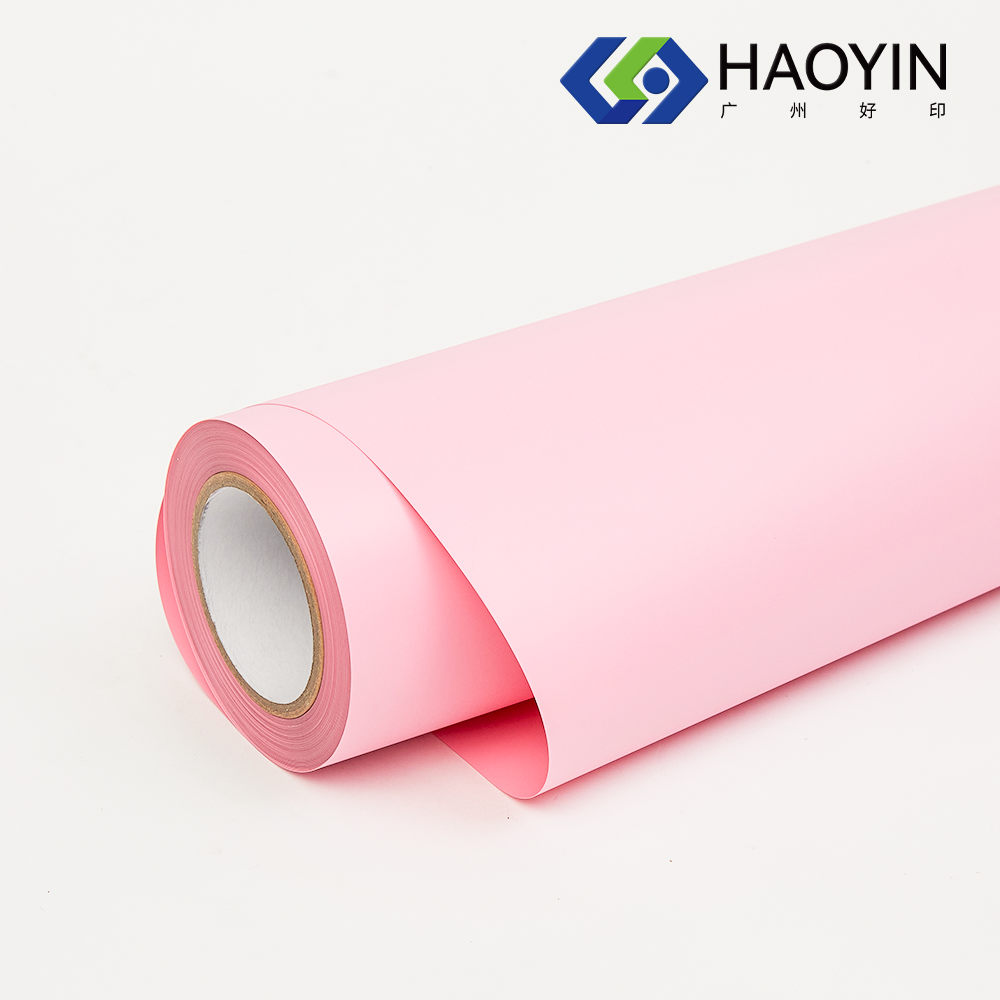
In today's competitive printing industry, maintaining consistent quality output regardless of environmental conditions has become a critical challenge for businesses worldwide. Humid environments pose particular difficulties for direct-to-film printing operations, where traditional films often fail to deliver reliable results. The emergence of moisture-proof DTF printing film represents a revolutionary advancement that addresses these concerns while ensuring superior performance across diverse climatic conditions. This specialized film technology incorporates advanced polymer compositions and protective coatings designed to resist moisture absorption and maintain dimensional stability even in high-humidity environments.
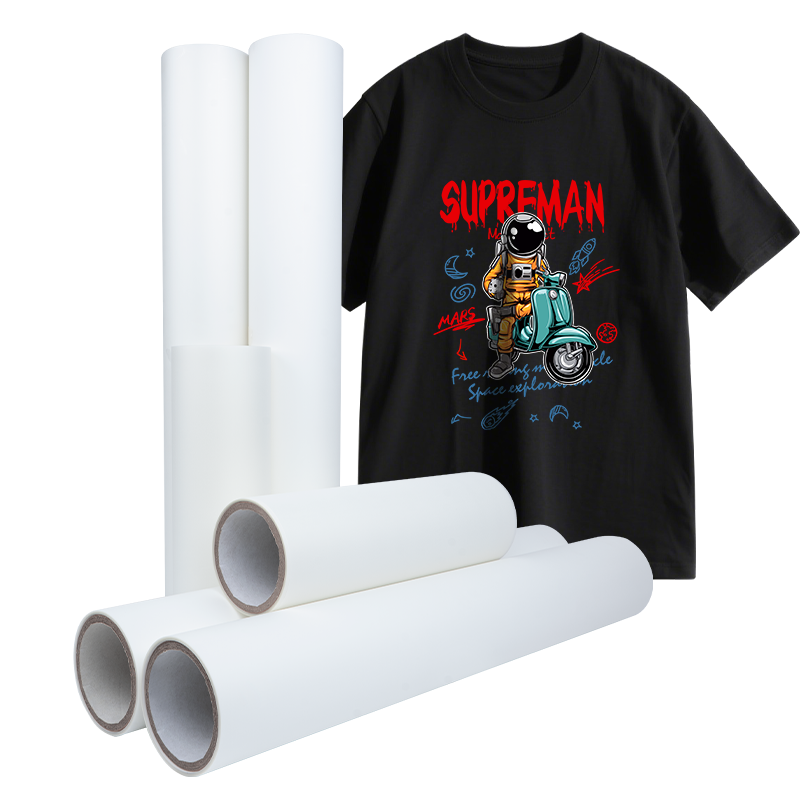
Professional printing operations require materials that consistently perform under varying environmental conditions, and moisture-proof DTF printing film delivers exceptional results where conventional films fall short. The unique formulation of these films prevents water vapor penetration while maintaining excellent ink adhesion properties, ensuring that printed designs remain vibrant and durable throughout the transfer process. Manufacturing facilities located in coastal regions, tropical climates, or areas with seasonal humidity variations particularly benefit from implementing moisture-resistant film solutions in their production workflows.
Advanced Material Composition and Engineering
Polymer Matrix Technology
The foundation of effective moisture-proof DTF printing film lies in its sophisticated polymer matrix design, which utilizes multiple layers of specially engineered materials to create an impermeable barrier against environmental moisture. These films incorporate hydrophobic compounds that actively repel water molecules while maintaining flexibility and heat transfer capabilities essential for DTF applications. The polymer chains are cross-linked using advanced chemical processes that create a uniform molecular structure resistant to humidity-induced swelling and dimensional changes. This engineering approach ensures that the film maintains its original properties even when exposed to relative humidity levels exceeding ninety percent for extended periods.
Research and development teams have focused extensively on optimizing the balance between moisture resistance and thermal conductivity, recognizing that effective heat transfer remains crucial for successful DTF printing operations. The resulting polymer formulations demonstrate remarkable stability across temperature ranges typically encountered in commercial printing environments, from ambient conditions to the elevated temperatures required during the transfer process. Quality control testing protocols verify that moisture-proof DTF printing film maintains consistent thickness tolerances and surface characteristics throughout production runs, regardless of atmospheric conditions in the manufacturing facility.
Protective Coating Systems
Beyond the base polymer structure, moisture-proof DTF printing film incorporates multiple protective coating layers that enhance its resistance to environmental factors while optimizing print quality characteristics. These coatings utilize nanotechnology principles to create microscopic barriers that prevent moisture infiltration without compromising the film's ability to accept and hold ink deposits during the printing process. The surface treatments are specifically formulated to maintain optimal ink absorption rates while preventing bleed-through or color migration that commonly occurs with standard films in humid conditions.
The multi-layer coating approach also addresses static electricity concerns that frequently plague printing operations in low-humidity environments, providing consistent performance across the full spectrum of atmospheric conditions. Anti-static properties are integrated directly into the coating formulation rather than applied as separate treatments, ensuring long-lasting effectiveness that doesn't diminish over time or with handling. This comprehensive approach to surface engineering represents a significant advancement over previous film technologies that required separate moisture barriers and anti-static treatments, often resulting in compatibility issues and performance compromises.
Performance Advantages in Humid Environments
Dimensional Stability Characteristics
One of the most significant benefits of moisture-proof DTF printing film becomes apparent in its exceptional dimensional stability when exposed to varying humidity levels throughout the production cycle. Traditional DTF films often experience expansion and contraction as they absorb and release moisture from the surrounding atmosphere, leading to registration problems and quality inconsistencies that can result in costly production delays and material waste. The advanced moisture barrier technology integrated into these specialized films prevents hygroscopic effects that cause dimensional changes, ensuring that printed designs maintain precise alignment and proportions from initial printing through final transfer application.
Comparative testing demonstrates that moisture-proof DTF printing film exhibits less than 0.1% dimensional variation across humidity ranges from 20% to 95% relative humidity, compared to up to 3% variation observed with conventional film materials. This stability translates directly into improved production efficiency and reduced waste, as operators can maintain consistent print settings and transfer parameters without constant adjustments to compensate for material changes. The economic benefits extend beyond material costs to include reduced setup time, fewer rejected prints, and improved overall equipment effectiveness in facilities operating under challenging environmental conditions.
Ink Adhesion and Color Retention
The interaction between moisture and ink systems represents a critical factor in DTF printing quality, where excess humidity can interfere with proper ink curing and adhesion while causing color shifts and bleeding issues. Moisture-proof DTF printing film addresses these challenges through engineered surface properties that maintain optimal ink reception characteristics regardless of ambient humidity levels. The film's surface energy is carefully controlled to promote strong ink adhesion while preventing moisture-induced changes that could affect color accuracy or transfer efficiency.
Extended testing protocols have demonstrated that prints produced on moisture-proof DTF printing film maintain color consistency and vibrancy even after prolonged exposure to humid conditions prior to transfer application. This stability is particularly valuable for operations that must store printed films for extended periods or transport materials between locations with different environmental conditions. The enhanced ink adhesion properties also contribute to improved wash durability and colorfastness in the final transferred products, addressing end-user concerns about print longevity and quality retention through multiple washing cycles.
Application Benefits Across Industry Sectors
Textile and Apparel Manufacturing
The textile and apparel industry has embraced moisture-proof DTF printing film technology as a solution to production challenges encountered in facilities worldwide, particularly those operating in regions with high ambient humidity or significant seasonal variations. Custom apparel manufacturers, promotional product companies, and large-scale textile operations have reported substantial improvements in production consistency and quality control since implementing these advanced film materials. The ability to maintain printing schedules without weather-related delays has proven especially valuable for businesses serving markets with tight delivery requirements and seasonal demand patterns.
Quality assurance protocols in textile manufacturing often require consistent results across batch productions, and moisture-proof DTF printing film enables operators to achieve this consistency even when environmental conditions vary significantly throughout production cycles. The technology has proven particularly beneficial for facilities producing technical textiles and performance apparel, where precise color matching and durability requirements demand the highest levels of process control. Additionally, the improved shelf life and storage stability of printed films allows manufacturers to optimize inventory management and reduce waste associated with degraded materials.
Commercial Printing and Signage
Commercial printing operations serving the signage, promotional products, and custom graphics markets have found moisture-proof DTF printing film invaluable for maintaining service quality and meeting customer expectations across diverse project requirements. The film's stability characteristics enable print shops to accept orders requiring precise color matching and registration accuracy without concern for weather-related quality variations that previously limited production capabilities during certain seasons or in specific geographic regions. This expanded operational capability translates into increased revenue opportunities and improved customer satisfaction ratings.
The durability advantages of moisture-proof DTF printing film extend beyond the production environment to benefit end users who require graphics and signage capable of withstanding outdoor exposure and challenging environmental conditions. Commercial clients increasingly specify moisture-resistant printing materials for applications where longevity and appearance retention are critical success factors, creating market differentiation opportunities for print service providers who invest in advanced film technologies. The enhanced performance characteristics also support premium pricing strategies that improve profit margins while delivering superior value to quality-conscious customers.
Technical Implementation and Best Practices
Equipment Compatibility and Setup
Implementing moisture-proof DTF printing film in existing production workflows requires careful attention to equipment compatibility and process optimization to achieve maximum performance benefits. Most modern DTF printing systems can accommodate these advanced films with minimal adjustments to standard operating procedures, though operators should verify temperature and pressure settings to ensure optimal transfer results. The film's enhanced stability characteristics often allow for more consistent process parameters, reducing the need for frequent calibration adjustments that consume valuable production time.
Printer maintenance schedules may require modification when transitioning to moisture-proof DTF printing film, as the improved dimensional stability and reduced static buildup can extend intervals between cleaning cycles and component replacements. However, operators should monitor print head performance carefully during initial implementation to establish optimal maintenance protocols for their specific equipment and production volumes. The investment in proper setup procedures and staff training typically pays dividends through improved production efficiency and reduced troubleshooting requirements over the long term.
Storage and Handling Protocols
Proper storage and handling procedures maximize the performance advantages inherent in moisture-proof DTF printing film while protecting the investment in premium materials. These films should be stored in their original packaging until use, maintaining the protective environment that preserves their engineered properties. While the moisture-resistant characteristics provide enhanced stability compared to conventional films, following manufacturer guidelines for temperature and humidity control during storage ensures consistent performance and extends material shelf life.
Handling protocols should emphasize contamination prevention and static control measures, even though moisture-proof DTF printing film incorporates anti-static properties that reduce these concerns compared to standard materials. Clean handling surfaces and proper grounding procedures remain important for maintaining print quality and preventing defects that could compromise production efficiency. Training programs for production staff should address the unique characteristics of moisture-proof DTF printing film while emphasizing procedures that optimize its performance advantages throughout the production workflow.
Quality Control and Performance Monitoring
Testing Methodologies and Standards
Establishing comprehensive quality control protocols for moisture-proof DTF printing film requires understanding the specific performance characteristics that differentiate these materials from conventional alternatives. Testing methodologies should evaluate moisture resistance, dimensional stability, ink adhesion, and transfer quality under controlled conditions that simulate actual production environments. Regular sampling and analysis programs help identify potential issues before they impact production quality while providing data to optimize process parameters for maximum efficiency.
Industry standards for DTF film performance continue to evolve as moisture-proof technologies advance, requiring manufacturers and users to stay current with testing protocols and acceptance criteria. Collaborative efforts between film producers, equipment manufacturers, and end users have resulted in standardized test methods that provide reliable indicators of real-world performance across diverse applications and environmental conditions. These standards support quality assurance programs while enabling meaningful comparisons between different moisture-proof DTF printing film products and formulations.
Performance Metrics and Optimization
Measuring the performance impact of moisture-proof DTF printing film implementation requires tracking key metrics that reflect both production efficiency and output quality improvements. Dimensional accuracy measurements, color consistency evaluations, and transfer success rates provide quantitative data for assessing the benefits realized through advanced film technology adoption. Production throughput metrics and waste reduction calculations demonstrate the economic value of investing in premium materials that deliver superior performance reliability.
Continuous improvement programs should incorporate feedback from production operators, quality control personnel, and customer service teams to identify opportunities for further optimization. The enhanced stability characteristics of moisture-proof DTF printing film often reveal process bottlenecks or equipment limitations that were previously masked by material variability issues. Addressing these secondary optimization opportunities can multiply the benefits achieved through advanced film technology implementation while supporting long-term competitive advantages in challenging market environments.
Future Developments and Industry Trends
Emerging Technologies and Innovations
The evolution of moisture-proof DTF printing film technology continues through ongoing research into advanced materials and manufacturing processes that promise even greater performance advantages for demanding applications. Nanotechnology applications are expanding beyond current surface treatments to encompass bulk material properties, potentially enabling ultra-thin films with superior moisture resistance and enhanced thermal properties. Smart materials research explores incorporating responsive characteristics that could automatically adjust film properties based on environmental conditions.
Sustainability considerations are driving development of bio-based polymer alternatives that maintain the performance characteristics of petroleum-derived materials while reducing environmental impact throughout the product lifecycle. These innovations address growing customer demands for environmentally responsible printing solutions without compromising the quality and reliability advantages that make moisture-proof DTF printing film essential for professional applications. Collaboration between material scientists and printing industry professionals continues to identify new opportunities for performance enhancement and cost optimization.
Market Adoption and Industry Impact
Market adoption of moisture-proof DTF printing film technology is accelerating as awareness of its benefits spreads throughout the printing industry and success stories demonstrate tangible returns on investment. Geographic expansion into emerging markets with challenging environmental conditions is creating new growth opportunities while established markets see increasing penetration as operators recognize competitive advantages enabled by superior material performance. Industry associations and trade publications play important roles in disseminating technical information and best practices that support successful implementation programs.
The cumulative impact of widespread moisture-proof DTF printing film adoption extends beyond individual operations to influence industry standards, equipment design, and customer expectations for print quality and reliability. Equipment manufacturers are incorporating features specifically designed to optimize performance with advanced film materials, while ink formulations are being developed to maximize compatibility with moisture-resistant substrates. This collaborative approach to technology advancement ensures that the full potential of moisture-proof DTF printing film innovations benefits the entire printing industry ecosystem.
FAQ
What makes moisture-proof DTF printing film different from standard DTF films
Moisture-proof DTF printing film incorporates advanced polymer compositions and protective coatings specifically engineered to resist moisture absorption and maintain dimensional stability in high-humidity environments. Unlike standard DTF films that can experience swelling, dimensional changes, and quality issues when exposed to moisture, these specialized films maintain consistent performance characteristics across varying humidity levels from 20% to 95% relative humidity, ensuring reliable printing results regardless of environmental conditions.
How does humidity affect standard DTF printing operations
High humidity can cause significant problems in standard DTF printing operations, including dimensional instability of the film substrate, poor ink adhesion, color bleeding, static electricity buildup, and inconsistent transfer results. These issues lead to production delays, increased waste, quality control problems, and higher operational costs. Moisture-proof DTF printing film eliminates these humidity-related challenges by providing a stable platform that maintains consistent properties regardless of atmospheric moisture levels.
Can existing DTF printers work with moisture-proof films
Most modern DTF printing systems are compatible with moisture-proof DTF printing film with minimal adjustments to standard operating procedures. The enhanced stability characteristics of these films often allow for more consistent process parameters and may reduce the need for frequent calibration adjustments. However, operators should verify temperature and pressure settings during initial implementation to ensure optimal results and may need to modify maintenance schedules to take advantage of the improved dimensional stability and reduced static buildup.
What storage conditions are recommended for moisture-proof DTF printing film
Moisture-proof DTF printing film should be stored in original packaging in a clean, dry environment with stable temperature conditions between 60-75°F (15-24°C) and relative humidity below 60% when possible. While these films offer superior moisture resistance compared to standard materials, proper storage protects the engineered surface properties and extends shelf life. Materials should be handled with clean procedures to prevent contamination and stored away from direct sunlight and heat sources that could affect performance characteristics.