 EN
EN


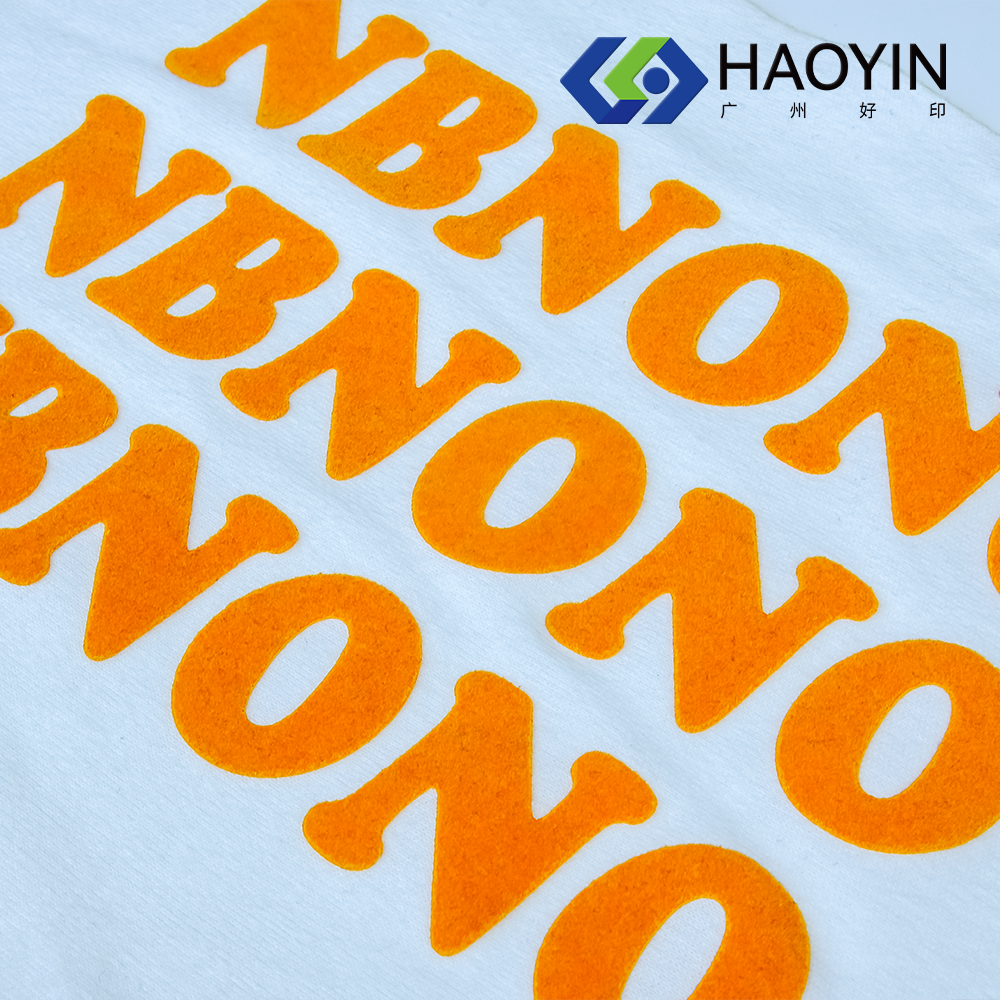
The garment decoration industry has undergone significant transformation with the advent of advanced printing technologies. Among the various materials used for precision printing applications, pet film has emerged as the preferred substrate for achieving exceptional quality results. This synthetic polymer material offers unique properties that make it indispensable for heat transfer applications, vinyl cutting, and other specialized garment decoration processes. Understanding why pet film dominates this market requires examining its technical specifications, manufacturing advantages, and real-world performance benefits.
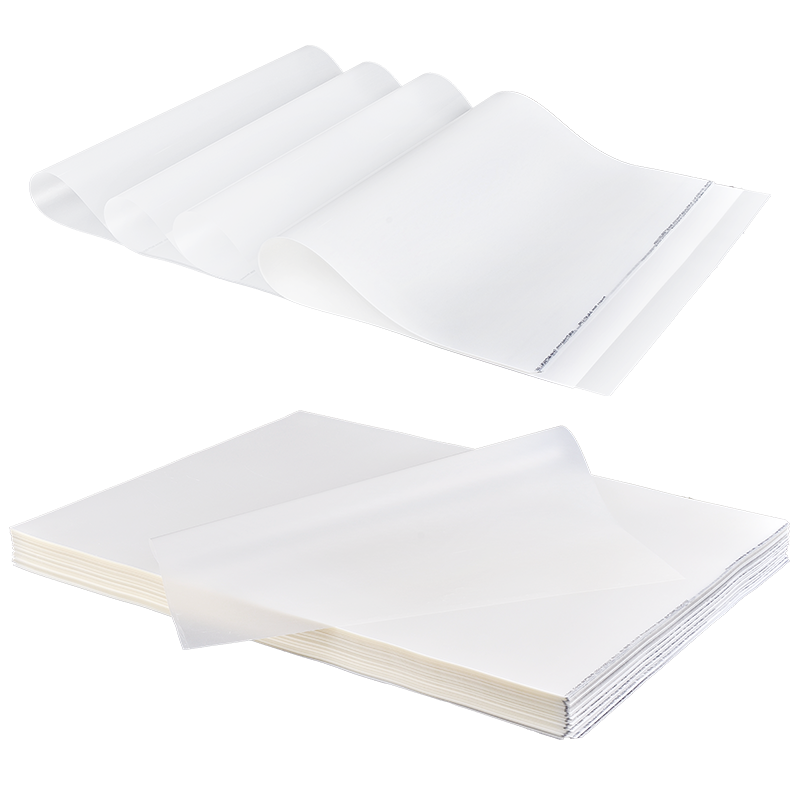
Technical Properties That Define Superior Performance
Heat Resistance and Dimensional Stability
The exceptional thermal properties of pet film make it ideal for high-temperature printing processes commonly used in garment decoration. This material maintains its structural integrity at temperatures exceeding 200°C, ensuring consistent performance during heat press applications. Unlike alternative substrates that may shrink, warp, or degrade under thermal stress, pet film retains its dimensional stability throughout the entire printing cycle. This characteristic is crucial for achieving precise registration and preventing distortion in multi-color designs.
Manufacturing facilities benefit from the predictable behavior of pet film during various thermal processes. The material's low coefficient of thermal expansion means that intricate designs maintain their proportions and alignment even under extreme temperature variations. This reliability translates directly into reduced waste, improved production efficiency, and consistent quality across large production runs. Professional printers rely on these properties to deliver complex graphics with sharp detail and vibrant color reproduction.
Chemical Resistance and Durability
Chemical compatibility represents another critical advantage of pet film in precision printing applications. The material demonstrates excellent resistance to solvents, inks, adhesives, and other chemicals commonly encountered in garment decoration processes. This resistance prevents substrate degradation, color bleeding, and adhesion failures that could compromise print quality or product longevity. The inert nature of pet film ensures that it does not interact with printing inks or release agents, maintaining color accuracy and preventing unexpected chemical reactions.
Durability extends beyond chemical resistance to include mechanical properties that support demanding production environments. Pet film exhibits superior tear resistance, puncture strength, and abrasion resistance compared to alternative materials. These characteristics enable the material to withstand the mechanical stresses associated with printing equipment, handling procedures, and subsequent processing steps without compromising performance or appearance.
Manufacturing Advantages in Industrial Applications
Process Compatibility and Versatility
The versatility of pet film makes it compatible with multiple printing technologies and application methods used in garment decoration. Screen printing, digital printing, thermal transfer, and sublimation processes all benefit from the consistent surface properties and predictable behavior of this material. Manufacturers can utilize existing equipment configurations without significant modifications, reducing capital investment requirements and simplifying production workflows.
Surface treatments available for pet film further enhance its compatibility with specific printing applications. Matte finishes, anti-static properties, and specialized coatings can be incorporated during manufacturing to optimize performance for particular end uses. This customization capability allows decorators to select pet film variants that precisely match their process requirements and quality objectives.
Quality Control and Consistency
Consistent thickness, surface smoothness, and optical properties across entire production rolls represent fundamental advantages of modern pet film manufacturing. Advanced production techniques ensure minimal variation in critical parameters, enabling precise control over printing results and reducing the need for frequent process adjustments. This consistency translates into improved productivity, reduced material waste, and enhanced final product quality.
Quality control systems integrated into pet film production monitor multiple parameters simultaneously to maintain specifications within tight tolerances. Temperature uniformity, thickness variation, surface defects, and contamination levels are continuously assessed to ensure that each roll meets demanding industry standards. This level of quality assurance provides manufacturers with confidence in their material selection and enables consistent production outcomes.
Economic Benefits and Cost Effectiveness
Material Efficiency and Waste Reduction
The economic advantages of pet film extend beyond initial material costs to encompass overall process efficiency and waste reduction. The material's excellent release properties minimize adhesion to printing equipment and transfer tools, reducing cleanup time and maintenance requirements. This characteristic also prevents material buildup that could lead to print defects or equipment damage, maintaining consistent production quality over extended periods.
Waste reduction occurs through multiple mechanisms when using pet film in precision printing applications. The material's dimensional stability and tear resistance reduce the likelihood of web breaks or processing errors that could result in material loss. Additionally, the clean release properties of pet film ensure complete transfer of printed designs, minimizing rework and rejected products. These factors contribute to improved material utilization rates and reduced production costs.
Equipment Longevity and Maintenance
The non-abrasive nature of pet film helps extend the life of printing equipment, particularly rollers, heating elements, and transfer surfaces. Unlike rougher substrate materials that may cause wear over time, pet film provides smooth operation that reduces mechanical stress on equipment components. This characteristic translates into lower maintenance costs, reduced downtime, and extended equipment service life.
Cleaning and maintenance procedures are simplified when working with pet film due to its chemical resistance and non-stick properties. Ink residues, adhesive buildup, and other contaminants are easily removed without aggressive solvents or abrasive techniques that could damage equipment surfaces. This ease of maintenance supports consistent production quality while minimizing operating costs and environmental impact.
Application-Specific Performance Benefits
Heat Transfer Applications
Heat transfer printing represents one of the primary applications where pet film demonstrates exceptional performance. The material's thermal stability allows for precise temperature control during the transfer process, ensuring complete ink migration while preventing substrate degradation. This capability enables the production of durable, wash-resistant graphics that maintain their appearance and integrity throughout the garment's service life.
The smooth surface finish achievable with pet film contributes to superior print resolution and color density in heat transfer applications. Fine details, small text, and complex graphics reproduce accurately without the distortion or loss of definition that may occur with other substrate materials. This precision is essential for professional-quality results in custom apparel, promotional products, and specialty textile applications.
Digital Printing Compatibility
Modern digital printing systems require substrates that can accommodate high-resolution output while maintaining dimensional stability throughout the printing process. Pet film meets these requirements through its consistent thickness, smooth surface topology, and excellent ink adhesion properties. The material's static control characteristics prevent dust attraction and web handling issues that could compromise print quality.
Color reproduction accuracy represents another significant advantage of pet film in digital printing applications. The neutral color characteristics of the material do not interfere with ink colors, enabling true color representation and consistent results across different production runs. This capability is particularly important for brand-sensitive applications where color matching is critical to maintaining brand identity and customer satisfaction.
Environmental Considerations and Sustainability
Recycling and Waste Management
Environmental responsibility has become increasingly important in material selection decisions for industrial applications. Pet film offers advantages in this regard due to its recyclable nature and compatibility with existing recycling infrastructure. The material can be processed through standard plastic recycling systems, reducing landfill waste and supporting circular economy principles.
Manufacturing processes that incorporate pet film often generate less waste compared to alternative materials due to the superior handling characteristics and processing efficiency of the substrate. Reduced waste generation contributes to lower disposal costs and improved environmental performance metrics for manufacturing operations. These benefits align with corporate sustainability objectives and regulatory requirements in many jurisdictions.
Energy Efficiency in Processing
The thermal properties of pet film contribute to energy efficiency in various processing applications. Lower heating requirements during certain manufacturing steps reduce energy consumption and associated costs. Additionally, the material's quick heat dissipation characteristics can reduce cooling times and cycle periods, improving overall process efficiency and throughput.
Energy savings extend to downstream processes where the excellent release properties of pet film eliminate the need for excessive temperatures or extended processing times. These efficiencies accumulate over large production volumes to provide meaningful reductions in energy consumption and operating costs while supporting environmental sustainability goals.
Future Developments and Industry Trends
Advanced Surface Treatments
Ongoing research and development efforts continue to expand the capabilities of pet film through advanced surface treatment technologies. Anti-static formulations, enhanced release characteristics, and specialized coatings are being developed to address specific application requirements in garment decoration and related industries. These innovations promise to further improve processing efficiency and end-product quality.
Nanotechnology applications in pet film surface modification represent an emerging area of development with potential for significant performance improvements. Nano-scale surface texturing, functionalized coatings, and embedded properties could provide new capabilities while maintaining the fundamental advantages that make pet film the preferred choice for precision printing applications.
Market Growth and Application Expansion
The garment decoration industry continues to evolve with new printing technologies, application methods, and market demands driving innovation in substrate materials. Pet film manufacturers are responding to these trends by developing specialized grades optimized for emerging applications while maintaining compatibility with existing production equipment and processes.
Market expansion into new geographic regions and application sectors presents opportunities for increased pet film utilization in precision printing. As manufacturing capabilities expand globally and quality expectations continue to rise, the technical advantages and economic benefits of pet film position it favorably for continued market growth and adoption in diverse industrial applications.
FAQ
What makes pet film superior to other materials for precision printing
Pet film offers exceptional dimensional stability, heat resistance, and chemical compatibility that surpass alternative materials. Its consistent thickness and smooth surface enable precise registration and high-resolution printing while maintaining durability throughout processing. The material's thermal properties allow for reliable performance at elevated temperatures without degradation or dimensional changes that could affect print quality.
How does pet film contribute to cost reduction in manufacturing
Cost reduction occurs through multiple mechanisms including reduced waste generation, improved material utilization, and decreased equipment maintenance requirements. The excellent release properties and dimensional stability of pet film minimize processing errors and material loss while extending equipment life. These factors combine to provide lower total cost of ownership compared to alternative substrate materials.
Can pet film be recycled after use in printing applications
Yes, pet film is recyclable through standard plastic recycling systems, making it an environmentally responsible choice for industrial applications. The material's chemical stability means it can be processed without degradation, supporting circular economy principles and reducing environmental impact. Many manufacturers incorporate recycling programs to manage pet film waste streams effectively.
What quality control measures ensure consistent pet film performance
Modern pet film manufacturing incorporates comprehensive quality control systems that monitor thickness uniformity, surface properties, thermal characteristics, and contamination levels throughout production. Statistical process control methods ensure specifications are maintained within tight tolerances, while incoming inspection procedures verify that material meets application requirements before use in critical printing operations.