 EN
EN


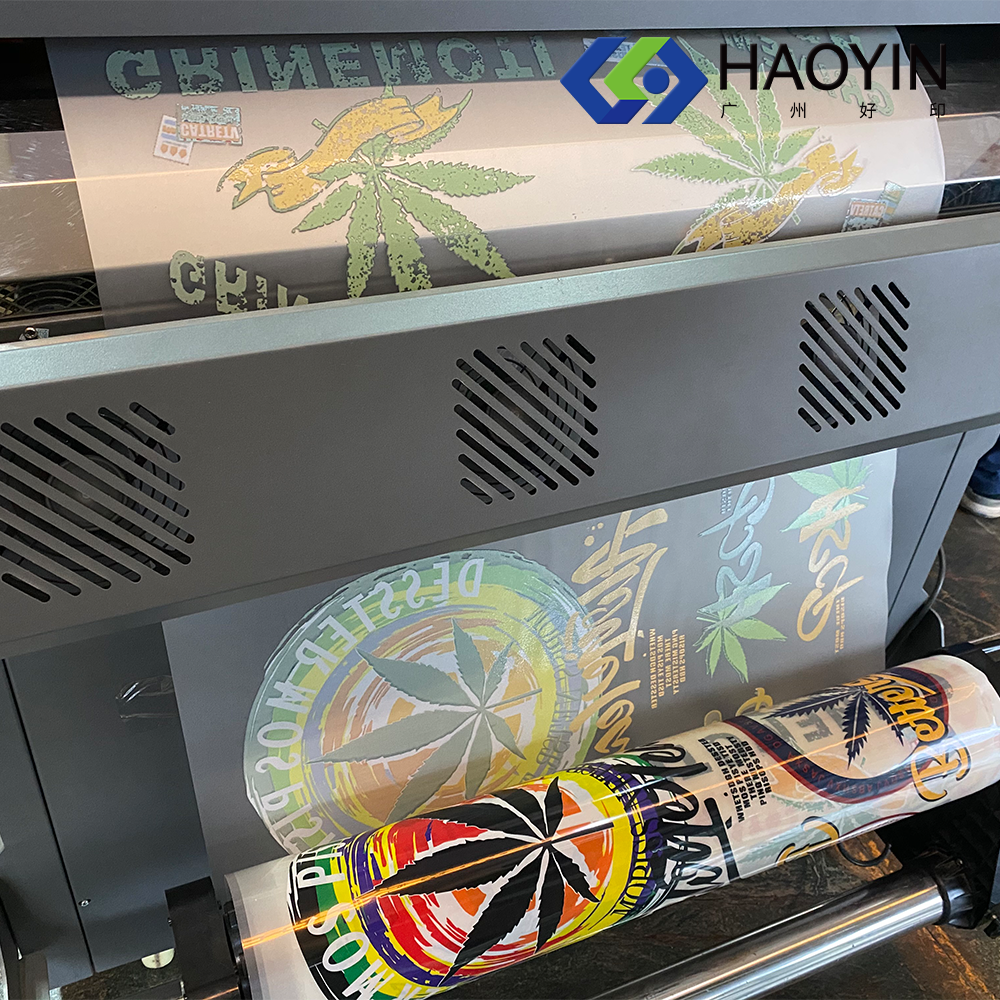
Selecting reliable DTF film suppliers is crucial for businesses operating in the digital textile printing industry. The quality of your direct-to-film transfers depends heavily on the consistency and reliability of your supplier network. Poor quality films can lead to production delays, customer complaints, and significant financial losses. Understanding the key factors that distinguish professional suppliers from mediocre ones will help you build a sustainable supply chain that supports your business growth and maintains customer satisfaction.
Essential Quality Standards for DTF Film Materials
Film Thickness and Consistency
Professional DTF film suppliers maintain strict thickness tolerances across their production runs. Standard film thickness typically ranges from 0.75mm to 1.0mm, with variations of no more than 0.05mm throughout a roll. Inconsistent thickness can cause feeding problems in printers, uneven heat distribution during transfer, and poor adhesion to garments. Reliable suppliers invest in precision coating equipment and implement quality control measures to ensure uniform thickness across every batch.
The substrate material quality directly impacts the final transfer results. High-grade polyethylene terephthalate (PET) films provide superior dimensional stability and heat resistance. Quality suppliers source their base films from established chemical manufacturers and conduct regular testing to verify material properties. This attention to detail ensures that the film maintains its integrity throughout the printing and transfer processes without warping or degrading.
Adhesive Performance and Release Properties
The adhesive coating on DTF films must demonstrate consistent performance across different fabric types and washing conditions. Reliable suppliers formulate their adhesives to provide strong initial bonding while maintaining flexibility after curing. The release properties should allow for clean separation from the carrier film without leaving residue or damaging the printed design. Testing laboratories verify adhesive performance through standardized wash tests and stretch evaluations.
Temperature activation characteristics vary between suppliers and application requirements. Professional DTF film suppliers provide detailed technical specifications including optimal pressing temperatures, dwell times, and pressure settings. This information enables print service providers to achieve consistent results and minimize waste during production runs.
Supplier Certification and Manufacturing Standards
ISO Quality Management Systems
Established DTF film suppliers typically maintain ISO 9001 quality management certification, demonstrating their commitment to consistent product quality and customer satisfaction. This certification requires documented procedures for raw material inspection, production control, and final product testing. Suppliers with ISO certification undergo regular third-party audits to verify compliance with international quality standards.
Environmental management certifications such as ISO 14001 indicate that suppliers operate with environmental responsibility. These certifications become increasingly important as businesses seek to reduce their environmental impact and comply with sustainability regulations. Certified suppliers implement waste reduction programs, energy efficiency measures, and responsible chemical handling procedures throughout their operations.
Production Capacity and Scalability
Reliable suppliers demonstrate the ability to scale production volumes according to customer demand fluctuations. This capability requires adequate manufacturing equipment, skilled personnel, and raw material inventory management systems. Suppliers should provide clear information about their production capacity, lead times for different order volumes, and procedures for handling rush orders or seasonal demand spikes.
Geographic distribution networks enable suppliers to serve customers efficiently across different regions. Multiple production facilities or strategic partnerships with regional distributors can reduce shipping costs and delivery times. This infrastructure becomes particularly important for businesses operating in multiple markets or requiring just-in-time delivery schedules.
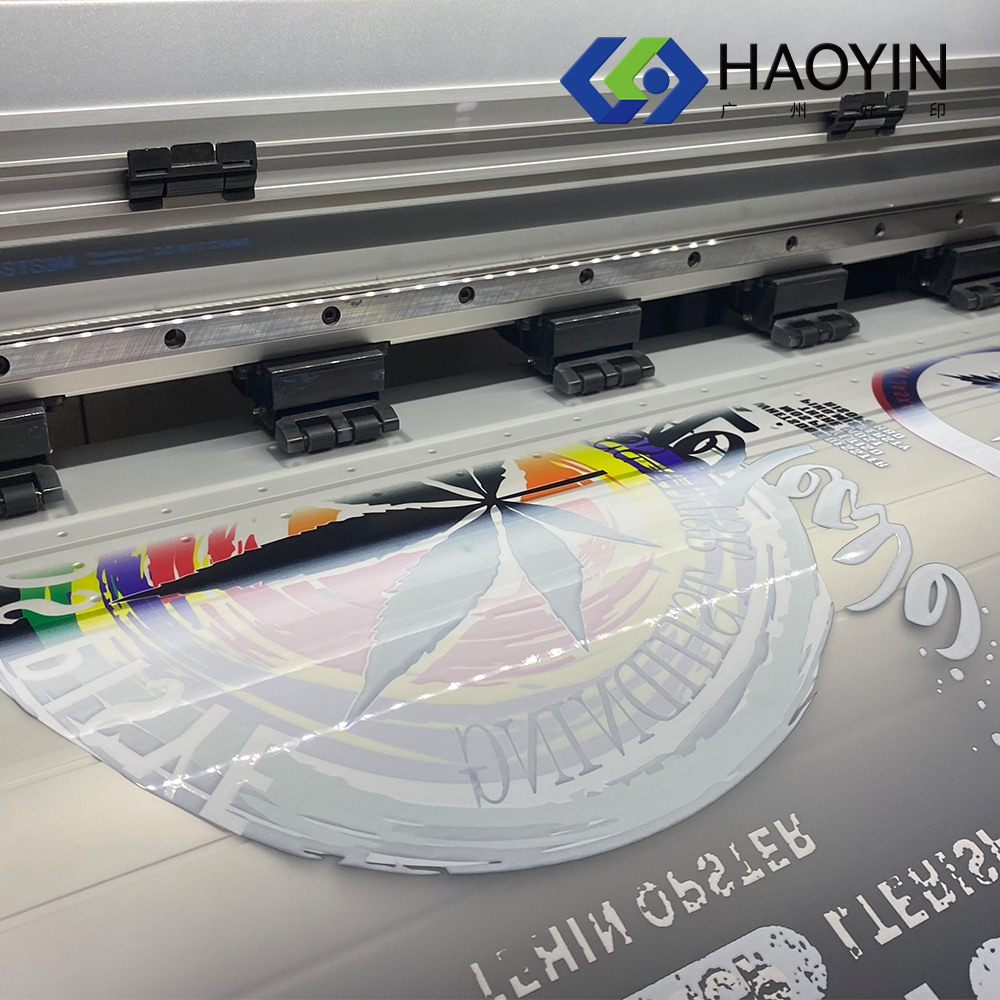
Technical Support and Customer Service Excellence
Application Engineering Support
Professional DTF film suppliers provide comprehensive technical support to help customers optimize their transfer processes. This support includes troubleshooting guidance for common application issues, recommendations for equipment settings, and assistance with new product implementations. Experienced technical teams can identify root causes of quality problems and provide practical solutions to improve production efficiency.
Product training programs help customers maximize the performance of DTF films in their specific applications. These programs cover proper storage procedures, handling techniques, and best practices for achieving consistent transfer quality. Suppliers may offer on-site training, webinar sessions, or detailed technical documentation to support customer success.
Responsive Communication and Order Management
Effective communication systems enable suppliers to respond quickly to customer inquiries, order changes, and technical questions. Modern suppliers implement customer relationship management systems that track order history, preferences, and communication records. This information helps sales representatives provide personalized service and anticipate customer needs.
Order tracking systems provide customers with real-time visibility into production status and shipping information. Automated notifications keep customers informed about order confirmations, production milestones, and delivery schedules. These systems reduce uncertainty and enable customers to plan their production schedules more effectively.
Supply Chain Reliability and Risk Management
Raw Material Sourcing Strategies
Dependable DTF film suppliers maintain diversified raw material supply chains to minimize disruption risks. Single-source dependencies can create vulnerabilities during supply shortages, natural disasters, or geopolitical events. Reliable suppliers qualify multiple sources for critical materials and maintain safety stock levels to buffer against unexpected supply interruptions.
Long-term supplier partnerships enable better planning and cost stability. Established relationships with raw material providers often result in preferential allocation during shortage periods and advance notice of potential supply issues. These partnerships also facilitate collaborative development of new materials and process improvements.
Inventory Management and Distribution
Strategic inventory positioning helps suppliers respond quickly to customer demands while minimizing carrying costs. Modern inventory management systems use demand forecasting algorithms to optimize stock levels and reduce the risk of stockouts. Suppliers should maintain adequate inventory buffers for their most popular products while avoiding excessive investment in slow-moving items.
Distribution network optimization ensures efficient delivery to customers across different geographic regions. This optimization considers factors such as shipping costs, transit times, and service reliability. Suppliers may partner with established logistics providers or maintain their own distribution facilities to ensure consistent service levels.
Cost Structure and Value Proposition
Transparent Pricing Models
Professional DTF film suppliers provide clear, transparent pricing structures that enable customers to make informed purchasing decisions. Volume-based pricing tiers reward larger orders while maintaining fairness for smaller customers. Pricing should include all applicable charges such as setup fees, tooling costs, and shipping expenses to avoid unexpected costs.
Long-term pricing agreements provide budget certainty and help customers plan their costs more effectively. These agreements may include price escalation clauses tied to raw material costs or other economic indicators. Transparent communication about pricing changes helps maintain trust and enables customers to adjust their own pricing strategies accordingly.
Total Cost of Ownership Considerations
Evaluating suppliers based on total cost of ownership provides a more comprehensive view than simple unit price comparisons. This evaluation includes factors such as product yield rates, technical support costs, inventory carrying expenses, and quality-related waste. Higher-quality films from reliable suppliers often provide better overall value despite potentially higher unit prices.
Service level agreements define performance expectations and provide recourse mechanisms when suppliers fail to meet commitments. These agreements should cover delivery performance, quality standards, and response times for technical support. Clear service level definitions help establish accountability and provide benchmarks for supplier evaluation.
FAQ
What minimum order quantities should I expect from DTF film suppliers
Most established DTF film suppliers require minimum orders ranging from 100 to 1000 linear meters depending on film width and specifications. Larger suppliers often offer more flexible minimum quantities due to their higher production volumes, while smaller specialized suppliers may require larger minimums to achieve production efficiency. Custom specifications typically require higher minimum orders to justify setup costs and tooling requirements.
How can I verify the quality consistency of a new DTF film supplier
Request samples from multiple production batches to evaluate consistency in thickness, adhesion properties, and release characteristics. Conduct standardized tests using your existing equipment and processes to compare performance against your current supplier. Ask for certificates of analysis showing test results for key parameters, and consider conducting third-party testing for critical quality attributes before committing to large orders.
What should I look for in DTF film supplier technical documentation
Comprehensive technical documentation should include detailed specifications for film thickness, adhesive properties, temperature requirements, and pressure settings. Look for application guidelines covering different fabric types, washing instructions, and troubleshooting procedures. Safety data sheets and regulatory compliance information are essential for workplace safety and regulatory compliance in your operations.
How do I evaluate the financial stability of potential DTF film suppliers
Review financial statements and credit reports if available, or request references from other customers and suppliers in their network. Established suppliers often have industry certifications, long-term customer relationships, and partnerships with reputable raw material providers. Consider the supplier's investment in modern equipment and facilities as indicators of their commitment to long-term business sustainability.