 EN
EN


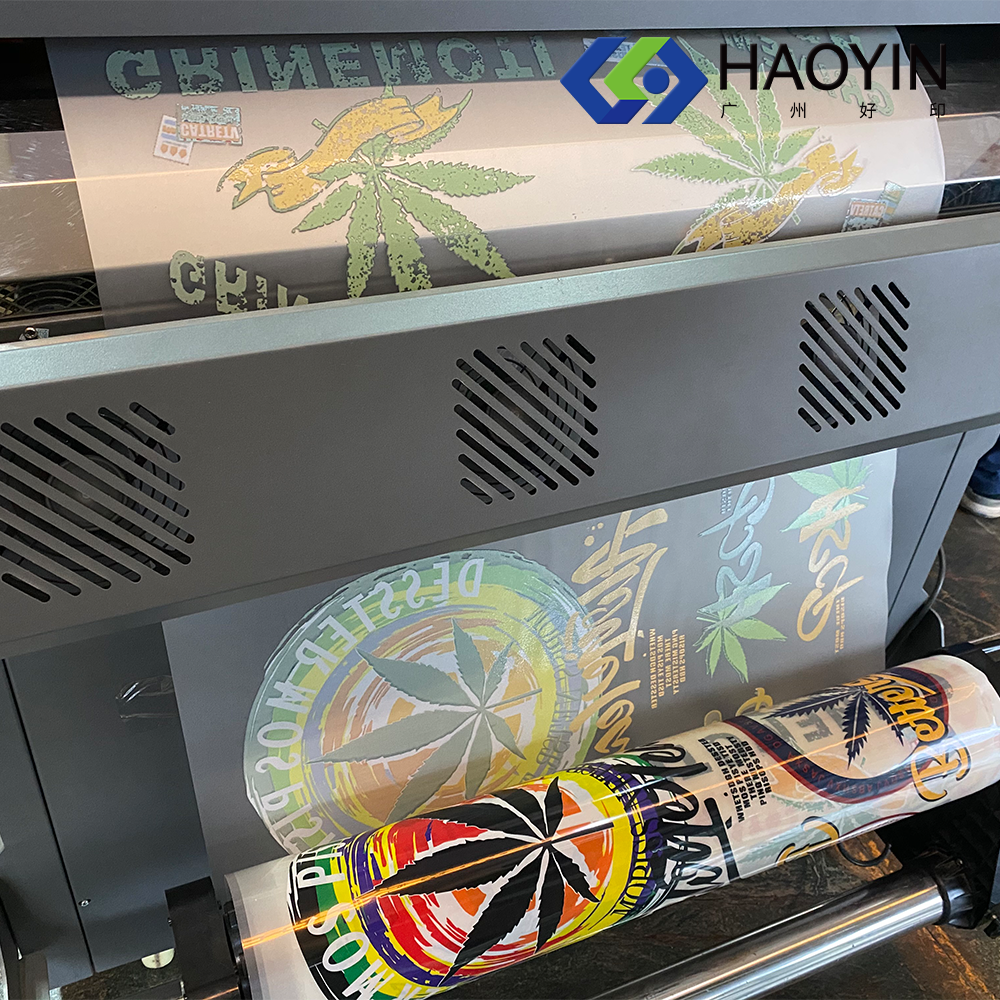
The textile printing industry has witnessed a revolutionary shift with the emergence of Direct-to-Film (DTF) printing technology. Clothing brands worldwide are increasingly adopting this innovative printing method, driven by its exceptional versatility, cost-effectiveness, and superior print quality. DTF transfer film has become the cornerstone of this transformation, enabling brands to achieve vibrant, durable prints on virtually any fabric type while maintaining production efficiency.
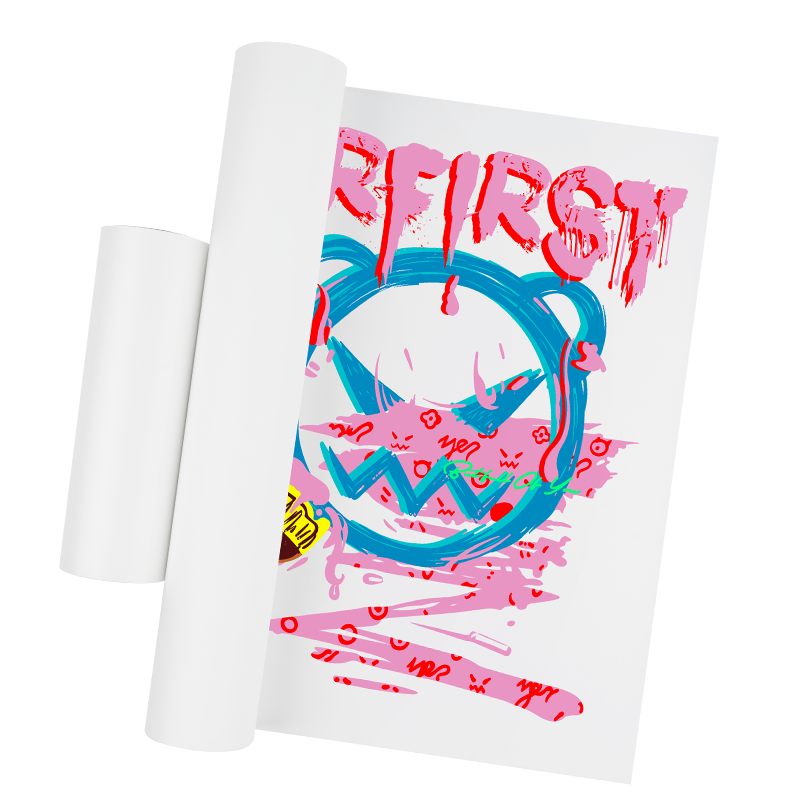
This technological advancement represents more than just another printing option; it embodies a fundamental change in how clothing manufacturers approach custom apparel production. The ability to print detailed designs with photographic quality while maintaining fast turnaround times has made DTF printing an attractive alternative to traditional methods like screen printing, heat transfer vinyl, and direct-to-garment printing.
Understanding why brands are making this transition requires examining the comprehensive benefits that DTF technology offers, from initial setup costs to long-term operational advantages. The flexibility to print on demand, reduced inventory requirements, and minimal setup time have positioned DTF printing as a game-changer in the competitive apparel market.
Understanding DTF Printing Technology
How DTF Printing Works
DTF printing operates through a sophisticated process that begins with printing designs onto specialized transfer films using water-based inks. The printed design receives a coating of hot-melt adhesive powder, which is then cured using heat to create a ready-to-transfer image. This process eliminates the need for weeding or complex setup procedures typically associated with other printing methods.
The transfer process itself involves applying heat and pressure to bond the printed design from the film to the fabric substrate. This method ensures excellent color vibrancy and detail retention while providing superior wash fastness compared to many alternative printing techniques. The entire workflow can be completed efficiently, making it ideal for both small-batch custom orders and larger production runs.
Key Components of DTF Systems
A complete DTF printing setup consists of several essential components working in harmony to deliver professional results. The DTF printer utilizes specialized water-based inks formulated for optimal adhesion and color reproduction. These inks are designed to work seamlessly with the transfer film substrate, ensuring consistent print quality across different fabric types.
The curing station represents another critical component, providing precise temperature control necessary for proper adhesive powder melting. Modern DTF systems incorporate advanced heating elements that maintain uniform temperatures across the entire curing area, preventing quality inconsistencies that could compromise transfer performance.
Advantages Over Traditional Printing Methods
Versatility Across Fabric Types
One of the most compelling reasons clothing brands embrace DTF printing lies in its remarkable versatility across different fabric compositions. Unlike screen printing, which may require specific ink formulations for different materials, or direct-to-garment printing, which works best on cotton blends, DTF technology performs consistently across cotton, polyester, blends, and even challenging substrates like nylon and leather.
This versatility eliminates the need for brands to maintain multiple printing setups or outsource different fabric types to specialized vendors. A single DTF transfer film system can handle the diverse fabric requirements of modern apparel lines, from performance athletic wear to luxury fashion pieces, streamlining production workflows significantly.
Cost-Effectiveness and Efficiency
The economic advantages of DTF printing become apparent when analyzing both initial investment requirements and ongoing operational costs. Traditional screen printing demands significant upfront costs for screen creation, especially for multi-color designs, while DTF printing eliminates these preparatory expenses entirely. Brands can print single units or small batches without penalty, making it economically viable to offer personalized products or test new designs with minimal financial risk.
Labor efficiency represents another significant cost advantage, as DTF printing requires fewer skilled operators compared to traditional methods. The automated nature of the printing and curing process reduces the potential for human error while increasing overall throughput. This efficiency translates directly into improved profit margins and faster order fulfillment times.
Quality and Durability Benefits
Superior Print Resolution and Detail
DTF printing technology delivers exceptional print resolution capabilities that surpass many traditional printing methods. The fine droplet size achievable with modern DTF printers enables reproduction of intricate details, gradients, and photographic images with remarkable clarity. This capability has opened new creative possibilities for clothing brands seeking to differentiate their products through sophisticated graphic elements.
Color reproduction accuracy represents another quality advantage, with DTF systems capable of achieving vibrant, saturated colors that maintain their intensity through multiple wash cycles. The water-based ink formulations used in DTF printing provide excellent color gamut coverage while remaining environmentally friendly compared to solvent-based alternatives used in some traditional printing methods.
Wash Fastness and Longevity
Durability testing has consistently demonstrated that properly applied DTF transfers exhibit excellent wash fastness characteristics, often exceeding the performance of competing printing methods. The molecular bonding achieved during the heat transfer process creates a permanent integration between the printed design and fabric fibers, resulting in prints that maintain their appearance and integrity through extensive wear and laundering.
The flexibility of cured DTF transfers allows them to move naturally with fabric stretching and movement, preventing cracking or peeling that commonly affects rigid printing methods. This flexibility is particularly important for athletic wear and fitted garments where fabric stress is inevitable during normal use.
Production Flexibility and Scalability
On-Demand Manufacturing Capabilities
The on-demand production capabilities enabled by DTF printing have revolutionized inventory management strategies for clothing brands. Unlike traditional methods requiring minimum order quantities or extensive setup time, DTF technology allows brands to produce garments as orders are received, eliminating the need for large inventory investments and reducing the risk of overstock situations.
This flexibility particularly benefits brands offering customized or personalized products, as each item can be uniquely designed and produced without impacting production efficiency. The ability to accommodate last-minute design changes or customer modifications provides a competitive advantage in markets demanding rapid response times and product customization options.
Rapid Prototyping and Design Testing
DTF printing facilitates rapid prototyping processes that enable brands to test new designs and concepts quickly and cost-effectively. Design iterations can be produced and evaluated within hours rather than days or weeks required by traditional printing methods. This accelerated development cycle allows brands to respond more rapidly to market trends and customer feedback.
The low setup costs associated with DTF printing make it economically feasible to produce small quantities for market testing, trade shows, or influencer campaigns without significant financial commitment. This capability reduces the risk associated with new product launches while providing valuable market feedback before committing to larger production runs.
Environmental and Sustainability Considerations
Reduced Waste and Chemical Usage
Environmental consciousness has become increasingly important for clothing brands and their customers, making the sustainability aspects of DTF printing particularly relevant. The precision of digital printing significantly reduces ink waste compared to screen printing, where substantial quantities of ink may be discarded during color changes or cleanup procedures. DTF systems utilize ink more efficiently, printing only what is needed for each specific design.
The water-based ink formulations used in DTF printing contain fewer harmful chemicals compared to traditional plastisol inks used in screen printing. These formulations typically have lower volatile organic compound (VOC) emissions, contributing to improved workplace air quality and reduced environmental impact. Additionally, the elimination of harsh chemical solvents from the printing process reduces hazardous waste generation.
Energy Efficiency and Carbon Footprint
Modern DTF systems incorporate energy-efficient technologies that reduce overall power consumption compared to traditional printing setups. The curing process, while requiring heat, is typically more energy-efficient than the high-temperature requirements of some screen printing operations. LED curing systems, where applicable, further reduce energy consumption while providing precise temperature control.
The reduced transportation requirements associated with DTF printing's on-demand capabilities contribute to lower carbon footprints for clothing brands. By producing garments closer to end consumers and eliminating the need for large inventory storage and distribution networks, brands can significantly reduce their environmental impact while maintaining operational efficiency.
Market Trends and Future Outlook
Growing Adoption Across Industry Segments
Market research indicates accelerating adoption of DTF printing technology across various segments of the apparel industry, from small independent brands to major manufacturing operations. Sports and activewear companies have been particularly aggressive in adopting DTF technology due to its excellent performance on technical fabrics and ability to produce durable, flexible prints suitable for athletic applications.
The custom apparel and promotional products sectors have experienced dramatic growth in DTF adoption, driven by the technology's suitability for short-run production and personalization capabilities. Print-on-demand businesses have found DTF printing particularly attractive due to its cost-effectiveness for single-unit production and excellent print quality that satisfies demanding customer expectations.
Technological Advancements and Innovations
Ongoing technological developments continue to enhance DTF printing capabilities, with manufacturers introducing improved ink formulations, more efficient curing systems, and enhanced automation features. Next-generation DTF transfer film products offer improved release characteristics, enhanced durability, and expanded compatibility with challenging substrate materials.
Integration with digital workflow systems and automated cutting technologies is streamlining DTF production processes further, reducing labor requirements while improving consistency and quality. These advancements are making DTF printing increasingly attractive to brands seeking to maximize efficiency while maintaining high-quality output standards.
Implementation Considerations for Brands
Equipment Selection and Investment
Successful DTF implementation requires careful consideration of equipment specifications and production requirements. Brands must evaluate their typical order volumes, design complexity, and quality standards when selecting appropriate DTF systems. Entry-level systems may suffice for smaller operations, while high-volume producers require industrial-grade equipment with enhanced productivity features and robust construction.
The total cost of ownership extends beyond initial equipment purchase to include ongoing consumable costs, maintenance requirements, and operator training expenses. Brands should conduct thorough cost analyses comparing DTF implementation to existing printing methods, considering both short-term transition costs and long-term operational benefits.
Training and Workflow Integration
Effective DTF implementation requires comprehensive operator training to ensure consistent print quality and efficient production workflows. While DTF printing is generally less complex than some traditional methods, proper training on equipment operation, maintenance procedures, and quality control protocols is essential for achieving optimal results.
Integration with existing production workflows may require modifications to order processing systems, inventory management procedures, and quality assurance protocols. Brands should plan for a transition period during which both old and new systems may operate simultaneously to maintain production continuity while staff becomes proficient with DTF technology.
FAQ
What types of fabrics work best with DTF printing
DTF printing works exceptionally well on virtually all fabric types, including cotton, polyester, cotton-polyester blends, nylon, and even leather. The technology performs consistently across different fabric compositions without requiring specialized ink formulations for each material type. This versatility makes DTF printing ideal for brands working with diverse fabric collections, as a single system can handle multiple substrate types efficiently.
How does DTF printing durability compare to screen printing
DTF printing typically offers superior durability compared to screen printing, particularly in terms of wash fastness and flexibility. The molecular bonding achieved during the heat transfer process creates permanent integration with fabric fibers, while the flexible nature of cured transfers prevents cracking during fabric movement. Properly applied DTF transfers often exceed 50 wash cycles while maintaining color vibrancy and print integrity.
What are the typical setup costs for DTF printing systems
DTF printing setup costs vary significantly based on system size and capabilities, typically ranging from several thousand dollars for entry-level systems to tens of thousands for industrial-grade equipment. However, DTF printing eliminates many recurring costs associated with traditional methods, such as screen creation fees and minimum order requirements, making it cost-effective for both small and large production volumes over time.
Can DTF printing achieve photographic quality images
Modern DTF printing systems can achieve excellent photographic reproduction quality with proper equipment and technique. High-resolution printers combined with quality transfer films can reproduce fine details, smooth gradients, and accurate color reproduction suitable for complex photographic images. The key factors include using appropriate resolution settings, quality consumables, and proper curing procedures to ensure optimal results.