 EN
EN


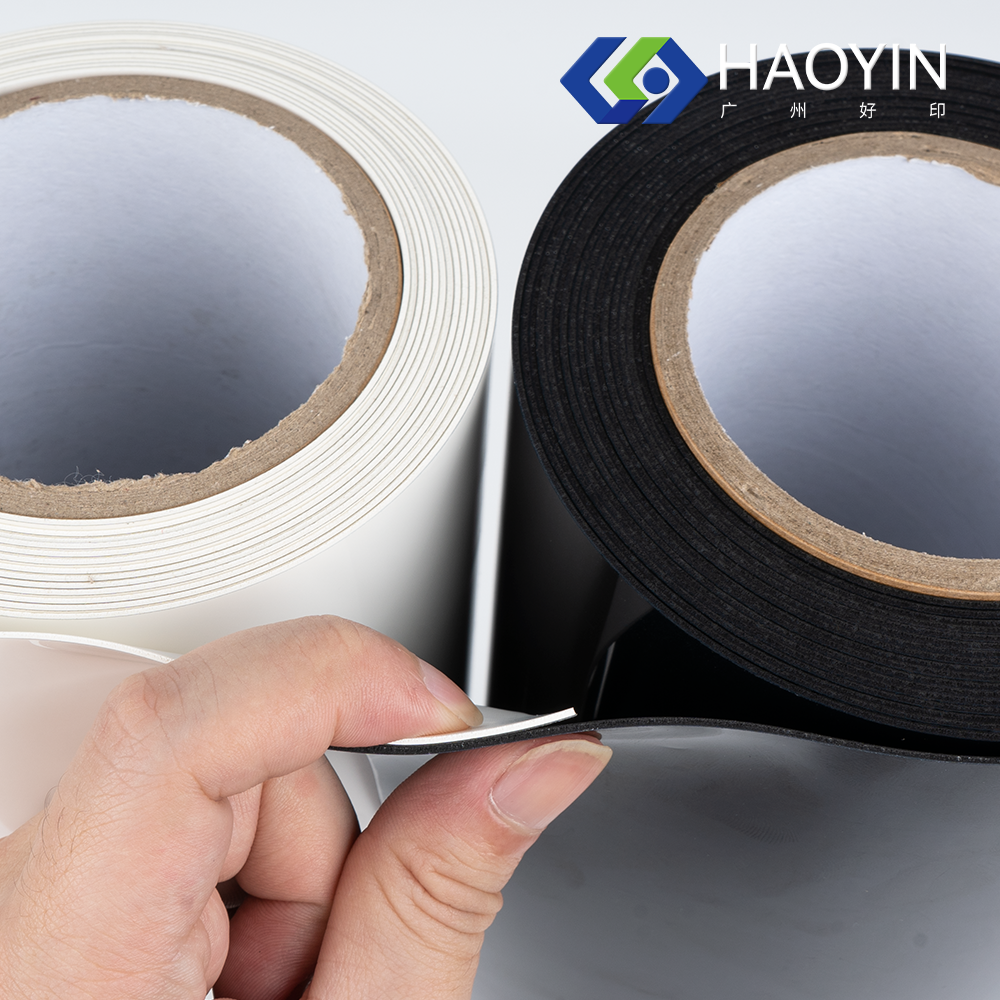
In the rapidly evolving world of custom apparel and promotional products, manufacturers continuously seek materials that deliver exceptional quality while maintaining cost-effectiveness for large-scale operations. The textile printing industry has witnessed a significant shift toward polyurethane-based solutions, particularly when businesses need to produce thousands of identical items with consistent results. This transformation has positioned PU-based materials as the cornerstone of modern mass production printing, offering unprecedented advantages in durability, application efficiency, and final product quality that traditional alternatives simply cannot match.
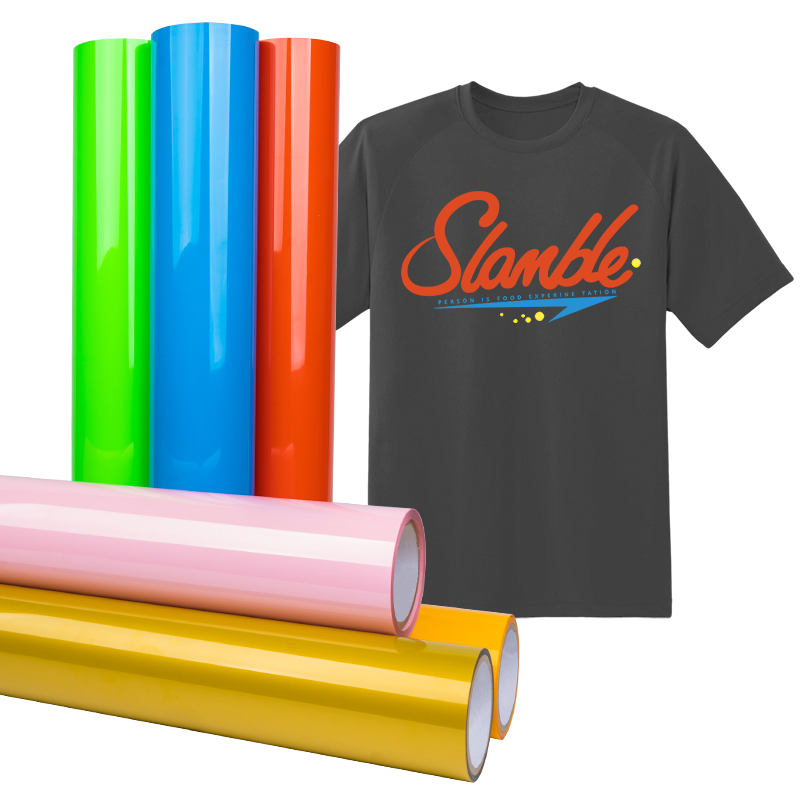
Superior Material Properties for High-Volume Applications
Enhanced Durability and Longevity
Polyurethane heat transfer vinyl demonstrates remarkable resistance to environmental factors that typically compromise other materials during extended production runs. The molecular structure of PU creates a flexible yet robust barrier that withstands repeated washing cycles, UV exposure, and mechanical stress without significant degradation. This durability translates directly into reduced warranty claims and customer complaints, making it particularly valuable for businesses producing large quantities of branded merchandise or uniforms that must maintain their appearance over extended periods.
The superior adhesion properties of PU materials ensure that designs remain intact even under demanding conditions such as industrial laundering or outdoor exposure. Unlike cheaper alternatives that may crack, peel, or fade after minimal use, polyurethane-based products maintain their integrity throughout their intended lifespan. This reliability factor becomes crucial when manufacturers commit to producing thousands of items with guaranteed performance standards, as any material failure can result in costly reprints and damaged business relationships.
Optimal Stretch and Recovery Characteristics
The elastic properties of polyurethane make it exceptionally suitable for garments that experience regular stretching and movement. Athletic wear, fitted clothing, and performance apparel all benefit from PU heat transfer vinyl's ability to conform to fabric movement without compromising the design integrity. This flexibility prevents the common issues of cracking and separation that plague rigid materials when applied to stretch fabrics, ensuring that mass-produced items maintain their professional appearance regardless of the end-user's activities.
Recovery characteristics play an equally important role in mass production success. PU materials return to their original dimensions after stretching, preventing the permanent distortion that can occur with inferior products. This property ensures consistency across large production batches, where even minor variations in material behavior can lead to quality control issues and customer dissatisfaction. The predictable performance of polyurethane eliminates the guesswork often associated with material selection for high-volume projects.
Production Efficiency and Cost-Effectiveness
Streamlined Cutting and Weeding Processes
The precision cutting capabilities of PU heat transfer vinyl significantly reduce production time in mass manufacturing environments. The material's consistent thickness and density allow for accurate blade penetration, resulting in clean edges that require minimal post-processing attention. This predictability enables manufacturers to optimize their cutting parameters once and replicate them across thousands of pieces without constant adjustments or quality checks, dramatically improving overall throughput and reducing labor costs.
Weeding efficiency represents another critical advantage in high-volume operations. The controlled release properties of polyurethane carrier films ensure that excess material removes cleanly without damaging intricate design elements or leaving unwanted residue. This characteristic becomes particularly valuable when producing complex logos or detailed graphics that would be time-prohibitive to weed manually on a large scale. Automated weeding systems work more effectively with PU materials, enabling manufacturers to achieve consistent results with minimal human intervention.
Consistent Application Results
Temperature and pressure consistency during application becomes paramount in mass production scenarios, where even minor variations can create visible differences across a batch. PU heat transfer vinyl responds predictably to standardized heat press settings, allowing operators to establish reliable parameters that work consistently across extended production runs. This reliability reduces setup time, minimizes test pressing requirements, and virtually eliminates the costly reprints associated with application failures.
The forgiveness factor of polyurethane materials also contributes to production efficiency. Minor variations in pressure or temperature that might cause problems with other materials rarely affect PU products negatively. This tolerance reduces the skill level required for operators and decreases the likelihood of human error during high-speed production environments. Manufacturers can confidently train multiple operators knowing that the material properties will help compensate for slight variations in technique or equipment calibration.
Quality Consistency Across Large Batches
Uniform Color Reproduction and Opacity
Color consistency becomes a critical factor when producing thousands of identical items, as even slight variations can make products appear mismatched when displayed together. PU heat transfer vinyl maintains exceptional color stability throughout the production process, from initial cutting through final application. The dense pigmentation and stable polymer matrix prevent color shifting or fading that can occur with lower-quality alternatives, ensuring that the first item and the thousandth item in a production run appear virtually identical.
Opacity performance directly impacts the versatility of mass production operations, particularly when applying designs to dark or colored substrates. Premium polyurethane materials provide complete coverage with a single layer, eliminating the need for multiple applications or special base layers that would significantly increase production time and costs. This single-layer coverage capability enables manufacturers to accept orders for various garment colors without adjusting their production processes or material specifications.
Predictable Adhesion Performance
Adhesive consistency across large production runs prevents the quality variations that can plague mass manufacturing operations. PU heat transfer vinyl utilizes advanced adhesive formulations that activate uniformly under standardized conditions, creating reliable bonds regardless of slight variations in substrate preparation or environmental conditions. This predictability allows manufacturers to establish quality control protocols that ensure every piece meets the same adhesion standards without requiring individual testing or adjustment.
The chemical compatibility of polyurethane adhesives with various fabric types further enhances production flexibility. Unlike materials that require different application parameters for different substrates, PU heat transfer vinyl often works effectively across multiple fabric compositions using identical settings. This versatility simplifies inventory management and reduces the complexity of production scheduling, allowing manufacturers to switch between different garment types without extensive changeover procedures.
Environmental and Safety Advantages
Reduced Chemical Emissions and Workplace Safety
Modern PU heat transfer vinyl formulations prioritize workplace safety through reduced emission profiles during application. The lower outgassing characteristics compared to PVC-based alternatives create healthier working environments, particularly important in facilities running continuous production schedules with multiple heat press stations. Reduced chemical emissions also simplify ventilation requirements and regulatory compliance, lowering the overall cost of facility operation while protecting worker health.
The stable chemical composition of polyurethane materials minimizes the release of potentially harmful compounds during normal use temperatures. This stability becomes increasingly important as environmental regulations tighten and consumers become more conscious of the products they purchase. Manufacturers using PU materials can market their products as environmentally responsible choices while meeting stringent safety standards without compromising production efficiency or quality.
Sustainable Production Practices
The durability advantages of PU heat transfer vinyl contribute to more sustainable manufacturing practices by reducing waste and extending product lifecycles. Longer-lasting applications mean fewer replacements and reduced environmental impact over time. Additionally, the efficiency gains achieved through improved cutting, weeding, and application processes translate into lower energy consumption and reduced material waste, supporting corporate sustainability initiatives while maintaining competitive production costs.
Recycling capabilities of modern polyurethane formulations align with circular economy principles increasingly important to both manufacturers and end consumers. The ability to reclaim and reprocess production waste reduces overall material costs while supporting environmental stewardship goals. These factors become particularly relevant for companies seeking sustainability certifications or responding to customer demands for environmentally conscious products.
Market Positioning and Competitive Advantages
Premium Product Differentiation
The superior performance characteristics of PU heat transfer vinyl enable manufacturers to position their products in premium market segments where quality commands higher margins. The professional appearance, durability, and consistent results achievable with polyurethane materials justify premium pricing while creating clear differentiation from competitors using inferior alternatives. This positioning becomes particularly valuable in B2B markets where reputation and reliability directly impact repeat business opportunities.
Brand protection represents another crucial advantage for companies using high-quality materials in their mass production operations. The consistent results and long-term performance of PU heat transfer vinyl help maintain brand reputation by ensuring that products continue to look professional throughout their useful life. This protection becomes invaluable for companies whose reputation depends on the quality and durability of their promotional products or branded merchandise.
Scalability and Growth Support
The production efficiency and quality consistency provided by polyurethane materials create a foundation for sustainable business growth. Companies can confidently accept larger orders knowing that their production capabilities and quality standards will scale appropriately. The reduced labor intensity and lower skill requirements associated with PU heat transfer vinyl applications enable rapid workforce expansion without compromising output quality or production speed.
Investment protection represents a long-term advantage for manufacturers committed to growth. The compatibility of PU materials with automated production equipment and their consistent performance characteristics ensure that process improvements and equipment upgrades will continue to provide value as production volumes increase. This compatibility reduces the risk associated with scaling operations and supports strategic planning for long-term market expansion.
FAQ
What makes PU heat transfer vinyl more cost-effective for large production runs compared to other materials
PU heat transfer vinyl reduces overall production costs through improved efficiency in cutting, weeding, and application processes, combined with lower defect rates and reduced material waste. The consistent performance characteristics eliminate the need for extensive testing and rework, while the durability reduces warranty claims and customer complaints. These factors combine to create significant cost savings that become more pronounced as production volumes increase.
How does the durability of PU materials impact customer satisfaction in mass-produced items
The superior durability of polyurethane heat transfer vinyl ensures that designs maintain their appearance and integrity throughout extended use, leading to higher customer satisfaction and reduced complaints. The resistance to washing, UV exposure, and mechanical stress means that mass-produced items continue to look professional long after purchase, protecting brand reputation and encouraging repeat business.
Can PU heat transfer vinyl maintain quality consistency across thousands of pieces in a single production run
Yes, PU heat transfer vinyl is specifically engineered for consistent performance across large production batches. The stable material properties, predictable cutting characteristics, and uniform application behavior ensure that quality remains consistent from the first piece to the last. This reliability is achieved through advanced manufacturing processes that control material thickness, adhesive distribution, and color consistency throughout each production lot.
What equipment considerations are important when switching to PU heat transfer vinyl for mass production
PU heat transfer vinyl typically requires standard heat press equipment with consistent temperature and pressure control capabilities. The material works well with automated cutting systems and benefits from proper blade selection and cutting force optimization. Most existing production equipment can be adapted for PU materials with minor adjustments to cutting parameters and heat press settings, making the transition relatively straightforward for established manufacturers.
Table of Contents
- Superior Material Properties for High-Volume Applications
- Production Efficiency and Cost-Effectiveness
- Quality Consistency Across Large Batches
- Environmental and Safety Advantages
- Market Positioning and Competitive Advantages
-
FAQ
- What makes PU heat transfer vinyl more cost-effective for large production runs compared to other materials
- How does the durability of PU materials impact customer satisfaction in mass-produced items
- Can PU heat transfer vinyl maintain quality consistency across thousands of pieces in a single production run
- What equipment considerations are important when switching to PU heat transfer vinyl for mass production