 EN
EN


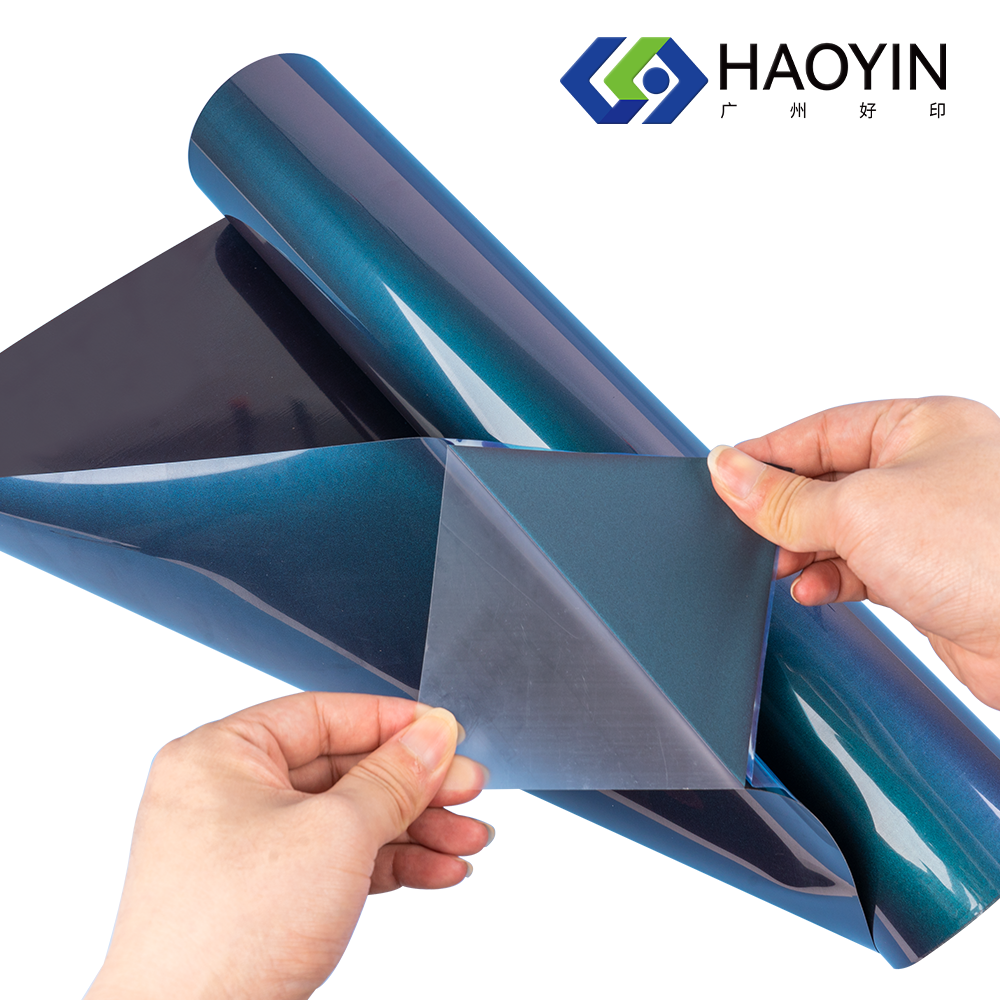
Heat transfer vinyl has revolutionized the custom apparel and crafting industry, offering endless possibilities for personalized designs and professional applications. However, many users encounter frustrating situations where their carefully planned projects fail to adhere properly, leaving them wondering what went wrong. Understanding the common reasons why heat transfer vinyl doesn't stick is crucial for achieving consistent, professional results that stand the test of time and multiple wash cycles.
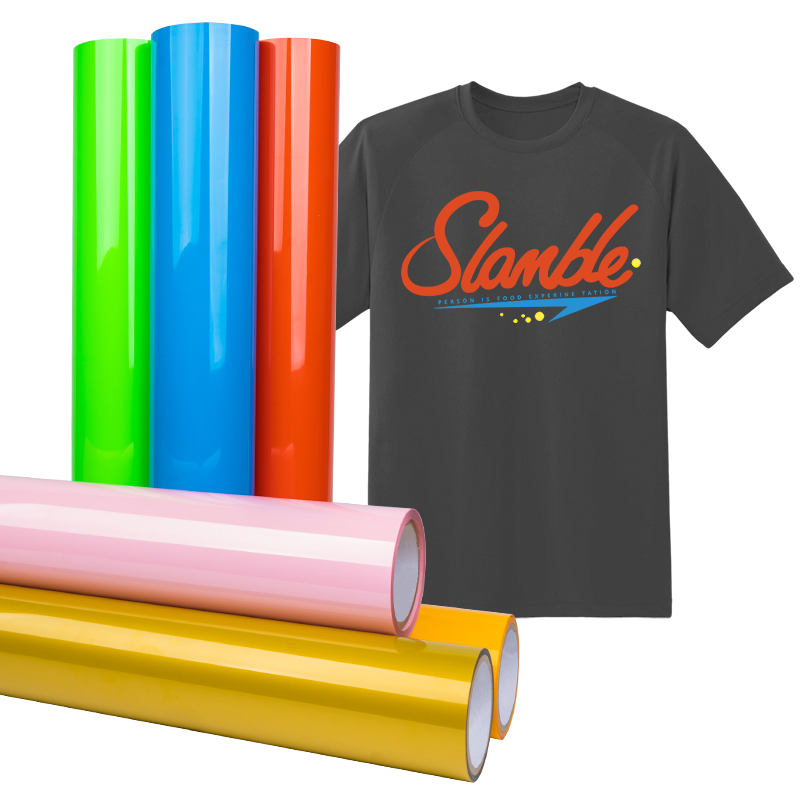
Temperature and Pressure Issues
Incorrect Heat Settings
One of the most critical factors affecting vinyl adhesion is maintaining the proper temperature throughout the application process. Different types of heat transfer vinyl require specific temperature ranges to activate their adhesive properties effectively. Premium polyurethane materials typically need temperatures between 305-320°F, while standard PVC variants may require different settings. When the temperature is too low, the adhesive fails to properly melt and bond with the fabric fibers, resulting in poor adhesion that may appear successful initially but fails during the first wash.
Conversely, excessive heat can damage both the vinyl and the garment, causing the adhesive to overheat and lose its bonding capabilities. This often manifests as scorched or discolored areas around the design, compromising both appearance and durability. Professional heat presses with accurate temperature controls help eliminate guesswork and ensure consistent results across different projects and materials.
Insufficient Pressure Application
Proper pressure distribution is equally important as temperature control for successful vinyl application. Inadequate pressure prevents the adhesive from making complete contact with the fabric surface, creating air pockets and weak bonding areas. This issue becomes particularly problematic with textured fabrics or garments with seams, where uneven surfaces require additional pressure to ensure complete adhesion.
Many home crafters underestimate the amount of pressure needed, especially when using household irons instead of professional heat presses. A quality heat press applies even pressure across the entire design area, typically requiring 40-60 pounds of pressure depending on the vinyl type and fabric combination. Insufficient pressure often results in lifting edges or corners that become more pronounced after washing and wearing.
Fabric Preparation and Compatibility
Surface Contamination Problems
Fabric preparation plays a crucial role in achieving optimal vinyl adhesion, yet many users overlook this essential step. Manufacturing residues, fabric softeners, and oils from handling can create invisible barriers that prevent proper bonding. New garments often contain sizing agents or finishing chemicals that must be removed before applying heat transfer vinyl for maximum effectiveness.
Pre-washing garments removes these contaminants and also pre-shrinks the fabric, preventing future distortion of the applied design. However, it's important to avoid fabric softeners during pre-washing, as these products leave residues that interfere with adhesive bonding. A simple wash with regular detergent followed by thorough drying creates the ideal surface for vinyl application.
Fabric Type Compatibility
Not all fabrics are equally suitable for heat transfer vinyl application, and understanding material compatibility prevents many adhesion failures. Natural fibers like cotton and cotton blends generally provide excellent adhesion surfaces due to their porous structure and heat tolerance. These materials allow the vinyl adhesive to penetrate and create strong mechanical bonds that withstand repeated washing and wearing.
Synthetic materials present unique challenges, with some polyester blends requiring lower temperatures to prevent sublimation dyes from bleeding through light-colored vinyl. Performance fabrics with moisture-wicking treatments or water-resistant coatings often resist vinyl adhesion due to their specialized surface treatments. Understanding these material properties helps crafters select appropriate vinyl types and adjust application parameters accordingly.
Application Technique Errors
Timing and Duration Mistakes
Proper timing during the heat application process significantly impacts final adhesion quality. Most heat transfer vinyl requires specific dwell times to achieve optimal bonding, typically ranging from 10-15 seconds for initial application. Rushing this process by reducing heat time often results in incomplete adhesive activation, while excessive heating can damage both the vinyl and underlying fabric.
The cooling process is equally important, as many vinyl types require pressure to be maintained during initial cooling to ensure complete adhesion. Premature removal of pressure can cause the vinyl to lift or create weak spots that fail over time. Following manufacturer-specific timing guidelines and allowing proper cooling prevents many common adhesion failures.
Weeding and Transfer Issues
Improper weeding techniques can compromise vinyl integrity and create adhesion problems during application. Over-aggressive weeding may damage the vinyl backing or create small tears that become failure points during heat application. Conversely, leaving excess material around designs can create uneven surfaces that prevent proper pressure distribution.
Transfer tape selection and application also affects final results, particularly with intricate designs containing small details or thin lines. Using inappropriate transfer tape or applying it incorrectly can cause parts of the design to remain on the tape rather than transferring to the fabric, creating incomplete applications that appear to be adhesion failures.
Storage and Environmental Factors
Vinyl Age and Storage Conditions
Heat transfer vinyl has a finite shelf life, and storage conditions significantly impact its performance characteristics. Exposure to extreme temperatures, humidity, or direct sunlight can degrade the adhesive properties over time, leading to poor bonding performance even when application techniques are correct. Vinyl stored in hot environments may experience premature adhesive activation, while cold storage can make the material brittle and difficult to weed.
Proper storage involves keeping vinyl rolls in cool, dry environments away from direct sunlight, ideally in original packaging until use. Most quality heat transfer vinyl maintains optimal performance for 12-24 months when stored correctly, though premium materials may retain effectiveness longer due to superior adhesive formulations.
Humidity and Environmental Conditions
Workshop environmental conditions affect both vinyl performance and fabric preparation. High humidity can cause fabrics to retain moisture, creating steam during heat application that interferes with proper bonding. This moisture can also affect vinyl backing papers and transfer tapes, making them more difficult to remove cleanly.
Consistent workshop conditions with controlled temperature and humidity levels provide the most reliable results. When working in variable conditions, allowing fabrics and vinyl to acclimate to workshop temperature and humidity levels before application helps ensure optimal performance.
Quality and Material Selection
Vinyl Quality Differences
The quality of heat transfer vinyl varies significantly between manufacturers and price points, with budget options often sacrificing adhesive quality for lower costs. Premium vinyl materials feature superior adhesive formulations that provide stronger initial bonding and better long-term durability. These materials also typically offer more consistent thickness and better cutting characteristics that contribute to successful applications.
Professional-grade vinyl often includes specialized features like stretch capabilities for performance wear or low-temperature adhesives for sensitive fabrics. While these materials may cost more initially, their superior performance and reliability often justify the investment, particularly for commercial applications where consistent results are essential.
Adhesive Technology Variations
Modern heat transfer vinyl utilizes various adhesive technologies designed for specific applications and performance requirements. Polyurethane-based adhesives offer excellent flexibility and washability, making them ideal for athletic wear and frequently laundered items. These advanced formulations maintain their bonding strength through multiple wash cycles while remaining flexible enough to move with fabric stretching.
Understanding different adhesive technologies helps users select the most appropriate materials for their specific applications. Some adhesives are optimized for quick application and immediate usability, while others require longer curing times but offer superior long-term durability. Matching adhesive technology to intended use ensures optimal performance and customer satisfaction.
FAQ
How long should I apply heat when using heat transfer vinyl
The recommended heat application time varies by vinyl type and thickness, but most standard heat transfer vinyl requires 10-15 seconds of consistent heat and pressure. Thicker materials or specialty vinyl may need up to 20 seconds, while thin or delicate materials might require shorter application times. Always consult the manufacturer's specifications for your specific vinyl type and adjust based on your heat press capabilities and fabric type.
Can I use an iron instead of a heat press for vinyl application
While household irons can be used for heat transfer vinyl application, they provide less consistent results than professional heat presses. Irons often have uneven heat distribution and cannot apply the uniform pressure needed for optimal adhesion. If using an iron, ensure it has accurate temperature controls, avoid the steam setting, and apply firm, even pressure while moving the iron consistently across the design area.
Why does my vinyl look good initially but fail after washing
Vinyl that appears well-adhered initially but fails after washing typically indicates incomplete adhesive activation during application. This can result from insufficient heat, inadequate pressure, or contaminated fabric surfaces. The washing process introduces stress that reveals weak bonding areas. Ensure proper fabric preparation, use correct temperature and pressure settings, and allow complete cooling before removing transfer materials.
What should I do if my heat transfer vinyl starts peeling at the edges
Edge peeling often results from inadequate pressure around the design perimeter or insufficient heat penetration. Try reapplying heat and pressure to the affected areas, focusing on the edges. If the peeling continues, the vinyl may need to be removed and reapplied with corrected technique. Prevention involves ensuring complete pressure coverage across the entire design area and using appropriate heat settings for the vinyl and fabric combination.