 EN
EN


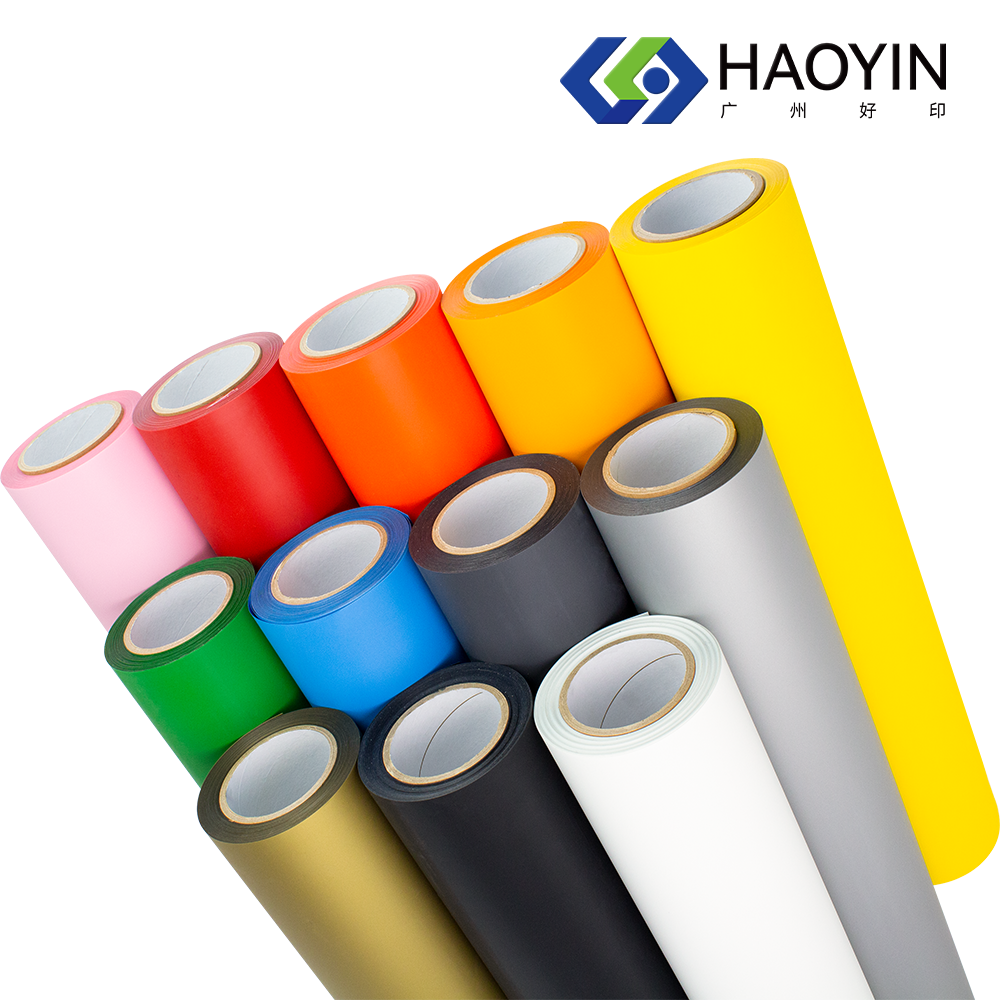
PET release film has become an indispensable material across numerous industrial applications, from manufacturing adhesive tapes to producing electronic components. The stability and performance of this specialized film depend heavily on proper storage conditions, making storage protocols critical for maintaining product quality and extending shelf life. Understanding how environmental factors affect PET release film can mean the difference between optimal performance and costly material degradation that impacts production efficiency and final product quality.
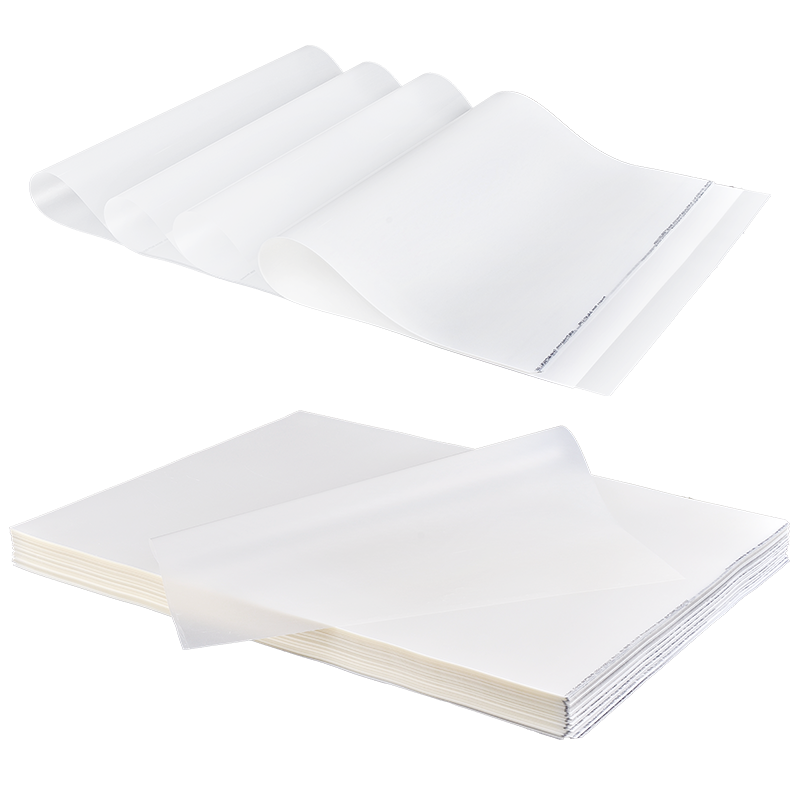
Understanding Environmental Factors That Affect PET Release Film
Temperature Control Requirements
Temperature fluctuations pose one of the most significant threats to PET release film stability. Excessive heat can cause dimensional changes in the film substrate, leading to curl, warpage, or permanent deformation that affects its release properties. The ideal storage temperature range typically falls between 15°C to 25°C (59°F to 77°F), with minimal variation to prevent thermal stress on the material. Consistent temperature maintenance helps preserve the film's molecular structure and prevents the silicone release coating from experiencing thermal degradation.
Cold storage environments can also present challenges, particularly when films are exposed to rapid temperature changes during removal from storage. Condensation formation on cold surfaces can introduce moisture that compromises the release characteristics and potentially leads to delamination issues. Gradual temperature acclimation before use becomes essential when films have been stored in cooler environments, allowing the material to reach ambient conditions without thermal shock.
Humidity Management Strategies
Relative humidity control represents another critical aspect of proper PET release film storage. High humidity environments can cause moisture absorption, leading to dimensional instability and potential adhesive migration from adjacent materials. The recommended relative humidity range typically spans 45% to 65%, providing sufficient moisture control without creating overly dry conditions that might generate static electricity buildup.
Moisture ingress can particularly affect the silicone release layer, potentially altering its surface energy properties and reducing release efficiency. Implementation of humidity monitoring systems and dehumidification equipment becomes necessary in regions with naturally high atmospheric moisture content, ensuring consistent storage conditions regardless of external weather patterns.
Physical Storage Configuration Best Practices
Vertical Storage Orientation
The physical positioning of PET release film during storage significantly impacts its long-term stability and usability. Vertical storage orientation generally provides the best results for rolled materials, preventing gravitational compression that can cause permanent deformation or telescoping of the roll structure. This positioning also facilitates better air circulation around the stored materials, promoting uniform temperature distribution and preventing localized heat buildup.
When vertical storage proves impractical due to space constraints, horizontal stacking should follow specific guidelines to minimize compression effects. Roll supports positioned at strategic intervals help distribute weight evenly, while rotation schedules ensure that bottom rolls do not experience prolonged compression. The maximum stacking height should be determined based on roll dimensions and material specifications to prevent structural damage.
Protection From Contamination
Contamination prevention requires comprehensive protective measures that address both particulate matter and chemical exposure risks. Dust accumulation on PET release film surfaces can interfere with release properties and create defects in subsequent processing operations. Sealed storage containers or protective wrapping materials provide the first line of defense against airborne contaminants while maintaining adequate ventilation to prevent moisture accumulation.
Chemical contamination poses equally serious risks, particularly in industrial environments where volatile organic compounds or processing chemicals may be present. Storage areas should maintain adequate separation from chemical processing zones, with proper ventilation systems to prevent vapor accumulation that could affect the film's surface properties or underlying substrate integrity.
Inventory Management and Rotation Protocols
First-In-First-Out Implementation
Effective inventory rotation ensures that PET release film maintains optimal performance characteristics throughout its shelf life. First-in-first-out protocols prevent extended storage periods that could lead to material degradation, particularly in the silicone release coating where aging can affect release force requirements. Clear labeling systems with production dates and recommended use-by periods facilitate proper rotation and help identify materials approaching their optimal usage windows.
Documentation systems should track storage conditions and handling history for each batch of PET release film, enabling quality control teams to identify potential issues before they affect production processes. This traceability becomes particularly important when films are used in critical applications where release performance specifications must be maintained within tight tolerances.
Regular Inspection Schedules
Systematic inspection protocols help identify storage-related issues before they compromise material quality or production schedules. Visual inspections should assess roll integrity, checking for telescoping, edge damage, or surface contamination that might indicate storage condition problems. These inspections also provide opportunities to verify that storage environment controls continue operating within specified parameters.
Performance testing of stored materials at regular intervals ensures that release characteristics remain within acceptable ranges throughout the storage period. Sample testing protocols should evaluate release force, adhesion levels, and dimensional stability to confirm that storage conditions successfully preserve the film's intended performance properties.
Handling Procedures During Storage Operations
Material Handling Equipment Selection
Proper handling equipment selection plays a crucial role in preventing damage during storage and retrieval operations. Fork-lift attachments designed specifically for roll handling help distribute lifting forces evenly, preventing core crushing or surface damage that can occur with inadequate support systems. Padded contact surfaces reduce the risk of surface scratches or impressions that could affect the film's release properties.
Manual handling procedures should emphasize proper lifting techniques and the use of appropriate personal protective equipment to prevent contamination from skin oils or other foreign substances. Clean handling protocols become particularly important when working with PET release film, as surface contamination can significantly impact release performance and potentially cause processing difficulties in downstream applications.
Transportation Within Storage Facilities
Movement of stored PET release film within facilities requires careful attention to environmental transitions and physical protection. Gradual acclimation periods allow materials to adjust to temperature and humidity changes when moving between different storage zones or climate-controlled environments. This process helps prevent condensation formation and thermal shock that could affect dimensional stability.
Protection during internal transportation involves securing materials against vibration, impact, and environmental exposure that could compromise film integrity. Covered transport vehicles and shock-absorbing supports help maintain stable conditions during movement, while tracking systems ensure materials reach their intended destinations without extended exposure to potentially harmful conditions.
Long-Term Storage Considerations
Extended Shelf Life Management
Long-term storage of PET release film requires enhanced environmental controls and monitoring systems to maintain material stability over extended periods. Advanced climate control systems with backup power supplies ensure continuous operation during utility disruptions, preventing temperature or humidity excursions that could damage stored materials. Regular calibration of monitoring equipment maintains measurement accuracy throughout extended storage campaigns.
Aging studies and accelerated testing protocols help establish realistic shelf life expectations for specific storage conditions and material formulations. These studies provide valuable data for optimizing storage parameters and developing handling protocols that maximize material utilization while maintaining quality standards throughout the intended storage period.
Storage Facility Infrastructure
Facility design considerations for PET release film storage encompass structural requirements, environmental control systems, and safety protocols that protect both materials and personnel. Adequate ceiling height accommodates vertical storage configurations while maintaining proper clearances for handling equipment operation. Reinforced flooring systems support the concentrated loads associated with high-density storage arrangements without compromising structural integrity.
Fire suppression systems designed for polymer storage applications provide appropriate protection without introducing moisture or chemical residues that could contaminate stored materials. These systems must balance fire safety requirements with the need to maintain controlled storage environments that preserve PET release film quality and performance characteristics.
FAQ
What happens if PET release film is stored at incorrect temperatures
Incorrect storage temperatures can cause several issues with PET release film, including dimensional changes, curl development, and degradation of the silicone release coating. High temperatures may lead to permanent deformation and altered release properties, while rapid temperature changes can cause thermal shock and condensation problems. Maintaining consistent temperatures within the recommended 15-25°C range helps preserve film integrity and performance characteristics.
How long can PET release film be safely stored under proper conditions
Under optimal storage conditions with proper temperature, humidity, and contamination control, PET release film can typically maintain its performance characteristics for 12-24 months or longer, depending on the specific formulation and application requirements. Regular performance testing and first-in-first-out inventory rotation help ensure materials are used within their optimal performance windows while maintaining quality standards.
What are the signs that stored PET release film has been compromised
Key indicators of compromised PET release film include visible curl or warpage, surface contamination, telescoping of rolled materials, changes in release force characteristics, and dimensional instability. Edge damage, discoloration, or unusual odors may also indicate storage-related problems. Regular inspection protocols help identify these issues early, preventing the use of compromised materials in production processes.
Can PET release film recover from improper storage conditions
Recovery from improper storage conditions depends on the type and severity of the damage incurred. Minor curl or dimensional changes may resolve through gradual acclimation to proper storage conditions, but permanent chemical or physical damage to the release coating typically cannot be reversed. Prevention through proper initial storage practices remains more effective than attempting to remediate damaged materials.