 EN
EN


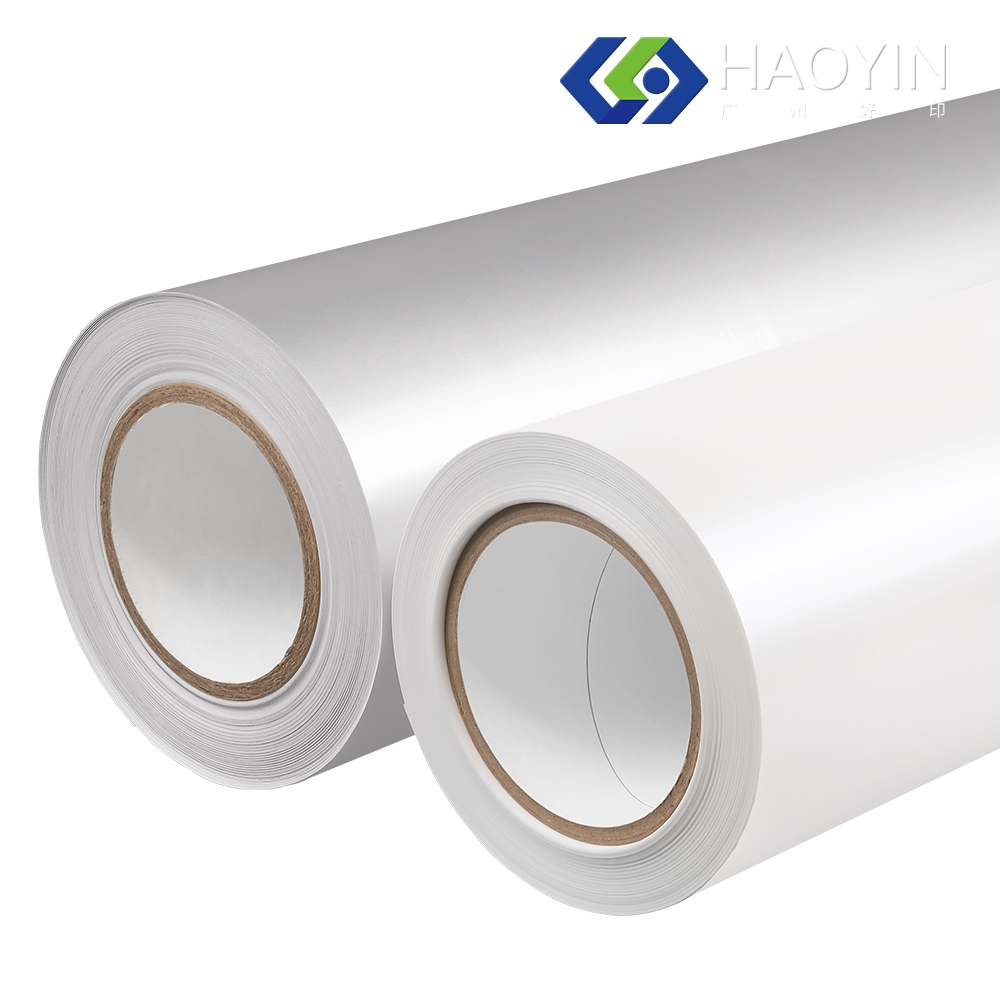
The garment printing industry has witnessed significant evolution in recent years, with new technologies challenging traditional methods. Two prominent techniques that have captured the attention of commercial garment producers are Direct-to-Film (DTF) printing and Heat Transfer Vinyl (HTV) application. Both methods offer unique advantages for businesses looking to expand their printing capabilities, but understanding their differences is crucial for making informed decisions. DTF transfer film technology represents a revolutionary approach to garment decoration, allowing for vibrant, full-color designs on various fabric types. Meanwhile, HTV remains a trusted method for creating durable, professional-looking graphics with excellent longevity. Commercial garment producers must evaluate factors such as production volume, design complexity, cost efficiency, and turnaround time when choosing between these technologies.
Understanding DTF Technology and Its Commercial Applications
Core Principles of DTF Printing Process
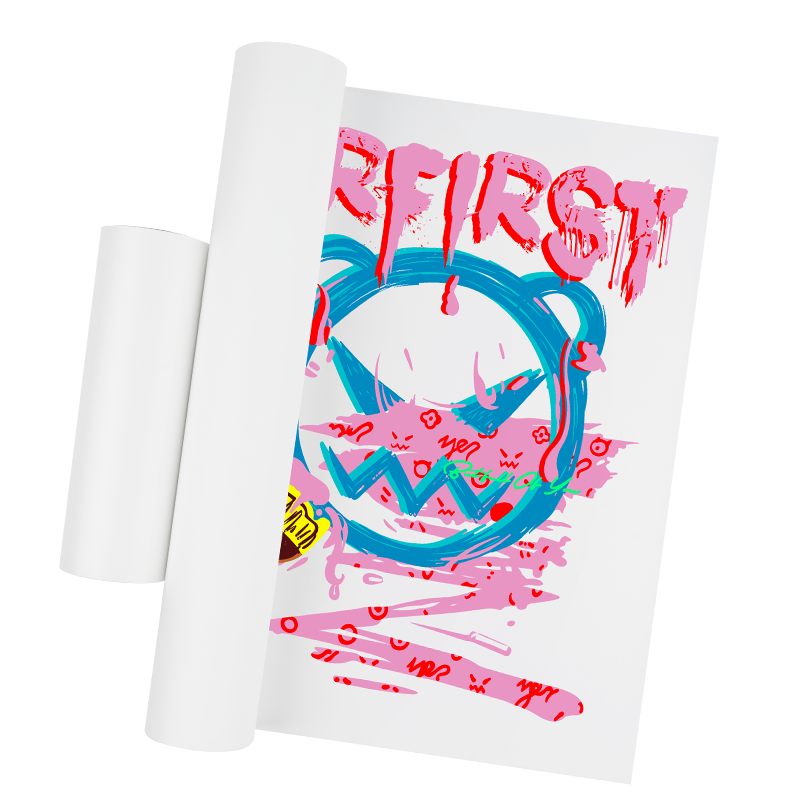
Direct-to-Film printing operates on a fundamentally different principle compared to traditional garment decoration methods. The process begins with printing designs directly onto a specialized DTF transfer film using water-based inks. These films are engineered to receive and hold vibrant colors while maintaining excellent adhesion properties during the transfer process. The printed design is then coated with a hot-melt adhesive powder, which bonds to the ink during a curing phase. This creates a complete transfer that can be applied to garments using heat and pressure.
The versatility of DTF transfer film makes it particularly attractive for commercial operations handling diverse order requirements. Unlike screen printing, which requires separate screens for each color, DTF technology can reproduce complex, multi-colored designs in a single pass. This capability significantly reduces setup time and material waste, making it economically viable for both small batch orders and large production runs. The technology also eliminates the need for weeding excess material, a time-consuming step required in vinyl cutting processes.
Equipment Requirements and Investment Considerations
Implementing DTF technology requires specific equipment investments that commercial garment producers must carefully evaluate. The primary components include a DTF printer capable of handling specialized inks, a powder shaker for applying adhesive coating, a curing oven for setting the adhesive, and a heat press for final transfer application. While the initial investment may seem substantial, the equipment can handle significant production volumes with minimal ongoing maintenance requirements.
Modern DTF systems are designed with commercial efficiency in mind, featuring automatic powder application systems and precise temperature controls. These advancements reduce labor requirements and minimize the potential for user error, critical factors in maintaining consistent quality standards. The scalability of DTF operations allows businesses to start with smaller systems and expand capacity as demand grows, making it an attractive option for growing commercial enterprises.
HTV Technology and Its Role in Commercial Garment Production
Traditional Heat Transfer Vinyl Characteristics
Heat Transfer Vinyl has established itself as a reliable method for commercial garment decoration, particularly for designs requiring solid colors and clean, professional appearances. HTV materials consist of colored vinyl films with pressure-sensitive adhesive backing, designed to bond permanently to fabric fibers under heat and pressure. The technology offers excellent durability, with properly applied HTV transfers maintaining their appearance and adhesion through numerous wash cycles.
Commercial HTV applications excel in producing corporate logos, team uniforms, and promotional apparel where color consistency and professional appearance are paramount. The material's inherent opacity provides excellent coverage over dark fabrics without requiring special pretreatments or white base layers. This characteristic makes HTV particularly valuable for businesses serving corporate clients who demand consistent brand representation across their apparel programs.
Production Workflow and Efficiency Factors
The HTV production workflow involves design creation, cutting vinyl materials using precision plotters, weeding excess material, and applying transfers using heat presses. While this process requires more manual intervention compared to DTF transfer film applications, it offers predictable results and minimal equipment complexity. Experienced operators can achieve high production rates, particularly when working with standardized designs and established color palettes.
Commercial HTV operations benefit from the technology's immediate application capability, eliminating curing times and allowing for instant quality assessment. This advantage proves valuable in rush order situations where quick turnaround times are essential. Additionally, HTV materials have extended shelf lives when properly stored, reducing waste concerns and inventory management challenges common in commercial printing operations.
Comparative Analysis of Production Costs and Efficiency
Material Cost Considerations and Waste Factors
Understanding the true cost implications of DTF transfer film versus HTV requires comprehensive analysis beyond initial material prices. DTF operations typically achieve higher material utilization rates, as the printing process generates minimal waste compared to HTV weeding procedures. Complex designs with intricate details often result in significant vinyl waste, particularly when multiple colors are required. Commercial producers frequently find that DTF transfer film provides better cost efficiency for detailed, multi-colored designs despite potentially higher per-unit material costs.
Labor costs represent another critical factor in the economic comparison between these technologies. DTF processes require less manual intervention once printing begins, allowing operators to manage multiple projects simultaneously. HTV production demands hands-on attention throughout the cutting, weeding, and application phases, potentially limiting operator productivity during peak demand periods. These labor efficiency differences can significantly impact overall production costs in commercial environments.
Production Volume Impact on Cost Effectiveness
The relationship between production volume and cost effectiveness varies significantly between DTF and HTV technologies. DTF transfer film systems typically demonstrate better economies of scale for large volume orders, as setup costs are amortized across greater quantities. The ability to print multiple designs simultaneously on large format films maximizes material utilization and reduces per-unit production time. High-volume commercial operations often find DTF technology provides superior cost efficiency when producing hundreds or thousands of identical items.
Conversely, HTV technology may prove more cost-effective for smaller batch orders, particularly when using established designs and standard colors. The elimination of printing setup time and immediate application capability can provide economic advantages for quick-turn orders. Commercial producers serving diverse markets often maintain both technologies to optimize production costs across varying order types and volumes.
Quality Comparison and Durability Standards
Print Quality and Color Reproduction Capabilities
The quality standards achievable through DTF transfer film technology often surpass traditional HTV methods, particularly for complex designs requiring photographic reproduction or gradient effects. DTF printing can achieve resolution levels exceeding 300 DPI, enabling reproduction of fine details and smooth color transitions that would be impossible with cut vinyl materials. This capability opens new market opportunities for commercial producers serving clients with sophisticated design requirements.
Color accuracy and consistency represent additional quality advantages of DTF systems. Modern DTF printers utilize advanced color management systems to ensure consistent reproduction across print runs, critical for commercial operations serving brand-conscious clients. The water-based inks used in DTF applications provide excellent color vibrancy while maintaining environmental compliance standards increasingly important in commercial markets.
Durability Testing and Long-term Performance
Durability testing reveals important differences between DTF transfer film and HTV applications that commercial producers must consider when establishing quality guarantees. Properly applied HTV transfers typically demonstrate excellent wash fastness and abrasion resistance, often lasting through hundreds of wash cycles without significant degradation. The mechanical bond formed between vinyl and fabric creates a durable connection that withstands normal garment care procedures.
DTF transfers achieve durability through chemical bonding between the adhesive system and fabric fibers, creating flexibility that moves with the garment during wear and washing. Recent advances in DTF transfer film formulations have significantly improved wash resistance and cracking prevention, making them suitable for commercial applications requiring long-term durability. Independent testing often shows comparable or superior performance to traditional methods when proper application procedures are followed.
Market Applications and Industry Suitability
Target Market Segments and Customer Requirements
Different market segments present varying requirements that influence the choice between DTF transfer film and HTV technologies. The promotional products industry often favors DTF solutions for their ability to reproduce complex logos and photographic images with exceptional detail. Corporate clients increasingly demand sophisticated designs that showcase their brand identity with professional quality, making DTF technology particularly attractive for business-to-business commercial operations.
Sports apparel markets present unique requirements that both technologies can address effectively. Team uniforms requiring bold, solid colors and numbers often benefit from HTV's opacity and durability characteristics. However, specialty athletic wear featuring complex designs, sponsor logos, and gradient effects typically requires DTF capabilities to achieve desired visual impact. Commercial producers serving athletic markets often utilize both technologies to address diverse customer requirements effectively.
Industry Trend Analysis and Future Considerations
Current industry trends indicate growing demand for personalization and short-run production capabilities that favor DTF transfer film technology. E-commerce platforms and print-on-demand business models require production flexibility that DTF systems provide more effectively than traditional methods. The ability to produce single units economically while maintaining quality standards aligns with evolving consumer expectations and market dynamics.
Environmental considerations increasingly influence technology selection decisions in commercial garment production. DTF systems utilizing water-based inks and reduced waste generation appeal to environmentally conscious businesses and consumers. Regulatory pressures regarding volatile organic compounds and waste disposal may further favor DTF adoption in commercial markets where compliance costs impact operational viability.
Implementation Strategies for Commercial Operations
Technology Integration and Workflow Optimization
Successful implementation of DTF transfer film technology requires careful planning and workflow integration to maximize operational efficiency. Commercial producers must evaluate existing equipment compatibility, space requirements, and staff training needs before committing to technology changes. The transition period typically involves running parallel operations while staff develops proficiency with new processes and quality standards are established.
Workflow optimization strategies for DTF operations focus on batch processing and production scheduling to maximize equipment utilization. The ability to print multiple orders simultaneously on large format films requires coordination between design preparation, printing, and finishing operations. Commercial producers often find that implementing production management software helps coordinate complex workflows and maintain delivery schedules during peak demand periods.
Staff Training and Quality Control Procedures
Training requirements differ significantly between DTF transfer film and HTV technologies, influencing implementation timelines and operational readiness. DTF operations require understanding of color management, film handling procedures, and adhesive application techniques that may be unfamiliar to staff experienced with traditional methods. Comprehensive training programs ensure consistent quality standards and minimize material waste during the learning curve period.
Quality control procedures for DTF applications must address unique aspects such as adhesive coverage uniformity, curing temperature verification, and transfer pressure consistency. Establishing standardized procedures and documentation helps maintain quality standards across multiple operators and production shifts. Regular equipment calibration and maintenance schedules prevent quality variations that could impact customer satisfaction and business reputation.
FAQ
What are the main advantages of DTF transfer film over HTV for commercial production
DTF transfer film offers several key advantages for commercial garment production, including superior color reproduction capabilities, reduced material waste, and the ability to handle complex multi-colored designs efficiently. The technology eliminates weeding time required in HTV processes and can produce photographic quality images with gradient effects that are impossible with cut vinyl materials. Additionally, DTF systems can handle varying order sizes more economically, making them ideal for businesses serving diverse customer requirements.
How do setup costs compare between DTF and HTV systems for commercial operations
Initial equipment investment for DTF systems typically ranges higher than basic HTV setups due to specialized printing equipment, curing ovens, and powder application systems. However, DTF technology often provides better return on investment for operations handling diverse design requirements and higher volume orders. HTV systems require lower initial investment but may need multiple vinyl plotters and heat presses to achieve comparable production capacity, potentially equalizing total equipment costs.
Which technology provides better durability for commercial garment applications
Both DTF transfer film and HTV technologies can achieve excellent durability when properly applied, but they achieve longevity through different mechanisms. HTV creates mechanical bonds that resist abrasion and maintain color integrity through extensive wash cycles. DTF transfers achieve durability through chemical bonding that provides flexibility and crack resistance. Modern DTF formulations have significantly improved wash fastness, often matching or exceeding traditional HTV performance in standardized testing.
Can DTF and HTV technologies be used together in the same commercial operation
Many successful commercial garment producers utilize both DTF transfer film and HTV technologies to optimize production efficiency and serve diverse market segments effectively. This hybrid approach allows businesses to select the most appropriate technology for each specific order based on design complexity, volume requirements, and customer preferences. Maintaining both capabilities provides operational flexibility and competitive advantages in dynamic market conditions where customer requirements vary significantly.
Table of Contents
- Understanding DTF Technology and Its Commercial Applications
- HTV Technology and Its Role in Commercial Garment Production
- Comparative Analysis of Production Costs and Efficiency
- Quality Comparison and Durability Standards
- Market Applications and Industry Suitability
- Implementation Strategies for Commercial Operations
-
FAQ
- What are the main advantages of DTF transfer film over HTV for commercial production
- How do setup costs compare between DTF and HTV systems for commercial operations
- Which technology provides better durability for commercial garment applications
- Can DTF and HTV technologies be used together in the same commercial operation