 EN
EN


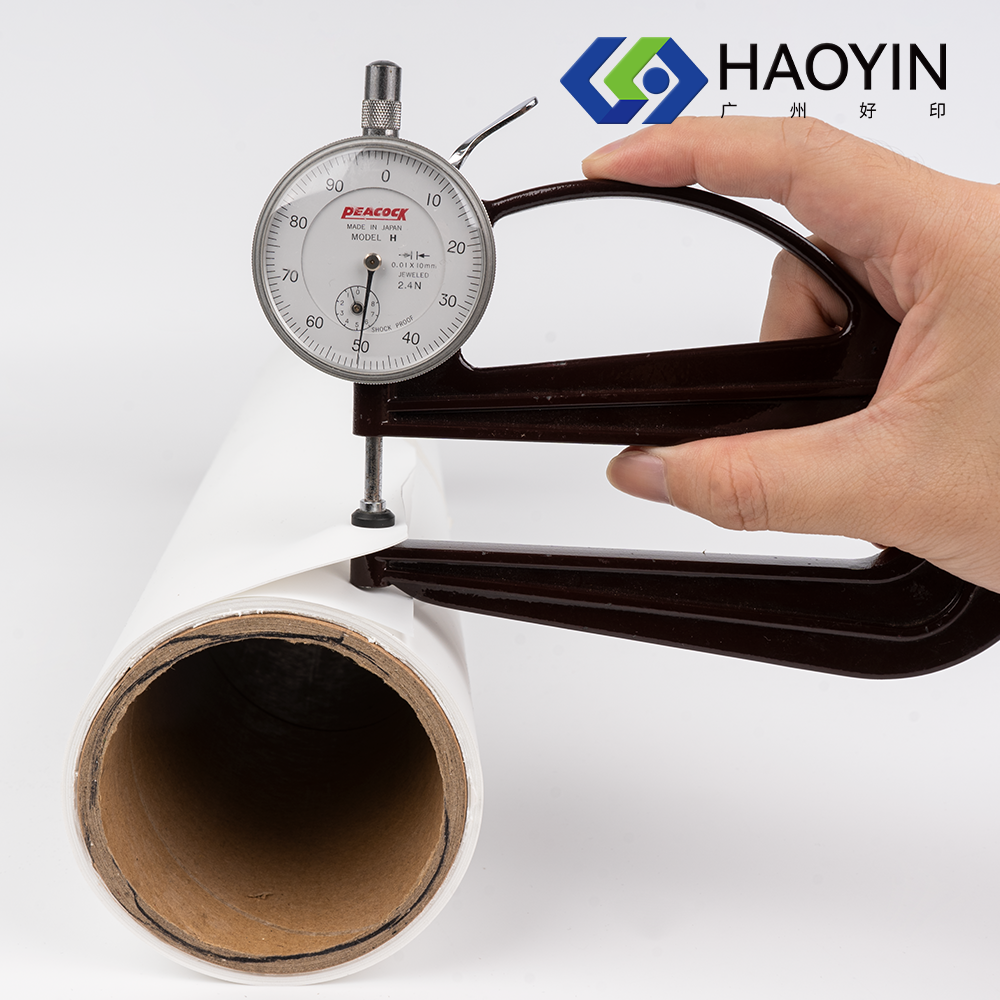
When planning large-scale apparel decoration projects, selecting the right heat transfer vinyl becomes a critical decision that impacts both production efficiency and final product quality. Business owners, print shop managers, and promotional product companies must navigate numerous considerations when purchasing heat transfer vinyl in bulk quantities. Understanding the key factors that distinguish premium materials from standard options can mean the difference between successful campaigns and costly production delays.
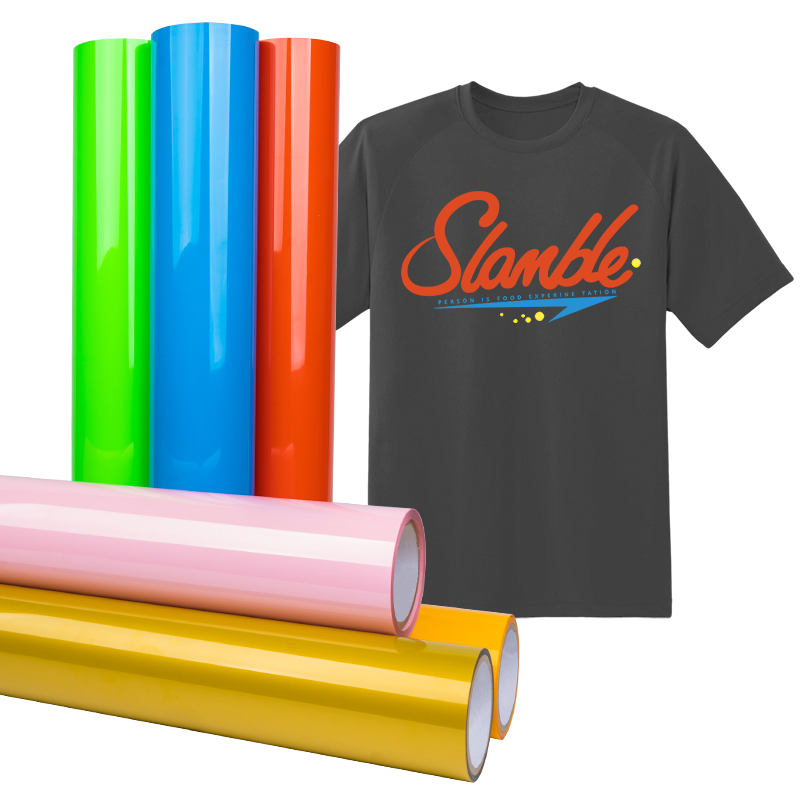
The commercial heat transfer vinyl market offers extensive variety in terms of material composition, adhesive formulations, and performance characteristics. Professional decorators recognize that bulk purchasing decisions require thorough evaluation of multiple technical specifications beyond basic cost considerations. Smart procurement strategies focus on material durability, application versatility, and consistent performance across diverse fabric types. These factors directly influence production throughput, customer satisfaction, and long-term business profitability in competitive markets.
Material Quality Assessment for Bulk Heat Transfer Vinyl
Substrate Construction and Durability Standards
Premium heat transfer vinyl incorporates advanced polymer formulations that maintain flexibility and adhesion strength through repeated washing cycles. Professional-grade materials typically feature multi-layer construction with specialized carrier films that facilitate precise cutting and weeding operations. The base substrate thickness directly impacts both cutting performance and final appearance, with optimal materials balancing durability against excessive bulk that could compromise garment drape and comfort.
Industrial applications demand heat transfer vinyl that withstands commercial laundering processes without delamination or color degradation. Testing protocols should evaluate adhesion strength after exposure to high-temperature wash cycles, chlorine bleach solutions, and industrial drying equipment. Quality materials demonstrate consistent performance metrics across temperature ranges typically encountered in commercial textile processing facilities.
Adhesive System Performance Characteristics
The adhesive layer represents the most critical component determining long-term performance of heat transfer vinyl applications. Advanced formulations utilize pressure-sensitive adhesives that activate at specific temperature thresholds while maintaining repositioning capabilities during initial application. Professional decorators prioritize materials offering wide application temperature windows that accommodate various heat press configurations and operator preferences.
Adhesive compatibility extends beyond basic fabric bonding to include specialized textile treatments and finishes commonly encountered in commercial apparel production. Quality heat transfer vinyl maintains consistent adhesion across moisture-wicking fabrics, flame-retardant materials, and performance textiles treated with antimicrobial compounds. Bulk orders should include samples for compatibility testing across the full range of intended substrate materials.
Production Efficiency Considerations for Commercial Operations
Cutting and Weeding Performance Optimization
Commercial heat transfer vinyl operations depend heavily on consistent cutting characteristics that minimize blade wear and reduce setup time between different material rolls. Premium materials feature uniform thickness tolerances and carrier film compositions that produce clean, precise cuts across intricate design elements. Professional-grade heat transfer vinyl typically incorporates specialized release coatings that facilitate smooth weeding operations while preventing premature adhesive activation.
Bulk purchasing decisions should prioritize materials that maintain cutting consistency throughout entire roll lengths, eliminating production delays caused by frequent blade adjustments or inconsistent weeding performance. Advanced heat transfer vinyl formulations include carrier systems designed specifically for high-speed automated cutting equipment, supporting increased production volumes without compromising precision or material waste.
Application Temperature and Time Requirements
Efficient production workflows require heat transfer vinyl materials that accommodate standardized application parameters across diverse project requirements. Professional decorators benefit from materials offering flexible temperature ranges that reduce setup complexity when switching between different fabric types or garment constructions. Optimal materials activate reliably within narrow time windows that support consistent production pacing.
Commercial operations frequently process mixed orders containing various fabric weights and fiber compositions that traditionally require different application settings. Advanced heat transfer vinyl systems accommodate these variations through broad application parameter windows that maintain consistent results across diverse substrate materials. This versatility reduces setup time and minimizes the risk of application errors during high-volume production runs.
Cost Analysis and Value Assessment for Bulk Purchasing
Total Cost of Ownership Calculations
Effective bulk purchasing strategies extend beyond initial material costs to encompass total ownership expenses including waste factors, production efficiency impacts, and quality-related customer service issues. Premium heat transfer vinyl typically demonstrates superior yield rates through reduced material waste during cutting and application processes. Higher-quality materials also minimize rework requirements and warranty claims that can significantly impact overall project profitability.
Professional decorators calculate comprehensive cost models that include labor efficiency factors, equipment wear considerations, and customer retention impacts associated with material performance quality. Advanced heat transfer vinyl formulations often justify premium pricing through improved production throughput and reduced quality control requirements. Bulk orders should include detailed performance specifications that enable accurate total cost comparisons across different supplier options.
Volume Pricing Structures and Contract Terms
Commercial heat transfer vinyl suppliers typically offer tiered pricing structures that provide significant cost advantages for large-volume commitments. Professional buyers negotiate contracts that balance inventory investment against material cost savings while maintaining flexibility for seasonal demand variations. Optimal agreements include provisions for partial shipments that support just-in-time inventory management without sacrificing volume pricing benefits.
Long-term supplier relationships enable access to exclusive heat transfer vinyl formulations and priority allocation during supply constraint periods. Established commercial decorators leverage purchasing volume to secure technical support services, custom color matching capabilities, and expedited delivery options that provide competitive advantages in responsive markets. Contract terms should include performance guarantees and quality consistency clauses that protect against material specification changes.
Quality Control and Testing Protocols for Large Orders
Incoming Material Inspection Procedures
Professional heat transfer vinyl operations implement systematic inspection protocols that verify material quality and consistency across bulk shipments. Standard procedures include visual examination for surface defects, measurement verification of thickness tolerances, and adhesion testing using standardized substrate samples. Quality control documentation provides traceability for batch-specific performance characteristics that support consistent production results.
Advanced inspection systems incorporate automated measurement equipment that evaluates critical material properties including tensile strength, elongation characteristics, and adhesive activation temperatures. Professional decorators maintain detailed quality records that enable rapid identification of material performance trends and facilitate supplier feedback for continuous improvement initiatives. Comprehensive testing protocols ensure that bulk heat transfer vinyl orders meet established performance standards before entering production workflows.
Performance Validation and Acceptance Criteria
Bulk heat transfer vinyl purchases require clearly defined acceptance criteria that specify minimum performance standards for cutting precision, application characteristics, and durability requirements. Professional operations establish standardized test protocols that evaluate material performance under actual production conditions using representative fabric samples and typical application parameters. Validation testing should include accelerated aging studies that predict long-term performance characteristics.
Commercial decorators implement statistical sampling procedures that ensure representative material evaluation across large shipment quantities. Quality acceptance protocols include provisions for material rejection and replacement when performance criteria are not met consistently. Professional purchasing agreements specify detailed testing methodologies and acceptance thresholds that protect against receiving substandard heat transfer vinyl materials that could compromise production schedules or customer satisfaction levels.
Storage and Inventory Management Best Practices
Environmental Control Requirements
Proper storage conditions significantly impact heat transfer vinyl performance characteristics and shelf life, particularly for bulk quantities that may remain in inventory for extended periods. Professional storage facilities maintain controlled temperature and humidity levels that prevent adhesive degradation and carrier film deformation. Optimal storage environments typically range between 60-75°F with relative humidity levels below 50% to ensure consistent material performance.
Commercial operations implement rotation systems that ensure older heat transfer vinyl inventory is utilized before newer shipments to prevent age-related performance deterioration. Professional storage protocols include regular inspection schedules that identify potential quality issues before materials enter production workflows. Advanced inventory management systems track batch numbers and storage durations to facilitate quality control and enable rapid response to performance issues.
Inventory Optimization and Demand Forecasting
Effective bulk purchasing strategies balance inventory investment against stockout risks through sophisticated demand forecasting models that account for seasonal variations and customer ordering patterns. Professional decorators analyze historical consumption data to optimize heat transfer vinyl inventory levels that support responsive customer service while minimizing carrying costs. Advanced planning systems incorporate lead time variability and supplier reliability factors into safety stock calculations.
Commercial operations benefit from diversified heat transfer vinyl inventory strategies that include multiple color options and material specifications to support diverse customer requirements. Optimal inventory management balances bulk purchasing advantages against the risk of obsolescence for specialized materials with limited application ranges. Professional systems include automated reorder triggers and supplier communication protocols that ensure continuous material availability during peak production periods.
Supplier Selection and Relationship Management
Technical Support and Service Capabilities
Successful bulk heat transfer vinyl partnerships extend beyond basic material supply to include comprehensive technical support services that enhance production efficiency and product quality. Professional suppliers provide application guidance, troubleshooting assistance, and custom material development services that support business growth and competitive differentiation. Advanced supplier relationships include access to proprietary formulations and exclusive color options not available through standard distribution channels.
Commercial decorators prioritize suppliers offering responsive technical support teams with extensive heat transfer vinyl application experience and problem-solving capabilities. Quality suppliers maintain detailed application databases and provide customized recommendations based on specific substrate requirements and production equipment configurations. Professional partnerships include regular performance reviews and continuous improvement initiatives that optimize material specifications for specific application requirements.
Supply Chain Reliability and Backup Strategies
Commercial heat transfer vinyl operations require reliable supply chains that ensure consistent material availability during peak demand periods and supply disruption events. Professional purchasing strategies include qualified backup suppliers and strategic inventory buffers that protect against production interruptions. Advanced supply chain management incorporates multiple geographic sources and diversified transportation options that minimize delivery risks.
Quality supplier relationships include transparent communication regarding production capacity, raw material availability, and potential delivery delays that could impact customer commitments. Professional partnerships feature collaborative planning processes that align supplier production schedules with customer demand forecasts to optimize inventory investment and delivery performance. Comprehensive agreements include contingency provisions and alternative sourcing arrangements that ensure business continuity during supply chain disruptions.
FAQ
What is the typical shelf life of bulk heat transfer vinyl when stored properly
Properly stored heat transfer vinyl typically maintains optimal performance characteristics for 12-24 months when kept in controlled temperature and humidity environments. Professional storage conditions between 60-75°F with humidity below 50% help preserve adhesive properties and prevent carrier film degradation. Regular rotation of inventory ensures materials are used within their peak performance window, and most quality suppliers provide manufacturing date codes to facilitate proper inventory management.
How do I determine the right adhesive strength for different fabric types in bulk orders
Adhesive strength selection depends on fabric fiber content, construction weight, and intended end-use applications. Cotton and cotton blends typically work well with standard adhesive formulations, while performance fabrics and moisture-wicking materials may require specialized low-temperature or enhanced-bond adhesives. Professional suppliers provide compatibility charts and sample materials for testing across your specific substrate range before committing to large quantity purchases.
What quality control measures should I implement when receiving large heat transfer vinyl shipments
Implement systematic inspection protocols including visual examination for surface defects, thickness measurement verification, and adhesion testing using representative fabric samples. Professional operations maintain detailed batch records and perform statistical sampling across shipment quantities to ensure consistent quality. Establish clear acceptance criteria with suppliers and document any performance variations to support quality improvement initiatives and warranty claims if needed.
How can I optimize cutting and weeding efficiency with bulk heat transfer vinyl materials
Select heat transfer vinyl materials with consistent thickness tolerances and specialized carrier films designed for your specific cutting equipment. Maintain sharp blades and proper cutting pressure settings, and prioritize materials offering wide weeding windows that accommodate production workflow timing. Professional operations test cutting parameters with sample materials before processing large quantities and maintain documented settings for different material specifications to ensure consistent results.
Table of Contents
- Material Quality Assessment for Bulk Heat Transfer Vinyl
- Production Efficiency Considerations for Commercial Operations
- Cost Analysis and Value Assessment for Bulk Purchasing
- Quality Control and Testing Protocols for Large Orders
- Storage and Inventory Management Best Practices
- Supplier Selection and Relationship Management
-
FAQ
- What is the typical shelf life of bulk heat transfer vinyl when stored properly
- How do I determine the right adhesive strength for different fabric types in bulk orders
- What quality control measures should I implement when receiving large heat transfer vinyl shipments
- How can I optimize cutting and weeding efficiency with bulk heat transfer vinyl materials