 EN
EN


The signage and textile customization industry has witnessed remarkable growth in recent years, with businesses and professionals seeking reliable materials that deliver consistent results. Among the various materials available for heat transfer applications, PU heat transfer vinyl stands out as a premium solution that combines durability, flexibility, and professional-grade performance. This advanced material has revolutionized how professionals approach custom apparel, promotional products, and industrial marking applications across multiple sectors.
Professional applications demand materials that can withstand rigorous use while maintaining their appearance and adhesive properties over extended periods. PU heat transfer vinyl meets these demanding requirements through its unique polyurethane composition, which provides superior stretch recovery, excellent adhesion characteristics, and resistance to environmental factors that typically compromise lesser materials. Understanding the technical specifications and application methods of this material is crucial for professionals who require consistent, high-quality results in their heat transfer projects.
Understanding PU Heat Transfer Vinyl Technology
Polyurethane Composition and Properties
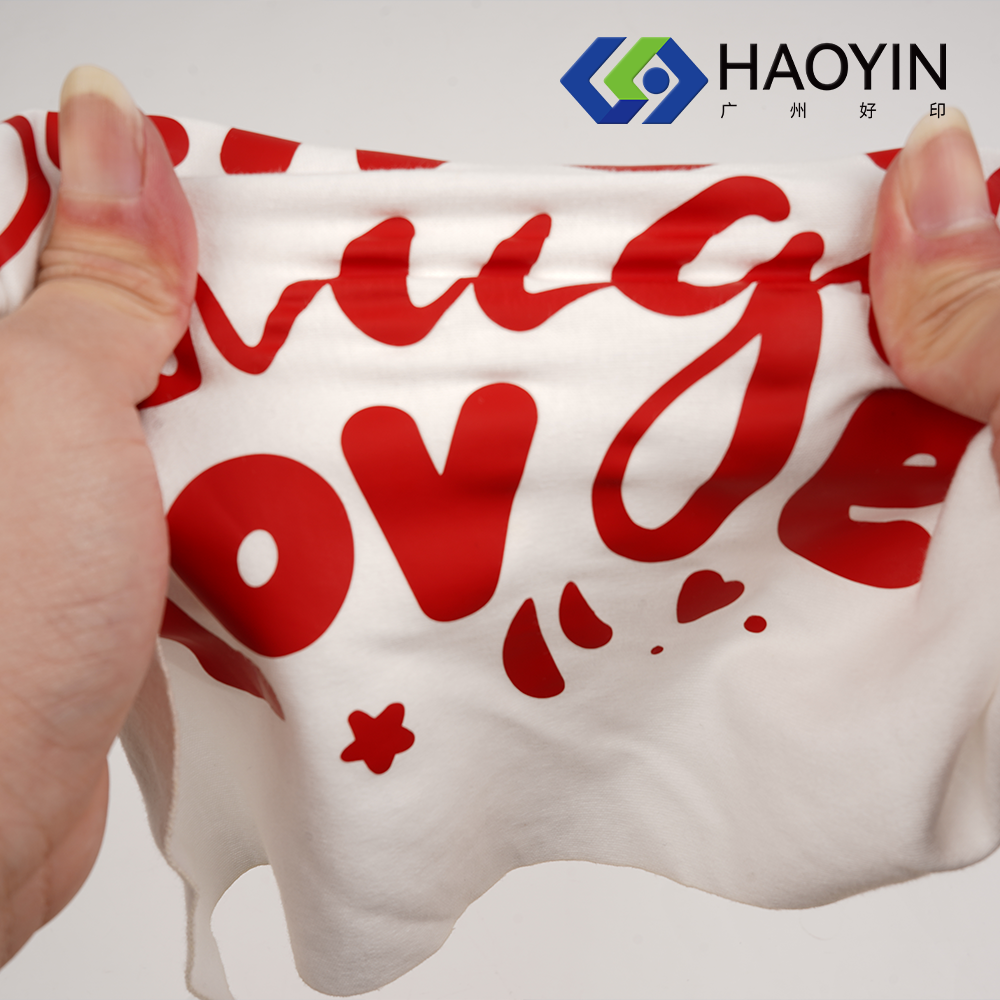
The foundation of PU heat transfer vinyl lies in its sophisticated polyurethane formulation, which distinguishes it from standard PVC-based alternatives. This advanced polymer structure provides enhanced elasticity and memory properties, allowing the material to stretch significantly without losing its original dimensions when the stress is removed. The polyurethane matrix also contributes to superior tear resistance and longevity, making it ideal for applications where the finished product will experience regular washing, stretching, or environmental exposure.
The molecular structure of PU heat transfer vinyl enables it to form stronger bonds with fabric substrates compared to conventional vinyl materials. This enhanced bonding capability results from the polyurethane's ability to penetrate slightly into the fabric fibers during the heat application process, creating a mechanical bond in addition to the adhesive bond. This dual bonding mechanism significantly reduces the likelihood of edge lifting, cracking, or delamination that can occur with inferior materials over time.
Advanced Manufacturing Processes
Modern PU heat transfer vinyl production involves sophisticated manufacturing techniques that ensure consistent thickness, adhesive distribution, and surface properties across entire rolls. The manufacturing process begins with precision mixing of polyurethane components, followed by controlled casting onto release liners under temperature and humidity-controlled conditions. This careful process control eliminates variations that could affect cutting performance or heat transfer results.
Quality control measures throughout the manufacturing process include continuous thickness monitoring, adhesive strength testing, and color consistency verification. These stringent standards ensure that each batch of PU heat transfer vinyl meets professional specifications for dimensional stability, cutting precision, and transfer reliability. The result is a material that performs predictably across different cutting systems, heat press equipment, and substrate types.
Professional Applications and Industry Standards
Commercial Textile Customization
In the commercial textile industry, PU heat transfer vinyl has become the preferred choice for creating durable, professional-looking customized apparel and promotional products. Its superior stretch properties make it particularly valuable for athletic wear, where garments must accommodate significant movement and stretching without compromising the applied graphics. The material's ability to maintain its appearance after repeated washing cycles makes it ideal for uniforms, corporate apparel, and promotional items that require long-term durability.
Professional screen printing and embroidery shops increasingly rely on PU heat transfer vinyl for quick-turnaround projects and small-batch customization work. The material's ease of cutting and weeding allows for intricate designs that would be challenging or cost-prohibitive to achieve through traditional screen printing methods. This versatility has opened new revenue streams for businesses while providing customers with high-quality customization options at competitive price points.
Industrial Marking and Identification
Industrial applications of PU heat transfer vinyl extend beyond decorative uses to include functional marking and identification systems. Manufacturing facilities use this material for creating durable labels, safety markings, and product identification tags that must withstand harsh environmental conditions. The material's resistance to chemicals, UV radiation, and temperature extremes makes it suitable for outdoor applications and industrial environments where standard vinyl materials would quickly deteriorate.
The precision cutting capabilities of modern PU heat transfer vinyl enable the creation of detailed barcodes, serial numbers, and technical specifications that remain readable throughout the product's lifecycle. This reliability is crucial for industries such as aerospace, automotive, and medical device manufacturing, where permanent identification and traceability are regulatory requirements. The material's ability to maintain adhesion and legibility under extreme conditions provides peace of mind for manufacturers operating in regulated environments.
Technical Specifications and Performance Characteristics
Adhesive Properties and Bonding Strength
The adhesive system used in professional-grade PU heat transfer vinyl is engineered to provide optimal bonding across a wide range of fabric types while maintaining removability when necessary. The pressure-sensitive adhesive activates at relatively low temperatures, typically between 280-320°F, making it compatible with standard heat press equipment while minimizing the risk of fabric damage or scorching. This temperature range also ensures complete adhesive activation without requiring excessive dwell times that could reduce productivity.
Bonding strength testing reveals that properly applied PU heat transfer vinyl can withstand wash cycles equivalent to several years of normal use without significant degradation. The material demonstrates excellent resistance to both hot water washing and commercial laundering processes, including the aggressive chemicals and high temperatures used in industrial laundry facilities. This durability makes it particularly valuable for applications such as hospitality uniforms, healthcare scrubs, and industrial workwear that require frequent laundering.
Dimensional Stability and Stretch Recovery
One of the most significant advantages of PU heat transfer vinyl is its exceptional dimensional stability under stress. Laboratory testing demonstrates that the material can stretch up to 300% of its original length and still recover to within 5% of its initial dimensions when the stress is removed. This remarkable stretch recovery property prevents the distortion and permanent deformation that commonly occurs with standard vinyl materials when applied to stretchy fabrics or garments that experience significant movement.
The dimensional stability of PU heat transfer vinyl extends to temperature variations as well. Unlike some thermoplastic materials that can become brittle in cold conditions or excessively soft in high temperatures, polyurethane maintains its flexibility and strength across a wide temperature range. This characteristic ensures consistent performance whether the finished product is used in arctic conditions or tropical climates, making it suitable for global applications and diverse market requirements.
Cutting and Application Techniques
Precision Cutting Methods
Achieving optimal results with PU heat transfer vinyl requires understanding the material's cutting characteristics and selecting appropriate blade types and cutting parameters. The material's polyurethane composition requires sharper blade angles compared to standard PVC vinyl, typically 45-degree blades for most applications, with 60-degree blades reserved for extremely detailed or small text designs. Proper blade selection ensures clean cuts without material buildup on the blade tip that could affect cutting precision.
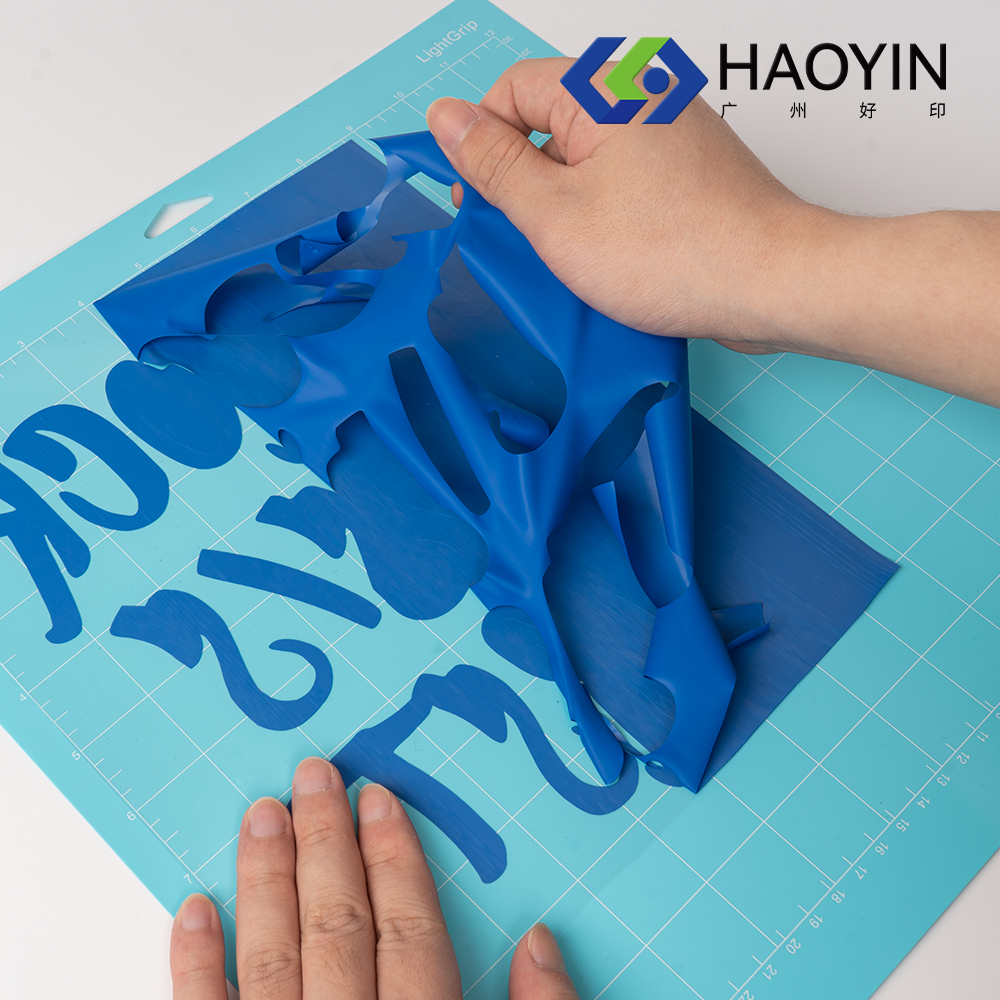
Cutting speed and pressure settings must be calibrated for the specific thickness and composition of the PU heat transfer vinyl being used. Generally, slower cutting speeds with moderate pressure produce the best results, allowing the blade to cleanly separate the material without causing micro-tears or rough edges that could compromise the finished appearance. Modern cutting plotters often include pre-programmed settings for various PU heat transfer vinyl brands, simplifying the setup process for operators while ensuring consistent results.
Heat Transfer Application Process
The heat transfer application process for PU heat transfer vinyl requires precise control of temperature, pressure, and timing to achieve optimal adhesion and appearance. Pre-heating the substrate fabric to remove moisture and wrinkles ensures uniform contact between the vinyl and the fabric surface, preventing air pockets or uneven adhesion that could lead to premature failure. The pre-heating phase also helps stabilize synthetic fabrics that might shrink or distort under the application temperature.
During the actual transfer process, consistent pressure distribution across the entire design area is crucial for achieving uniform adhesion. Professional heat presses with even pressure distribution and accurate temperature control provide the most reliable results, though manual techniques can be successful when proper procedures are followed. The cooling phase after heat application is equally important, as premature removal of the carrier sheet while the adhesive is still soft can cause design distortion or incomplete transfer.
Quality Control and Testing Protocols
Adhesion Testing Standards
Professional applications of PU heat transfer vinyl require rigorous quality control testing to ensure consistent performance across different batches and production runs. Industry-standard adhesion testing involves subjecting samples to controlled peel tests that measure the force required to remove the material from various fabric types. These tests help establish baseline performance parameters and identify any variations that might affect field performance.
Wash fastness testing simulates extended use conditions by subjecting applied PU heat transfer vinyl samples to multiple wash and dry cycles under controlled conditions. These accelerated aging tests can predict long-term performance and identify potential failure modes before materials are released for commercial use. Professional users benefit from this testing data by understanding the expected service life and maintenance requirements for their specific applications.
Color Consistency and UV Resistance
Color matching and consistency are critical factors for professional applications, particularly when PU heat transfer vinyl must match existing brand colors or coordinate with other design elements. Advanced color management systems ensure that each production batch meets tight color tolerances, typically within Delta E values of 2.0 or less for critical color matches. This consistency is maintained through careful raw material selection, process control, and final product inspection.
UV resistance testing evaluates the material's ability to maintain color stability and physical properties when exposed to natural and artificial UV radiation. Professional-grade PU heat transfer vinyl typically includes UV stabilizers that protect against color fading and material degradation for extended periods. This protection is particularly important for outdoor applications, retail displays, and products that will experience significant sun exposure during their service life.
Cost-Benefit Analysis for Professional Use
Initial Investment Considerations
While PU heat transfer vinyl typically commands a premium price compared to standard vinyl materials, the total cost of ownership often favors the polyurethane option for professional applications. The superior durability and performance characteristics reduce warranty claims, customer complaints, and rework requirements that can significantly impact profitability. Additionally, the material's excellent cutting and weeding properties reduce labor time and waste, improving overall productivity.
The enhanced performance characteristics of PU heat transfer vinyl enable businesses to offer premium services and charge higher prices for customized products. This value proposition is particularly strong in markets where durability and professional appearance are critical factors, such as corporate apparel, athletic wear, and promotional products for prestigious brands. The ability to guarantee longer-lasting results can differentiate a service provider in competitive markets.
Long-Term Value Proposition
Long-term analysis of PU heat transfer vinyl usage reveals significant advantages in customer satisfaction and repeat business. Products created with high-quality polyurethane materials maintain their appearance and functionality longer than those made with inferior materials, leading to positive customer experiences and referral business. This reputation for quality can justify premium pricing and support business growth in professional markets.
The reduced failure rates associated with professional-grade PU heat transfer vinyl translate directly to lower warranty costs and customer service requirements. Businesses report significant reductions in remake requests and customer complaints when switching from standard vinyl to polyurethane-based materials. These operational improvements contribute to higher profit margins and more predictable business operations.
Environmental Considerations and Sustainability
Eco-Friendly Manufacturing Processes
Modern PU heat transfer vinyl production increasingly incorporates sustainable manufacturing practices and environmentally responsible material formulations. Leading manufacturers have invested in solvent-free production processes that eliminate volatile organic compound emissions while maintaining the high-performance characteristics that professionals require. These advanced manufacturing techniques also reduce waste generation and energy consumption compared to traditional vinyl production methods.
The durability advantages of PU heat transfer vinyl contribute to environmental sustainability by extending product lifecycles and reducing replacement frequency. Products that maintain their appearance and functionality longer generate less waste and require fewer resources for replacement manufacturing. This sustainability aspect is increasingly important for businesses seeking to reduce their environmental impact and meet corporate sustainability goals.
Recycling and End-of-Life Management
As environmental concerns continue to influence purchasing decisions, the recycling potential of PU heat transfer vinyl becomes an important consideration for professional users. Some manufacturers have developed take-back programs for used materials, while others are exploring chemical recycling processes that can break down polyurethane into reusable components. These initiatives support circular economy principles and help businesses meet increasingly stringent environmental regulations.
End-of-life management for products incorporating PU heat transfer vinyl requires consideration of the different materials involved, including the substrate fabric, adhesive system, and polyurethane film. Proper separation and disposal procedures ensure that recyclable components can be processed appropriately while minimizing environmental impact. Professional users increasingly factor these considerations into their material selection processes as sustainability becomes a competitive differentiator.
FAQ
What temperature and pressure settings work best for applying PU heat transfer vinyl
Most PU heat transfer vinyl applications require temperatures between 280-320°F with medium to firm pressure for 10-15 seconds. However, specific settings can vary based on the vinyl manufacturer, substrate material, and heat press equipment used. Always consult the manufacturer's instructions and conduct test applications to determine optimal settings for your specific combination of materials and equipment.
How does PU heat transfer vinyl compare to regular PVC vinyl in terms of durability
PU heat transfer vinyl significantly outperforms PVC vinyl in durability testing, particularly in stretch recovery, wash resistance, and long-term adhesion. While PVC vinyl may crack or lose adhesion after multiple wash cycles or stretching, polyurethane maintains its integrity and appearance for much longer periods. This superior performance makes PU vinyl worth the additional cost for professional applications requiring long-term durability.
Can PU heat transfer vinyl be used on all types of fabrics
PU heat transfer vinyl is compatible with most common fabric types, including cotton, polyester, cotton-polyester blends, and many synthetic athletic fabrics. However, very low-temperature sensitive materials like nylon or certain waterproof fabrics may require special application techniques or alternative materials. Always test on a small sample of the target fabric before proceeding with full production to ensure proper adhesion and appearance.
What is the shelf life of PU heat transfer vinyl and how should it be stored
Properly stored PU heat transfer vinyl typically maintains its cutting and application properties for 2-3 years from the manufacturing date. Store the material in a cool, dry environment away from direct sunlight and extreme temperatures. Keep rolls in their original packaging until use, and maintain consistent temperature and humidity conditions to prevent adhesive degradation or dimensional changes that could affect performance.
Table of Contents
- Understanding PU Heat Transfer Vinyl Technology
- Professional Applications and Industry Standards
- Technical Specifications and Performance Characteristics
- Cutting and Application Techniques
- Quality Control and Testing Protocols
- Cost-Benefit Analysis for Professional Use
- Environmental Considerations and Sustainability
-
FAQ
- What temperature and pressure settings work best for applying PU heat transfer vinyl
- How does PU heat transfer vinyl compare to regular PVC vinyl in terms of durability
- Can PU heat transfer vinyl be used on all types of fabrics
- What is the shelf life of PU heat transfer vinyl and how should it be stored