 EN
EN


Selecting the right HTV vinyl for mass production operations requires careful consideration of multiple factors that directly impact product quality, cost efficiency, and production scalability. Mass production environments demand materials that maintain consistent performance across thousands of applications while delivering reliable adhesion, durability, and visual appeal. Understanding the critical characteristics of HTV vinyl becomes essential when transitioning from small-scale projects to high-volume manufacturing where material failures can result in significant losses and customer dissatisfaction.
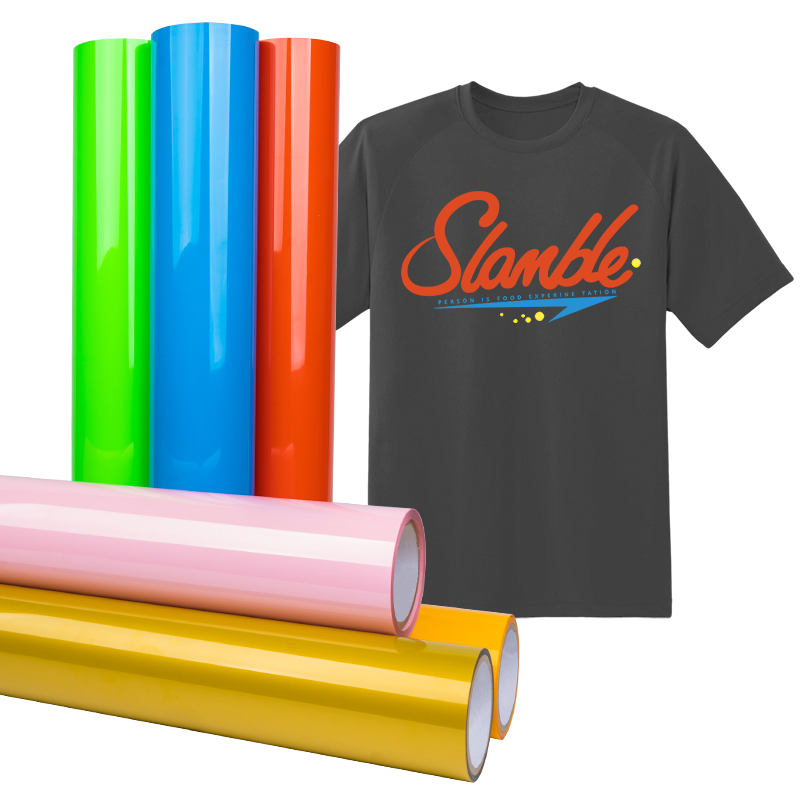
The manufacturing landscape for heat transfer vinyl continues evolving as brands seek cost-effective solutions for customized apparel, promotional products, and industrial applications. Modern production facilities require HTV vinyl that performs consistently under automated cutting systems, maintains dimensional stability during storage, and delivers predictable results across varying fabric substrates. Quality HTV vinyl serves as the foundation for successful mass production operations, influencing everything from cutting precision to final product durability.
Production managers must evaluate numerous technical specifications when sourcing HTV vinyl for large-scale operations. Material composition, adhesive properties, release characteristics, and compatibility with existing equipment all play crucial roles in determining overall production efficiency. The selection process involves balancing material costs against performance requirements while ensuring adequate supply chain reliability for sustained production volumes.
Material Composition and Performance Standards
Polymer Base Technology
The polymer foundation of HTV vinyl determines its fundamental performance characteristics including flexibility, durability, and application temperature requirements. Polyurethane-based films offer superior stretch properties and soft hand feel, making them ideal for athletic wear and fashion applications where comfort remains paramount. These materials typically require lower application temperatures and provide excellent conformability over curved surfaces and seams.
Polyvinyl chloride formulations provide excellent dimensional stability and sharp detail retention, particularly suited for graphics-intensive applications requiring precise edge definition. PVC-based HTV vinyl maintains consistent cutting performance across extended production runs while offering superior resistance to environmental factors such as moisture and UV exposure. The material selection impacts both immediate production efficiency and long-term product performance in end-use applications.
Advanced polymer blends combine multiple material technologies to achieve specific performance targets required for specialized applications. These hybrid formulations often incorporate additives that enhance cutting characteristics, improve adhesion to difficult substrates, or provide enhanced washability for commercial laundering environments. Understanding the relationship between polymer composition and performance enables informed decision-making for mass production requirements.
Adhesive System Engineering
The adhesive technology integrated into HTV vinyl directly affects bond strength, application temperature sensitivity, and long-term durability across various fabric substrates. Hot-melt adhesive systems provide immediate bonding upon cooling but may require precise temperature control to prevent substrate damage or incomplete adhesion. These systems work particularly well with synthetic fabrics and moisture-wicking materials commonly used in athletic apparel.
Pressure-sensitive adhesive formulations offer greater process flexibility by allowing repositioning during application while maintaining strong final bonds after heat activation. This technology proves beneficial in mass production environments where slight registration adjustments may be necessary to maintain quality standards. The adhesive must maintain consistent performance across the temperature ranges typically encountered in industrial heat press operations.
Cross-linking adhesive systems create chemical bonds with fabric fibers during the heat application process, resulting in superior wash durability and resistance to edge lifting. These advanced formulations require careful process control but deliver exceptional performance for products subjected to frequent laundering or harsh environmental conditions. The selection of adhesive technology should align with the intended end-use requirements and production capabilities.
Production Compatibility and Equipment Integration
Cutting System Optimization
Modern mass production facilities rely on automated cutting systems that require HTV vinyl with consistent thickness tolerances and predictable cutting characteristics. Material variations can cause blade tracking issues, inconsistent cut depths, or excessive tool wear that disrupts production schedules and increases operating costs. Quality vinyl maintains uniform thickness across the entire roll width while providing clean, precise cuts without tearing or deformation.
Blade compatibility represents another critical consideration as different HTV vinyl formulations require specific cutting tools and parameters for optimal results. Softer polyurethane materials typically work best with sharp-angled blades and moderate cutting forces, while harder PVC formulations may require different blade geometries and increased cutting pressure. Standardizing on HTV vinyl types that work with existing cutting equipment reduces setup complexity and tool inventory requirements.
Weeding characteristics significantly impact production efficiency, particularly for designs containing intricate details or small text elements. Premium HTV vinyl provides clean release of waste material without stretching or tearing the remaining design elements. Consistent release properties across different environmental conditions ensure predictable weeding performance regardless of seasonal temperature and humidity variations in the production facility.
Application Process Requirements
Heat press compatibility involves matching HTV vinyl specifications with existing application equipment capabilities including maximum temperature, pressure settings, and dwell time parameters. Industrial heat presses typically operate at higher pressures and temperatures than consumer-grade equipment, requiring HTV vinyl formulated to withstand these conditions without degradation or premature failure. Process parameters must remain within acceptable ranges to prevent fabric damage while ensuring complete vinyl activation.
Consistent application results depend on HTV vinyl that responds predictably to established process parameters across varying ambient conditions. Temperature-sensitive formulations may require environmental controls in production areas to maintain consistent results, while more stable materials provide greater process flexibility. The ability to maintain quality standards without extensive process adjustments reduces training requirements and minimizes production variations.
Automation compatibility becomes increasingly important as production volumes scale upward and labor costs continue rising. HTV vinyl must work reliably with automated feeding systems, registration equipment, and robotic application devices commonly found in high-volume facilities. Material characteristics such as static generation, dimensional stability, and surface properties all influence automation compatibility and overall system reliability.
Quality Assurance and Testing Protocols
Durability Assessment Methods
Comprehensive testing protocols help validate HTV vinyl performance before committing to large-scale production runs and significant material investments. Wash testing simulates real-world laundering conditions using standardized procedures that evaluate adhesion retention, color stability, and surface appearance after multiple wash cycles. These tests should replicate the specific laundering conditions expected for the final products including water temperature, detergent types, and mechanical action intensity.
Stretch and recovery testing determines how HTV vinyl responds to fabric movement and deformation during normal wear conditions. Materials that crack, delaminate, or lose adhesion under moderate stretching may fail prematurely in athletic wear or fitted garment applications. Standardized testing equipment provides quantitative data on elongation limits, recovery characteristics, and failure modes that inform material selection decisions.
Environmental exposure testing evaluates HTV vinyl resistance to UV radiation, moisture, temperature extremes, and chemical exposure that may occur during product use or storage. Accelerated aging protocols compress months of normal exposure into shorter test periods, revealing potential failure modes before they impact customer satisfaction. These tests prove particularly important for outdoor applications or products subjected to harsh environmental conditions.
Supply Chain Validation
Supplier qualification processes ensure consistent HTV vinyl quality across multiple production lots and extended time periods. Incoming inspection protocols should verify critical specifications including thickness tolerance, adhesion strength, cutting performance, and visual appearance standards. Statistical process control methods help identify quality trends before they result in production disruptions or customer complaints.
Batch-to-batch consistency becomes crucial for mass production operations where color matching and performance uniformity directly impact product quality. Supplier documentation should include detailed specifications, test results, and traceability information that enables rapid problem resolution if quality issues arise. Long-term supplier relationships based on consistent performance reduce supply chain risks and support stable production operations.
Alternative supplier development provides backup options for critical HTV vinyl requirements while maintaining quality standards and process compatibility. Secondary suppliers should undergo the same qualification procedures and maintain equivalent performance specifications to ensure seamless transitions if primary suppliers encounter capacity or quality issues. Diversified sourcing strategies protect against supply disruptions while maintaining competitive pricing.
Cost Optimization Strategies
Volume Purchasing Benefits
Large-scale HTV vinyl procurement enables significant cost reductions through volume discounts, reduced handling charges, and improved supplier negotiating positions. Consolidated purchasing across multiple product lines or production facilities maximizes volume leverage while reducing administrative overhead associated with supplier management. Strategic purchasing agreements often include price protection clauses that provide cost stability during periods of raw material volatility.
Inventory management strategies must balance carrying costs against potential price increases and supply availability risks. Just-in-time delivery systems minimize storage requirements and reduce working capital investment while maintaining adequate safety stock levels. Advanced planning systems help optimize order quantities and timing based on production schedules, seasonal demand patterns, and supplier lead times.
Total cost analysis should encompass all expenses associated with HTV vinyl procurement, storage, handling, and processing rather than focusing solely on material unit costs. Higher-priced materials that offer improved cutting efficiency, reduced waste rates, or enhanced durability may provide better overall value for mass production operations. Comprehensive cost modeling helps identify the most economical solutions for specific application requirements.
Waste Reduction Techniques
Optimized nesting algorithms maximize material utilization by efficiently arranging cutting patterns to minimize waste generation. Advanced software systems analyze design requirements and calculate optimal layouts that reduce scrap while maintaining production efficiency. These systems consider material width constraints, cutting tool paths, and weeding requirements to achieve maximum yield from each HTV vinyl roll.
Material recovery programs capture and reprocess waste HTV vinyl into secondary applications where performance requirements may be less stringent. Some manufacturers accept waste material for recycling into new products, reducing disposal costs while supporting environmental sustainability initiatives. Implementing waste segregation and collection systems enables participation in these programs while reducing overall material costs.
Process optimization reduces waste generation through improved cutting accuracy, better design practices, and enhanced quality control systems. Training programs help operators identify and eliminate common sources of waste while maintaining production efficiency and quality standards. Continuous improvement initiatives focus on waste reduction opportunities that provide both cost savings and environmental benefits.
FAQ
What thickness specifications should I consider for mass production HTV vinyl
Standard HTV vinyl thickness ranges from 80 to 120 microns, with thicker materials providing enhanced durability and coverage while thinner options offer better conformability and hand feel. For mass production, maintaining consistent thickness tolerance within ±5 microns ensures predictable cutting performance and uniform appearance across production runs. Consider application requirements, substrate characteristics, and equipment capabilities when selecting optimal thickness specifications.
How do I evaluate HTV vinyl adhesion strength for different fabric types
Adhesion testing should be performed on representative fabric samples using standardized peel test procedures that measure bond strength in pounds per inch of width. Test results should exceed minimum requirements for the intended application while considering factors such as fabric stretch, surface texture, and laundering conditions. Conduct testing across the expected temperature and humidity ranges to ensure consistent performance in production environments.
What storage conditions preserve HTV vinyl quality during extended periods
Optimal storage conditions maintain temperatures between 60-75°F with relative humidity levels below 60% to prevent adhesive degradation and dimensional changes. Materials should be stored vertically on cores to prevent deformation and protected from direct sunlight or UV exposure that can cause color shifts or material breakdown. Proper storage extends shelf life and maintains consistent performance characteristics for mass production requirements.
How can I determine the optimal cutting parameters for different HTV vinyl types
Cutting parameter optimization involves testing blade depth, cutting speed, and pressure settings using sample materials under production conditions. Start with manufacturer recommendations and adjust parameters based on actual cutting results, focusing on clean cuts without substrate penetration or incomplete cutting through the vinyl layer. Document optimal settings for each material type to ensure consistent results across different operators and production shifts.
Table of Contents
- Material Composition and Performance Standards
- Production Compatibility and Equipment Integration
- Quality Assurance and Testing Protocols
- Cost Optimization Strategies
-
FAQ
- What thickness specifications should I consider for mass production HTV vinyl
- How do I evaluate HTV vinyl adhesion strength for different fabric types
- What storage conditions preserve HTV vinyl quality during extended periods
- How can I determine the optimal cutting parameters for different HTV vinyl types