 EN
EN


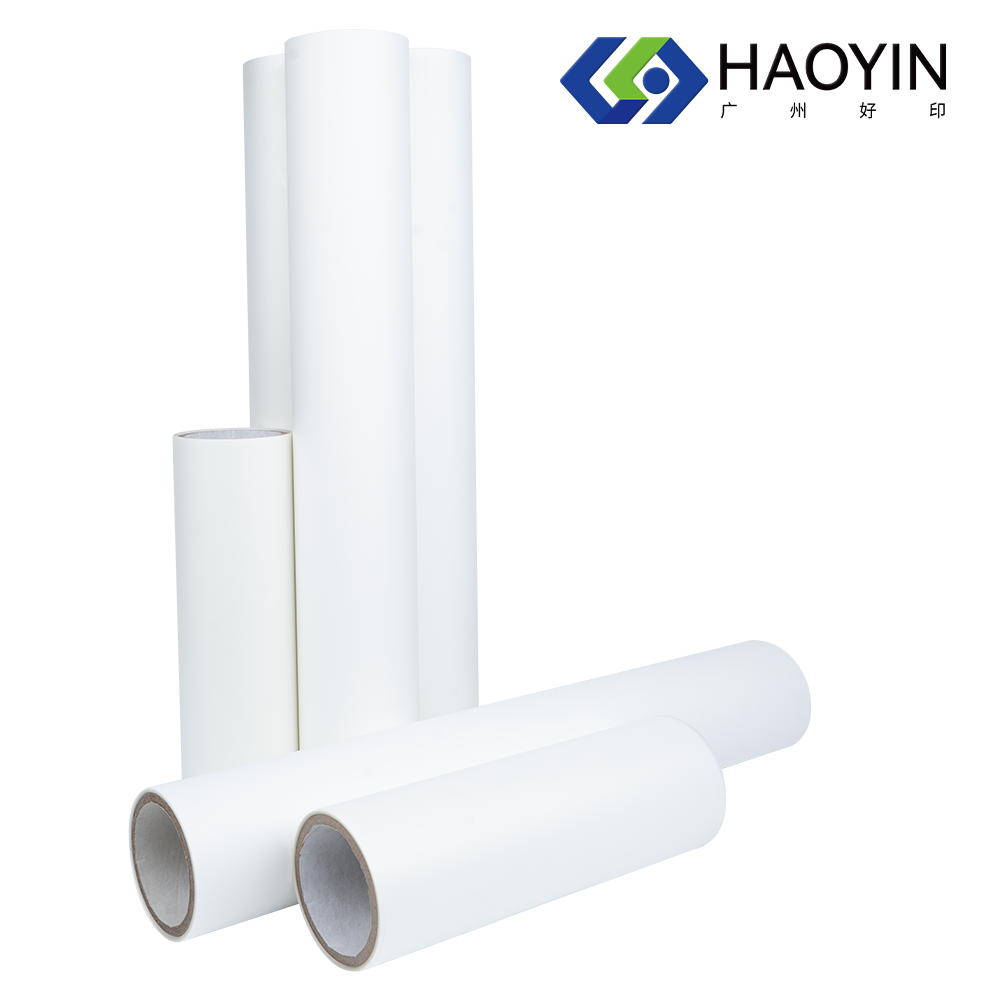
DTF printing has revolutionized the textile printing industry by offering unprecedented flexibility for production runs of any size. Whether you're managing a small custom apparel business or operating a large-scale manufacturing facility, DTF printing provides cost-effective solutions that maintain consistent quality across different order volumes. This comprehensive analysis explores how DTF printing performs across various production scales, examining the financial implications and quality outcomes that businesses can expect when implementing this innovative printing technology.
Understanding DTF Printing Technology and Its Scalability
Core Components of DTF Printing Systems
DTF printing utilizes specialized transfer films, hot-melt adhesive powder, and digital inkjet technology to create vibrant, durable transfers. The process involves printing designs onto transfer films using water-based pigment inks, applying adhesive powder while the ink remains wet, and curing the combination through heat application. This method enables businesses to produce high-quality transfers that can be applied to various fabric types without the limitations typically associated with traditional screen printing or vinyl cutting methods.
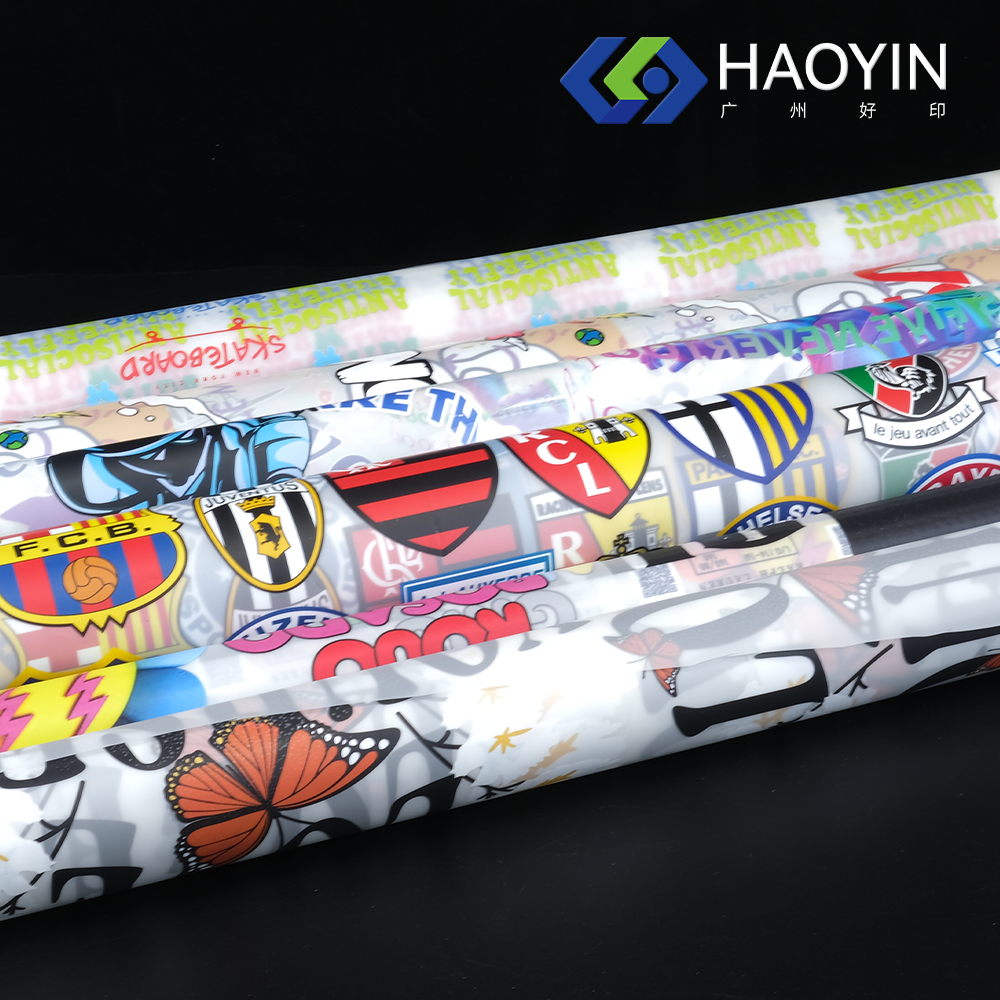
The scalability of DTF printing systems makes them particularly attractive for businesses with fluctuating order volumes. Unlike screen printing, which requires significant setup time and minimum order quantities to achieve cost efficiency, DTF printing maintains consistent per-unit costs regardless of batch size. This characteristic allows small businesses to compete with larger operations while providing large manufacturers with the flexibility to handle custom orders without disrupting their main production lines.
Equipment Investment Considerations
Initial equipment investment for DTF printing varies significantly based on production capacity requirements. Entry-level systems suitable for small businesses typically range from $3,000 to $15,000, while industrial-grade equipment for large-scale operations can exceed $100,000. However, the return on investment timeline remains favorable across all scales due to the reduced labor requirements and minimal waste generation associated with DTF printing processes.
Production capacity directly correlates with equipment specifications, including printer width, printing speed, and automation features. Small-scale operations often benefit from desktop DTF printing systems that can produce 20-50 transfers per hour, while large-scale facilities require industrial printers capable of producing hundreds of transfers hourly with minimal operator intervention.
Cost Analysis for Small-Scale DTF Printing Operations
Material Costs and Consumption Patterns
Small-scale DTF printing operations typically experience higher per-unit material costs due to reduced purchasing power and smaller bulk orders. Transfer film costs range from $0.15 to $0.30 per square foot for small quantities, while adhesive powder consumption averages $0.05 to $0.10 per transfer depending on coverage area. Ink consumption remains relatively constant across production scales, averaging $0.20 to $0.40 per full-color transfer, making DTF printing economically viable even for single-unit orders.
The cost structure of DTF printing for small operations becomes particularly advantageous when compared to traditional methods requiring minimum order quantities. Small businesses can price individual transfers between $2.00 and $5.00, depending on complexity and local market conditions, while maintaining healthy profit margins that support business growth and equipment upgrades.
Labor and Operational Efficiency
Labor requirements for small-scale DTF printing operations remain minimal due to the automated nature of the printing process. A single operator can manage multiple printing tasks simultaneously, from file preparation to transfer application, making it ideal for small businesses with limited staffing resources. The learning curve for DTF printing is relatively shallow, allowing new operators to achieve proficiency within days rather than the weeks or months required for traditional printing methods.
Operational efficiency in small-scale DTF printing environments benefits from reduced setup times and minimal changeover requirements between different designs or colors. This flexibility enables small businesses to accept diverse orders without the production constraints that limit traditional printing methods, ultimately expanding their market opportunities and revenue potential.
Large-Scale DTF Printing Production Economics
Volume-Based Cost Advantages
Large-scale DTF printing operations achieve significant cost advantages through bulk purchasing power and optimized production workflows. Material costs can decrease by 30-50% when purchasing transfer films, adhesive powders, and inks in industrial quantities. These savings translate directly to improved profit margins or competitive pricing strategies that strengthen market position against alternative printing methods.
Production efficiency in large-scale DTF printing facilities often exceeds 90% uptime when properly managed, with automated systems handling material feeding, printing, powder application, and curing processes with minimal human intervention. This level of automation reduces labor costs per unit while maintaining consistent quality standards across thousands of transfers daily.
Infrastructure and Automation Benefits
Large-scale DTF printing operations benefit from sophisticated infrastructure including climate-controlled environments, automated material handling systems, and integrated quality control monitoring. These investments, while substantial initially, provide long-term operational advantages including reduced waste, improved consistency, and enhanced production capacity that justifies the capital expenditure through increased throughput and reduced operational costs.
Advanced DTF printing systems for large-scale operations often incorporate predictive maintenance features, real-time quality monitoring, and automated color management systems that minimize downtime and ensure consistent output quality. These technological advantages enable large producers to guarantee delivery timelines and quality standards that smaller operations may struggle to match consistently.
Quality Comparison Across Production Scales
Color Accuracy and Consistency
DTF printing maintains exceptional color accuracy and consistency across all production scales when proper calibration and maintenance procedures are followed. Small-scale operations using entry-level equipment can achieve color matching within Delta E values of 2-3, which meets professional standards for most commercial applications. Large-scale operations with advanced color management systems often achieve even tighter tolerances, with Delta E values below 1.5 for critical color matching applications.
The digital nature of DTF printing ensures that color reproduction remains consistent regardless of order quantity, eliminating the color variation challenges often associated with traditional screen printing when switching between different production runs. This consistency advantage makes DTF printing particularly valuable for brands requiring precise color matching across multiple production batches or geographic locations.
Durability and Performance Standards
Quality standards for DTF printing remain consistent across production scales, with properly processed transfers achieving wash fastness ratings of 4-5 on ISO standards regardless of whether they're produced on small desktop units or large industrial systems. The chemical composition of DTF printing inks and adhesives ensures that transfer durability depends primarily on proper curing temperatures and dwell times rather than production volume or equipment size.
Performance testing results show that DTF printing transfers maintain their structural integrity and color vibrancy through 50+ industrial wash cycles when properly applied, matching or exceeding the durability standards of traditional screen printing methods. This performance consistency across production scales provides businesses with confidence in their product quality regardless of order volume fluctuations.
Implementation Strategies for Different Business Models
Small Business Optimization Approaches
Small businesses implementing DTF printing should focus on maximizing equipment utilization and developing efficient workflows that minimize waste while maintaining quality standards. Strategic scheduling of production runs, proper material storage, and preventive maintenance protocols ensure optimal performance from entry-level equipment while building the foundation for future expansion.
Market positioning for small-scale DTF printing operations often emphasizes customization capabilities, rapid turnaround times, and personalized service rather than competing solely on price with larger competitors. This differentiation strategy leverages the inherent advantages of DTF printing technology while building customer loyalty through superior service delivery and product quality.
Large-Scale Integration Considerations
Large-scale DTF printing implementation requires comprehensive planning including facility layout optimization, workflow automation, quality control systems, and staff training programs. Successful integration often involves phased implementation approaches that allow for system optimization and staff adaptation while maintaining existing production capabilities during the transition period.
Enterprise-level DTF printing operations benefit from integrated management systems that coordinate production scheduling, inventory management, quality control, and customer communication processes. These systems enable large producers to maintain competitive advantages through operational efficiency while ensuring consistent service delivery across diverse customer requirements and order specifications.
FAQ
What are the minimum order quantities for cost-effective DTF printing
DTF printing eliminates traditional minimum order quantity requirements, making single-unit orders economically viable. Cost efficiency improves gradually with larger quantities due to reduced setup time per unit, but businesses can maintain profitable operations with orders as small as one piece. This flexibility makes DTF printing ideal for custom orders, sampling, and test marketing applications.
How does DTF printing quality compare between small and large production runs
DTF printing quality remains consistent across all production scales when proper procedures are followed. Both small desktop units and large industrial systems can achieve identical color accuracy, durability, and finish quality. The key factors affecting quality are proper temperature control, appropriate curing times, and consistent material handling rather than production volume or equipment size.
What factors should businesses consider when choosing DTF printing equipment
Businesses should evaluate their expected production volume, available space, budget constraints, and growth projections when selecting DTF printing equipment. Key considerations include printer width, production speed, automation features, maintenance requirements, and supplier support. Matching equipment capabilities to actual production needs prevents over-investment while ensuring adequate capacity for business growth.
How do material costs vary between small and large-scale DTF printing operations
Material costs for DTF printing decrease significantly with volume, particularly for transfer films and adhesive powders. Small-scale operations typically pay 40-60% more per unit for materials compared to large-scale buyers. However, the overall cost structure of DTF printing remains competitive for small businesses due to reduced labor requirements, minimal waste, and elimination of setup costs associated with traditional printing methods.
Table of Contents
- Understanding DTF Printing Technology and Its Scalability
- Cost Analysis for Small-Scale DTF Printing Operations
- Large-Scale DTF Printing Production Economics
- Quality Comparison Across Production Scales
- Implementation Strategies for Different Business Models
-
FAQ
- What are the minimum order quantities for cost-effective DTF printing
- How does DTF printing quality compare between small and large production runs
- What factors should businesses consider when choosing DTF printing equipment
- How do material costs vary between small and large-scale DTF printing operations