 EN
EN


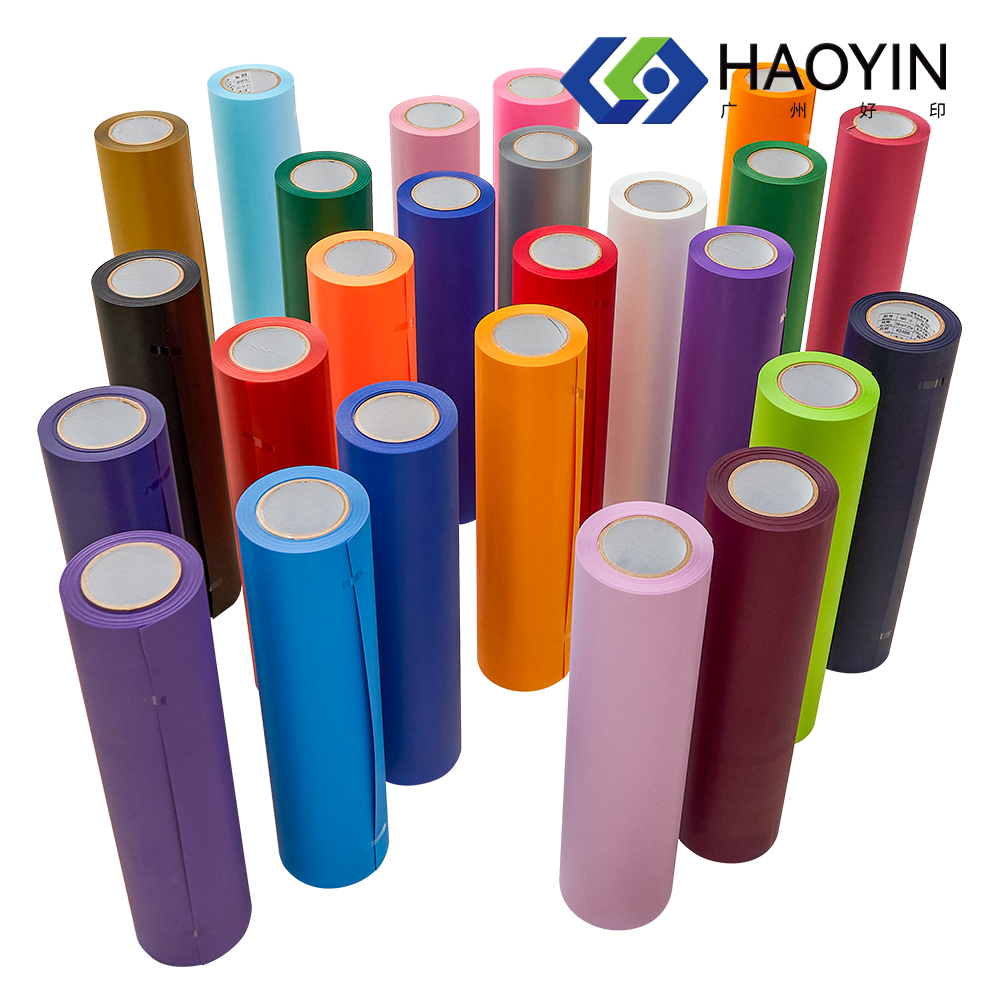
When working with heat transfer vinyl projects, understanding how pvc htv performs on dark base fabrics is crucial for achieving professional-quality results. Dark fabrics present unique challenges that require specific vinyl formulations and application techniques to ensure optimal adhesion, durability, and visual impact. The performance of pvc htv on dark substrates depends on several factors including vinyl opacity, adhesive compatibility, and proper heat application methods.
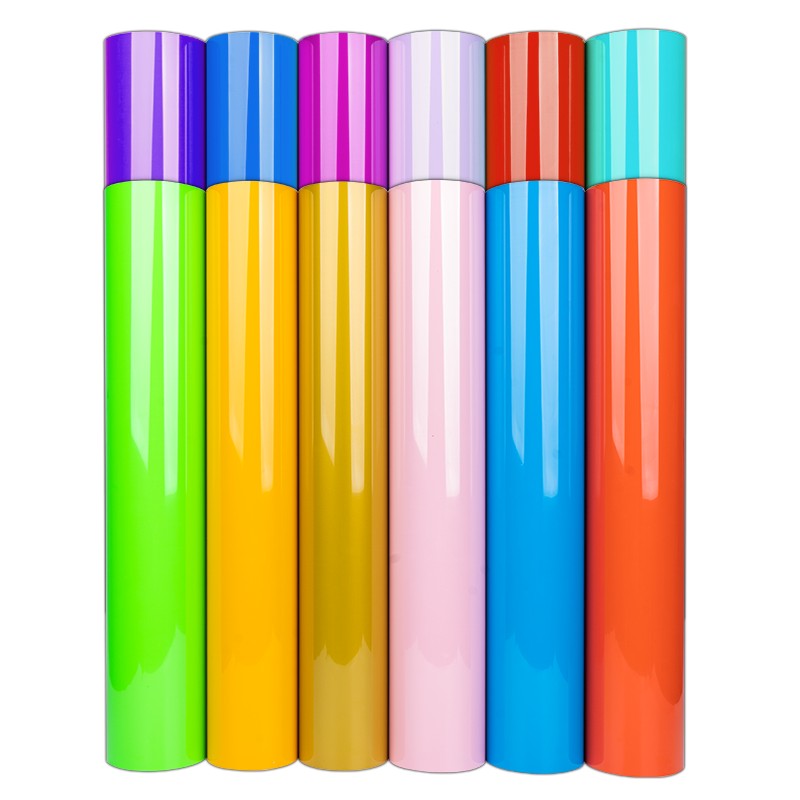
The vinyl industry has developed specialized pvc htv formulations specifically designed to address the challenges associated with dark fabric applications. These advanced materials incorporate enhanced pigmentation systems and modified adhesive chemistries that provide superior coverage and bonding strength on darker textile surfaces. Professional decorators and manufacturers rely on these specialized solutions to maintain consistent quality across diverse fabric color ranges.
Understanding PVC HTV Composition and Dark Fabric Compatibility
Material Structure and Opacity Characteristics
The fundamental structure of pvc htv plays a critical role in its performance on dark fabrics. High-quality pvc htv features multiple layers including a colored face film, pressure-sensitive adhesive layer, and protective carrier sheet. The face film must provide sufficient opacity to prevent show-through from dark base materials while maintaining flexibility and durability during wear and washing cycles.
Opacity levels in pvc htv are measured using standardized testing methods that evaluate light transmission through the material. Premium grades typically achieve opacity ratings above ninety-five percent, ensuring complete color coverage even on black or navy fabrics. This characteristic becomes particularly important when applying light-colored designs to dark garments where any transparency would compromise the visual impact.
Adhesive System Performance on Dark Textiles
The adhesive chemistry in pvc htv must accommodate the diverse dye systems and fabric treatments commonly found in dark textiles. Many dark fabrics undergo intensive dyeing processes that can leave residual chemicals or finishing agents on the surface. Modern pvc htv formulations incorporate adhesive systems specifically engineered to bond effectively despite these potential surface contaminants.
Temperature-activated adhesives in pvc htv create mechanical and chemical bonds with fabric fibers during the heat pressing process. The adhesive must penetrate into the fabric structure while maintaining cohesive strength to resist delamination during subsequent handling and care procedures. Professional applications require adhesive systems that demonstrate consistent performance across temperature ranges and fabric types.
Application Techniques for Optimal Dark Fabric Results
Heat Press Temperature and Pressure Optimization
Achieving optimal pvc htv performance on dark fabrics requires precise control of heat press parameters including temperature, pressure, and dwell time. Dark fabrics often have different thermal characteristics compared to lighter materials, affecting heat distribution and penetration during the application process. Professional decorators typically increase application temperatures by ten to fifteen degrees when working with dark substrates to ensure complete adhesive activation.
Pressure settings must be adjusted to accommodate the potentially thicker construction of dark fabrics while avoiding over-compression that could damage the vinyl structure. Many dark fabrics incorporate dense weave patterns or heavy-weight constructions that require increased pressure to achieve proper adhesive contact. The combination of appropriate temperature and pressure ensures that pvc htv achieves maximum bond strength without compromising material integrity.
Pretreatment and Surface Preparation Methods
Surface preparation becomes particularly critical when applying pvc htv to dark fabrics due to the potential presence of excess dyes, sizing agents, or fabric softeners that could interfere with adhesion. Pre-pressing dark garments for five to ten seconds helps remove moisture and volatile compounds while warming the fabric surface for improved vinyl contact. This preparatory step significantly enhances the performance of pvc htv on challenging dark substrates.
Some dark fabrics benefit from light abrasion or chemical cleaning prior to vinyl application, particularly when working with heavily processed materials or garments that have been previously washed with fabric softeners. Professional applications may incorporate specialized cleaning solutions designed to remove surface contaminants without damaging the fabric structure or affecting color stability.
Performance Characteristics and Durability Assessment
Wash Fastness and Color Retention
The long-term performance of pvc htv on dark fabrics must withstand repeated washing cycles without experiencing color bleeding, edge lifting, or adhesive failure. Dark fabrics typically undergo more aggressive dyeing processes that can continue to release excess colorants during initial wash cycles. High-quality pvc htv maintains its appearance and adhesion even when exposed to these challenging conditions.
Standardized wash testing protocols evaluate pvc htv performance through multiple hot water wash cycles followed by high-temperature drying. Premium materials demonstrate minimal color change, excellent edge retention, and maintained flexibility after fifty or more wash cycles. These performance characteristics make pvc htv suitable for commercial applications where garment durability is essential.
Flexibility and Stretch Recovery
Dark fabrics often incorporate stretch fibers or knit constructions that require pvc htv to maintain flexibility during fabric movement and recovery. The vinyl must stretch and return to its original dimensions without cracking, delaminating, or showing stress marks. Advanced pvc htv formulations incorporate plasticizer systems that provide long-term flexibility while maintaining adhesive bond integrity.
Stretch testing evaluates pvc htv performance under controlled elongation conditions that simulate normal garment wear. Professional-grade materials typically withstand elongation levels of thirty to fifty percent without showing visible damage or performance degradation. This flexibility ensures that decorated garments maintain their appearance and comfort throughout extended use periods.
Quality Control and Testing Standards
Industry Testing Protocols
Professional pvc htv manufacturers implement comprehensive testing programs to verify material performance on dark fabric substrates. These protocols include accelerated aging tests, colorfastness evaluations, and mechanical property assessments conducted under controlled laboratory conditions. Testing standards ensure that pvc htv materials meet or exceed performance requirements for commercial decorating applications.
Standardized test methods evaluate specific performance characteristics including peel strength, elongation at break, and thermal stability. Results from these assessments provide quantitative data that decorators can use to select appropriate materials for specific dark fabric applications. Professional suppliers provide detailed technical data sheets that document test results and recommended application parameters.
Application Troubleshooting Guidelines
Common issues encountered when applying pvc htv to dark fabrics include incomplete adhesion, edge lifting, and color show-through. Systematic troubleshooting approaches help identify root causes and implement corrective measures. Temperature verification, pressure calibration, and dwell time optimization typically resolve most application-related problems.
Documentation of application parameters and results helps establish consistent procedures for different dark fabric types. Professional decorators maintain detailed records of successful parameter combinations that can be referenced for future projects. This systematic approach minimizes trial-and-error while ensuring consistent pvc htv performance across diverse applications.
FAQ
What temperature should I use when applying pvc htv to dark fabrics
For optimal results with pvc htv on dark fabrics, increase your standard application temperature by 10-15 degrees Fahrenheit above the manufacturer's recommended setting for light fabrics. Most dark fabrics require temperatures between 320-340°F with 15-20 seconds of dwell time and firm pressure to ensure complete adhesive activation and proper bonding.
Why does my pvc htv sometimes show fabric color through light designs
Color show-through typically indicates insufficient vinyl opacity or inadequate heat application. Ensure you are using pvc htv specifically designed for dark fabrics with opacity ratings above 95%. Increase application temperature and pressure while extending dwell time to achieve complete adhesive penetration and eliminate any gaps between vinyl and fabric surface.
How can I prevent edge lifting when using pvc htv on dark garments
Edge lifting prevention requires proper surface preparation and application technique. Pre-press dark fabrics to remove moisture and contaminants, ensure adequate pressure distribution across the entire design area, and use appropriate temperature settings for the specific fabric type. Allow sufficient cooling time before removing the carrier sheet to ensure complete adhesive set.
Can I layer multiple colors of pvc htv on dark fabric bases
Yes, pvc htv can be successfully layered on dark fabrics when proper techniques are employed. Apply the base layer first using standard parameters, then reduce temperature by 25-50 degrees for subsequent layers to prevent damage to previously applied vinyl. Ensure each layer is completely cool before applying the next, and use protective sheets to prevent contamination between layers.