 EN
EN


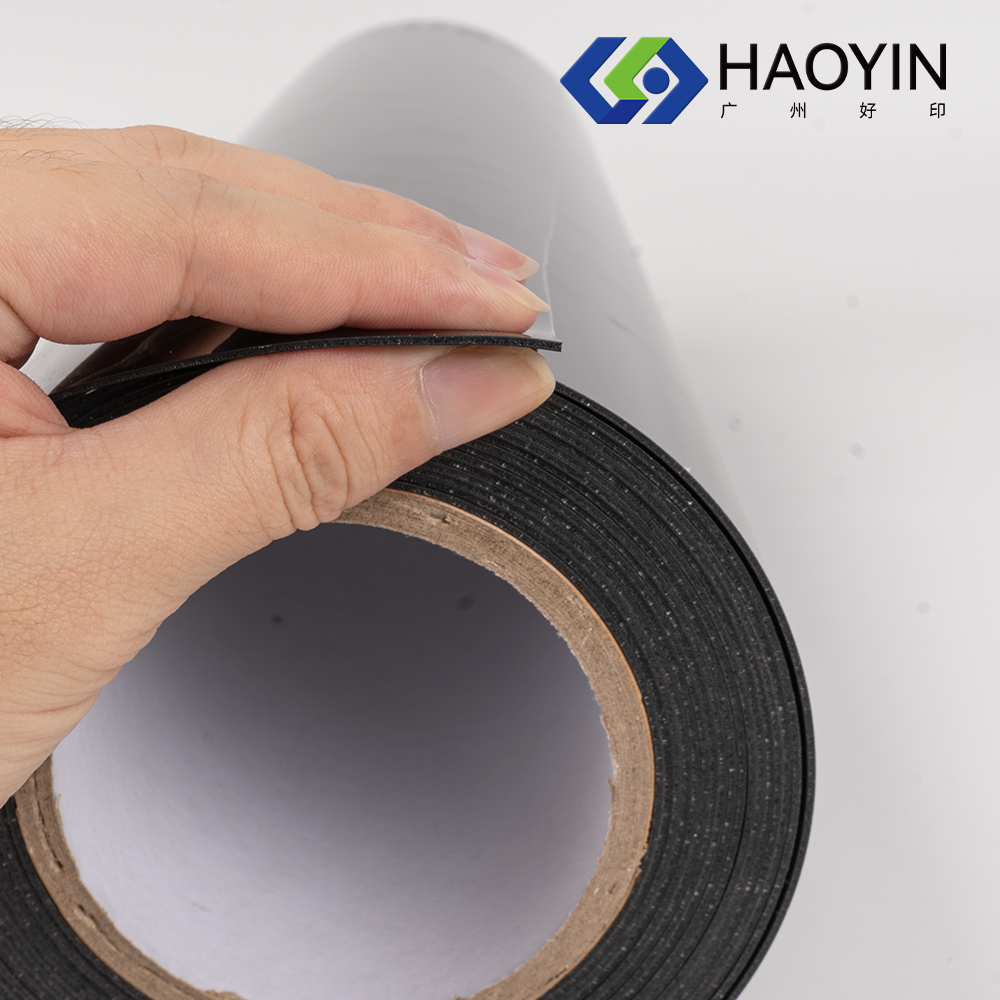
Modern design workflows across multiple industries have increasingly embraced heat transfer vinyl as a versatile solution for creating professional-quality graphics, logos, and decorative elements. This thermally activated material transforms design concepts into durable, vibrant applications on textiles, promotional products, and various substrates. Understanding which workflows maximize the potential of heat transfer vinyl systems enables businesses and designers to streamline production processes while delivering exceptional results that meet client expectations and industry standards.
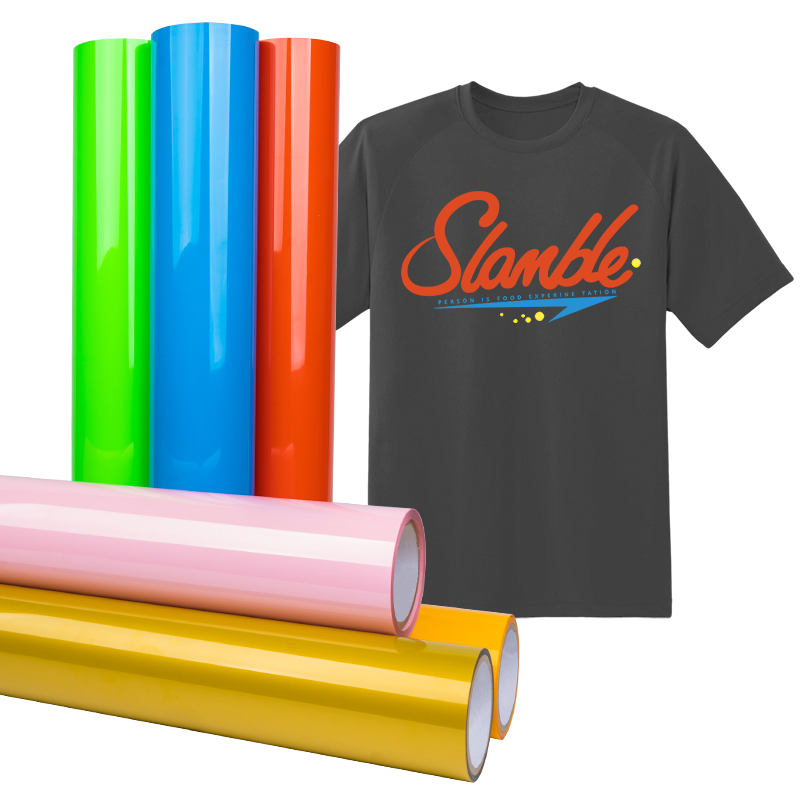
Custom Apparel Production Workflows
Small Batch Customization Systems
Small-scale apparel businesses benefit tremendously from heat transfer vinyl workflows designed for rapid customization and quick turnaround times. These systems enable designers to produce personalized t-shirts, hoodies, and accessories without investing in expensive screen printing equipment or maintaining large inventory stocks. The workflow typically involves digital design creation, precision cutting using vinyl plotters, and heat application through commercial heat presses.
The flexibility of heat transfer vinyl allows designers to experiment with multiple color combinations, intricate designs, and specialty finishes without committing to large production runs. This approach proves particularly valuable for businesses serving niche markets, seasonal campaigns, or limited-edition merchandise. The material's durability ensures that even small batch productions maintain professional quality standards while keeping overhead costs manageable.
On-Demand Fulfillment Operations
E-commerce platforms and print-on-demand services have revolutionized apparel customization through streamlined heat transfer vinyl workflows. These operations integrate digital storefronts with automated cutting systems and standardized heat application processes. The workflow begins when customers place orders online, triggering automatic file preparation, vinyl cutting, and garment preparation sequences.
Modern fulfillment centers optimize their heat transfer vinyl workflows through batch processing, where similar designs are grouped together to maximize efficiency. Advanced software systems manage color sorting, size optimization, and quality control checkpoints throughout the production cycle. This systematic approach enables businesses to handle hundreds of custom orders daily while maintaining consistent application quality and meeting tight delivery deadlines.
Promotional Product Manufacturing
Corporate Branding Applications
Corporate branding workflows leverage heat transfer vinyl to create cohesive visual identity across diverse promotional products and uniforms. Companies utilize these systems to apply logos, brand colors, and messaging onto employee apparel, trade show materials, and corporate gifts. The workflow incorporates brand guideline compliance, color matching protocols, and quality assurance procedures to ensure consistent representation across all applications.
Professional branding workflows often involve multi-step approval processes where digital mockups are created and approved before physical production begins. Heat transfer vinyl systems excel in these environments because they accommodate last-minute design changes, color adjustments, and quantity modifications without significant cost implications or production delays.
Event Marketing Materials
Event marketing campaigns benefit from heat transfer vinyl workflows that prioritize speed, flexibility, and visual impact. These workflows are designed to produce large quantities of promotional items under tight deadlines while maintaining brand consistency and professional appearance. Event organizers and marketing agencies utilize these systems to create staff uniforms, participant gear, and promotional giveaways.
The workflow typically involves rapid prototyping phases where design concepts are quickly tested on various substrates and refined based on client feedback. Heat transfer vinyl enables marketers to create eye-catching designs with multiple colors, gradients, and special effects that enhance brand visibility at events. The material's versatility allows application onto unconventional surfaces like bags, banners, and accessories that traditional printing methods cannot accommodate effectively.
Athletic and Performance Wear Production
Team Uniform Customization
Sports teams and athletic organizations rely on specialized heat transfer vinyl workflows for creating professional uniforms with player names, numbers, and team branding. These workflows prioritize durability, flexibility, and performance characteristics that withstand intense physical activity and frequent washing cycles. The production process involves careful substrate selection, precise vinyl cutting, and specialized heat application techniques.
Athletic uniform workflows incorporate performance testing procedures where heat transfer vinyl applications are evaluated for stretch resistance, color fastness, and adhesion strength. Professional sports organizations often require compliance with league specifications and safety standards, making workflow documentation and quality control essential components of the production process.
Performance Gear Branding
Manufacturers of athletic and outdoor gear integrate heat transfer vinyl workflows to add branding, safety information, and functional graphics to performance products. These workflows must accommodate technical fabrics, waterproof materials, and specialty coatings while maintaining the performance characteristics of the base garments. The process requires precise temperature control, pressure settings, and timing protocols.
Advanced workflows incorporate testing protocols that verify heat transfer vinyl adhesion on technical fabrics under various environmental conditions. Manufacturers evaluate application performance through accelerated aging tests, moisture exposure, and temperature cycling to ensure long-term durability meets industry standards for professional and recreational use.
Retail and Fashion Design Integration
Fast Fashion Production Cycles
Fashion retailers utilize heat transfer vinyl workflows to quickly adapt to trend changes and consumer preferences without committing to traditional manufacturing processes. These workflows enable rapid prototyping, limited edition releases, and seasonal collection updates that respond to market demands. The flexibility of heat transfer vinyl allows designers to experiment with bold graphics, metallic finishes, and textural elements.
Retail workflows often incorporate consumer feedback loops where initial designs are tested in select markets before full-scale production. Heat transfer vinyl systems support this approach by enabling cost-effective small batch testing and rapid scaling based on consumer response. The workflow includes inventory management systems that track vinyl colors, quantities, and application requirements across multiple product lines.
Boutique and Artisan Applications
Independent designers and boutique retailers benefit from heat transfer vinyl workflows that emphasize creativity, personalization, and artisan quality. These workflows prioritize design flexibility over volume efficiency, enabling unique applications that differentiate products in competitive markets. Artisan workflows often incorporate hand-finishing techniques, custom color mixing, and specialized application methods.
Boutique operations typically maintain smaller inventories of diverse heat transfer vinyl materials, focusing on premium quality and unique finishes rather than bulk quantities. The workflow includes customer consultation processes where clients participate in design selection and customization decisions, creating personalized products that command premium pricing and customer loyalty.
Educational and Institutional Applications
Academic Program Integration
Educational institutions incorporate heat transfer vinyl workflows into graphic design, fashion design, and business programs to provide students with practical industry experience. These workflows combine technical skill development with creative expression, enabling students to learn professional production techniques while exploring design concepts. Academic workflows emphasize learning outcomes, safety procedures, and skill progression.
Institutional workflows often serve dual purposes by producing items for school events, fundraising activities, and campus branding while providing educational opportunities. Students gain experience with commercial-grade heat transfer vinyl equipment, design software, and quality control procedures that prepare them for professional careers in related industries.
Community Organization Services
Community centers, libraries, and nonprofit organizations utilize accessible heat transfer vinyl workflows to provide custom printing services for local groups, small businesses, and individual creators. These workflows prioritize ease of use, safety, and community engagement rather than high-volume production. The systems often incorporate educational components where community members learn design and production skills.
Community-focused workflows typically emphasize sustainability, cost-effectiveness, and inclusive access to creative tools. Heat transfer vinyl systems in these environments serve diverse user groups with varying skill levels and project requirements, necessitating flexible workflows that accommodate different experience levels and project scales.
Quality Control and Optimization Strategies
Process Standardization Methods
Successful heat transfer vinyl workflows implement comprehensive quality control systems that ensure consistent results across all production runs. These systems include documented procedures for temperature settings, pressure requirements, timing protocols, and post-application inspection criteria. Standardization reduces variability, minimizes waste, and improves overall production efficiency while maintaining quality standards.
Quality control workflows incorporate regular equipment calibration, material testing, and operator training programs to maintain optimal performance. Advanced systems utilize data collection and analysis tools to identify trends, optimize settings, and prevent quality issues before they impact production. These proactive approaches reduce rework, improve customer satisfaction, and support continuous improvement initiatives.
Troubleshooting and Maintenance Protocols
Effective heat transfer vinyl workflows include comprehensive troubleshooting procedures and preventive maintenance schedules that minimize downtime and ensure reliable operation. These protocols address common issues such as adhesion failures, cutting problems, and equipment malfunctions through systematic diagnostic approaches and corrective actions.
Maintenance workflows encompass equipment cleaning procedures, blade replacement schedules, and calibration checks that preserve cutting precision and heat application consistency. Regular maintenance prevents costly equipment failures, extends system lifespan, and maintains production quality standards essential for professional operations.
FAQ
What industries benefit most from heat transfer vinyl workflows?
The apparel customization industry, promotional product manufacturing, athletic wear production, and educational sectors derive significant benefits from heat transfer vinyl workflows. These industries require flexible, cost-effective solutions for creating custom graphics and branding on various substrates while maintaining professional quality standards and meeting diverse customer requirements.
How does workflow optimization improve heat transfer vinyl production efficiency?
Workflow optimization improves production efficiency through standardized procedures, batch processing techniques, automated cutting systems, and quality control protocols. These improvements reduce material waste, minimize production time, improve consistency, and enable businesses to handle larger order volumes while maintaining quality standards and meeting delivery deadlines.
What factors should businesses consider when implementing heat transfer vinyl workflows?
Businesses should evaluate production volume requirements, substrate compatibility, design complexity needs, quality standards, equipment capabilities, operator skill levels, and customer expectations. Additionally, considerations include workspace requirements, safety protocols, maintenance procedures, and integration with existing production systems to ensure successful workflow implementation.
How do heat transfer vinyl workflows compare to traditional printing methods?
Heat transfer vinyl workflows offer greater flexibility for small batch production, design customization, and rapid turnaround compared to traditional screen printing or embroidery methods. While traditional methods may be more cost-effective for large volume runs, heat transfer vinyl excels in applications requiring frequent design changes, multiple colors, and specialized finishes without significant setup costs or minimum order requirements.
Table of Contents
- Custom Apparel Production Workflows
- Promotional Product Manufacturing
- Athletic and Performance Wear Production
- Retail and Fashion Design Integration
- Educational and Institutional Applications
- Quality Control and Optimization Strategies
-
FAQ
- What industries benefit most from heat transfer vinyl workflows?
- How does workflow optimization improve heat transfer vinyl production efficiency?
- What factors should businesses consider when implementing heat transfer vinyl workflows?
- How do heat transfer vinyl workflows compare to traditional printing methods?