 EN
EN


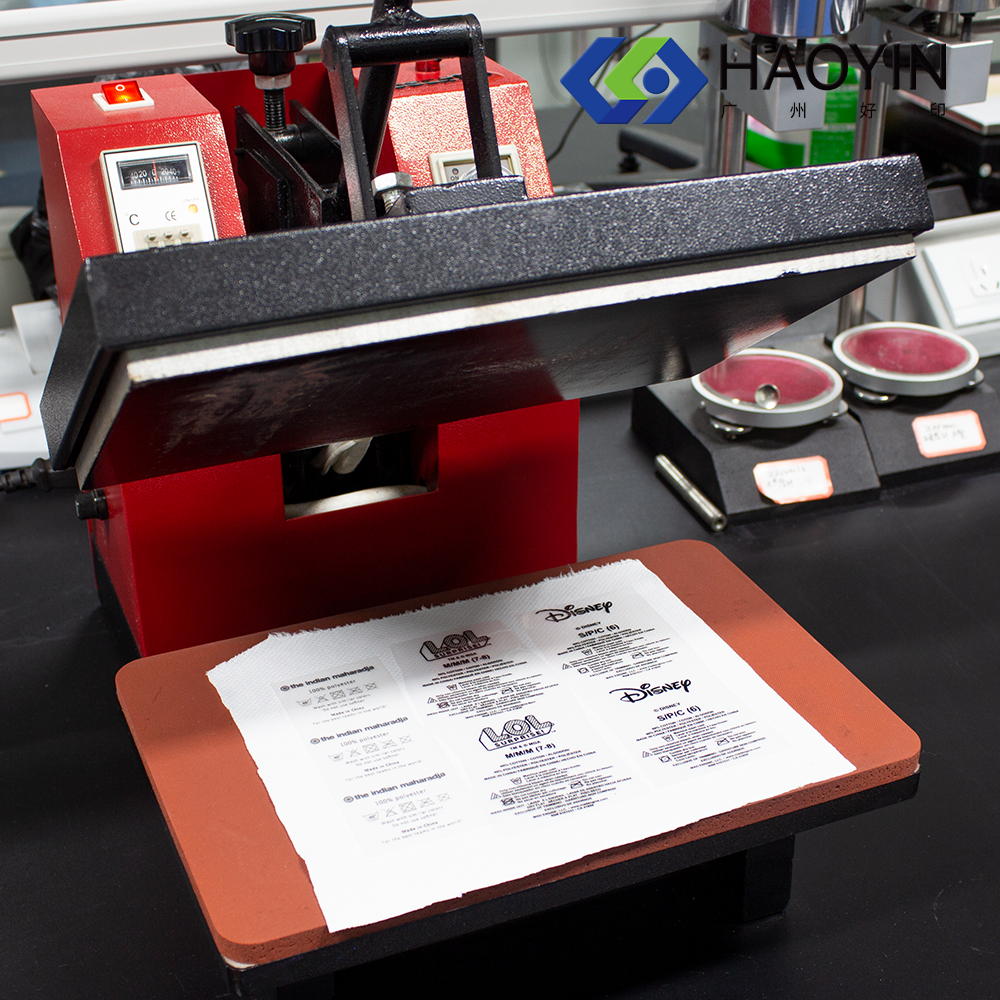
The textile decoration industry has witnessed remarkable innovations in heat transfer vinyl technology, with puff htv emerging as a game-changing solution for creating dimensional designs. This specialized material revolutionizes traditional heat transfer applications by introducing three-dimensional texture while maintaining exceptional adhesion properties. Understanding how puff htv achieves this balance between volume creation and reliable bonding is crucial for professionals seeking to expand their design capabilities and deliver superior results to their clients.
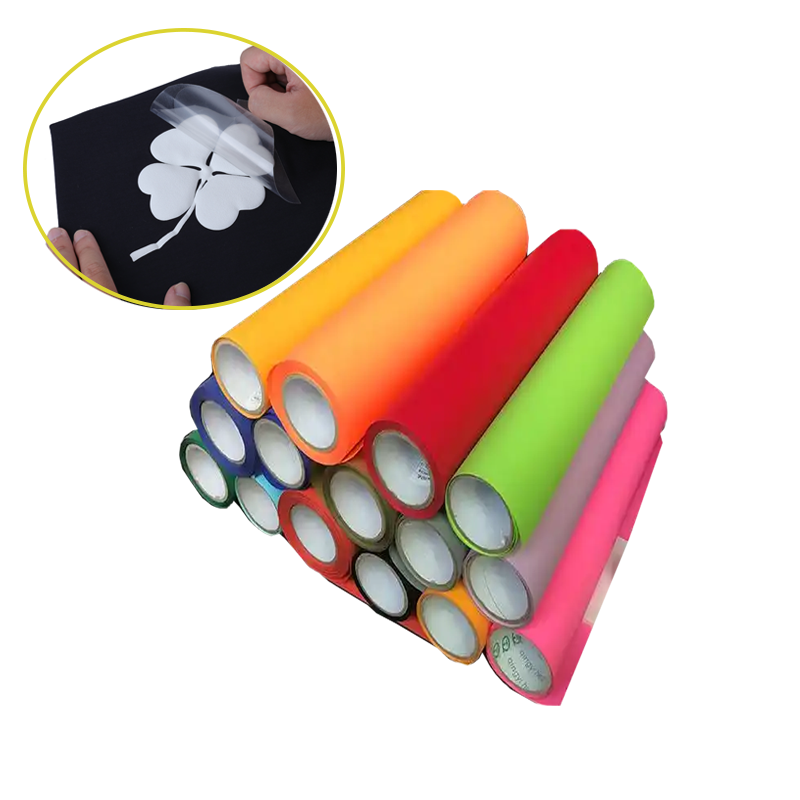
Understanding the Science Behind Puff HTV Volume Creation
Chemical Composition and Activation Process
The remarkable volumizing properties of puff htv stem from its unique chemical composition, which incorporates specialized foaming agents within the vinyl structure. These agents remain dormant at room temperature but activate when exposed to controlled heat application during the transfer process. The foaming compounds expand uniformly throughout the material, creating consistent dimensional lift across the entire design area. This controlled expansion mechanism ensures predictable results while maintaining structural integrity of the transferred graphic.
Temperature control plays a critical role in achieving optimal puff htv performance. The activation threshold typically ranges between 305-320°F, depending on the specific formulation. Within this temperature range, the foaming agents undergo controlled decomposition, releasing gases that create the characteristic raised texture. Professional heat press operators must maintain precise temperature settings to ensure complete activation without overheating, which could compromise the material's adhesive properties or cause uneven expansion patterns.
Structural Engineering of Three-Dimensional Effects
The engineering behind puff htv involves multiple layers working in harmony to produce dimensional effects without sacrificing durability. The top layer contains the foaming compounds and colorants, while the middle section provides structural support during expansion. The bottom adhesive layer maintains contact with the substrate throughout the puffing process, ensuring secure bonding even as the upper layers expand vertically. This multi-layer construction allows the material to achieve heights of 2-3mm while retaining flexibility and wash resistance.
Advanced manufacturing techniques ensure uniform distribution of foaming agents throughout the puff htv matrix. This consistency prevents irregular expansion patterns that could compromise both aesthetic appeal and functional performance. Quality control measures during production guarantee that each sheet of material will respond predictably to heat application, enabling consistent results across large production runs and complex multi-color designs.
Adhesion Mechanisms in Elevated Surface Applications
Molecular Bonding Under Expansion Conditions
The adhesive system in puff htv utilizes thermoplastic polymers specifically engineered to maintain molecular bonding strength during the expansion process. These polymers create intermolecular attractions with textile fibers while remaining flexible enough to accommodate dimensional changes. The adhesive layer undergoes controlled softening during heat application, allowing optimal penetration into fabric substrates before cooling and solidifying into permanent bonds.
Pressure application during the transfer process ensures complete adhesive contact despite the volumizing action occurring simultaneously in upper layers. Professional-grade heat presses distribute force evenly across the design area, preventing air pockets or incomplete bonding that could compromise long-term adhesion. The timing sequence of heat and pressure application must be precisely coordinated to achieve optimal results with puff htv applications.
Substrate Compatibility and Bonding Strength
Different fabric types interact uniquely with puff htv adhesive systems, requiring specific application parameters for optimal bonding. Cotton fabrics provide excellent mechanical bonding due to their fibrous structure, while synthetic materials offer chemical compatibility with thermoplastic adhesives. Blended fabrics combine both bonding mechanisms, often resulting in superior adhesion strength when proper application techniques are employed. Understanding these substrate-specific interactions enables operators to adjust parameters for consistent results across diverse fabric types.
Surface preparation significantly impacts adhesion quality in puff htv applications. Clean, dry substrates free from sizing agents or fabric softeners provide optimal bonding conditions. Pre-pressing fabric samples removes moisture and relaxes fibers, creating ideal surface conditions for adhesive penetration. These preparatory steps become even more critical with puff htv due to the simultaneous expansion and bonding processes occurring during application.
Application Techniques for Optimal Performance
Heat Press Configuration and Settings
Achieving superior results with puff htv requires precise heat press configuration tailored to the material's unique characteristics. Temperature settings must be calibrated to activate foaming agents while ensuring complete adhesive activation. Pressure adjustments accommodate the expanding material without restricting dimensional development or causing adhesive squeeze-out. Professional operators develop systematic approaches for different design sizes and fabric types to ensure consistent quality across all applications.
Timing sequences for puff htv applications differ significantly from standard heat transfer vinyl procedures. Initial heat application activates both adhesive and foaming systems, followed by controlled cooling periods that allow dimensional stabilization. Some applications benefit from staged heating cycles that optimize both adhesion and expansion characteristics. These advanced techniques require experience and understanding of material behavior under various processing conditions.
Design Considerations and Layout Planning
Design complexity significantly impacts puff htv performance, with larger solid areas generally producing more dramatic dimensional effects than intricate details. Line weights and spacing requirements differ from traditional heat transfer vinyl due to the material's expansion characteristics. Designers must account for dimensional changes when planning multi-layer applications or combining puff htv with other heat transfer materials. These considerations ensure professional results that meet client expectations.
Color selection and layering techniques offer creative opportunities unique to puff htv applications. The material's translucent properties when expanded can create interesting visual effects when layered over contrasting base colors. Understanding how different colors respond to the expansion process enables designers to predict final appearance and plan accordingly. Professional applications often incorporate these characteristics as design elements rather than limitations.
Quality Control and Performance Testing
Adhesion Strength Evaluation Methods
Professional quality control for puff htv applications involves systematic testing of adhesion strength under various conditions. Standardized peel tests measure bonding force required to separate transferred materials from substrates, with results compared against established performance benchmarks. These tests must account for the dimensional nature of expanded puff htv, requiring modified testing fixtures that accommodate raised surfaces while applying consistent force vectors.
Wash fastness testing becomes particularly critical for puff htv applications due to the increased surface area exposed to detergents and mechanical action. Extended washing cycles simulate long-term use conditions, revealing potential adhesion failures before products reach end users. Professional testing protocols include hot water washing, commercial laundering conditions, and accelerated aging tests that predict performance over extended service life.
Dimensional Stability Assessment
Measuring dimensional consistency across puff htv applications requires specialized techniques that account for the material's three-dimensional nature. Height measurements using precision gauges ensure uniform expansion across design areas, while flexibility testing confirms that dimensional changes don't compromise material integrity. These assessments help identify optimal application parameters for different design types and substrate combinations.
Long-term dimensional stability testing evaluates how puff htv maintains its expanded characteristics through repeated use and care cycles. Compression testing simulates wearing conditions that might compress the raised texture, while recovery testing measures the material's ability to return to original dimensions after compression. These comprehensive evaluations ensure that puff htv applications maintain their distinctive appearance throughout their intended service life.
Troubleshooting Common Application Issues
Addressing Incomplete Expansion Problems
Incomplete expansion in puff htv applications typically results from insufficient heat, inadequate dwell time, or uneven temperature distribution across the heat press surface. Systematic diagnosis involves checking calibration of temperature controllers, verifying pressure distribution, and confirming proper timing sequences. Professional troubleshooting approaches isolate individual variables to identify root causes and implement corrective measures that prevent recurring issues.
Heat press maintenance significantly impacts puff htv performance, with worn heating elements or damaged pressure mechanisms causing inconsistent results. Regular calibration using precision temperature measuring devices ensures accurate heat delivery, while pressure testing confirms uniform force distribution. These preventive measures maintain equipment performance standards necessary for consistent puff htv applications.
Resolving Adhesion Failure Scenarios
Adhesion failures in puff htv applications often occur when expansion forces overwhelm bonding strength or when application parameters fail to achieve complete adhesive activation. Analyzing failed samples reveals whether inadequate heat, insufficient pressure, or contaminated substrates caused the problem. Understanding these failure modes enables operators to adjust techniques and prevent similar issues in future applications.
Substrate-specific adhesion challenges require tailored solutions that account for fabric characteristics and puff htv properties. Synthetic fabrics may require longer dwell times or modified pressure settings compared to natural fibers. Developing application parameter charts for different substrate types streamlines production processes and ensures consistent quality across diverse fabric applications.
FAQ
What temperature range works best for puff htv applications?
The optimal temperature range for puff htv typically falls between 305-320°F, though specific formulations may require slight adjustments. This temperature range ensures complete activation of foaming agents while maintaining proper adhesive flow characteristics. Always consult manufacturer specifications for precise temperature recommendations, as formulations can vary between brands and product lines.
How long should pressure be maintained during puff htv application?
Pressure application time for puff htv generally ranges from 15-20 seconds, depending on fabric thickness and heat press characteristics. The key is maintaining consistent pressure throughout the heating cycle while allowing sufficient time for both adhesive activation and foam expansion. Some applications benefit from gradual pressure release during cooling to prevent compression of the expanded material.
Can puff htv be layered with other heat transfer materials?
Yes, puff htv can be successfully layered with other heat transfer vinyl types, though sequencing and temperature management become critical factors. Generally, apply standard materials first, then add puff htv as the top layer to prevent compression of previously applied dimensional elements. Adjust application parameters to accommodate the combined material thickness and varying temperature requirements.
What causes uneven expansion patterns in puff htv designs?
Uneven expansion typically results from inconsistent temperature distribution, inadequate pressure uniformity, or material defects in the puff htv itself. Heat press calibration issues, worn equipment components, or improper substrate preparation can also contribute to irregular expansion patterns. Regular equipment maintenance and systematic application procedures help prevent these issues and ensure consistent dimensional results.