 EN
EN


Are you looking for heat transfer vinyl for your business or printing needs?
We provide:
✔ PU & PVC HTV Vinyl
✔ Stable Quality for Bulk Orders
✔ Free Samples Available
The textile printing industry has witnessed remarkable innovations in recent years, with pu htv emerging as a game-changing solution for creating soft, flexible, and comfortable garment decorations. Unlike traditional vinyl materials that can feel stiff or plasticky, pu htv offers an exceptional combination of durability and comfort that makes it the preferred choice for applications requiring a soft hand feel. This advanced material technology has revolutionized how designers and manufacturers approach heat transfer vinyl projects, particularly when customer comfort is paramount.
Understanding the Science Behind PU HTV Material Composition
Polyurethane Technology in Heat Transfer Applications
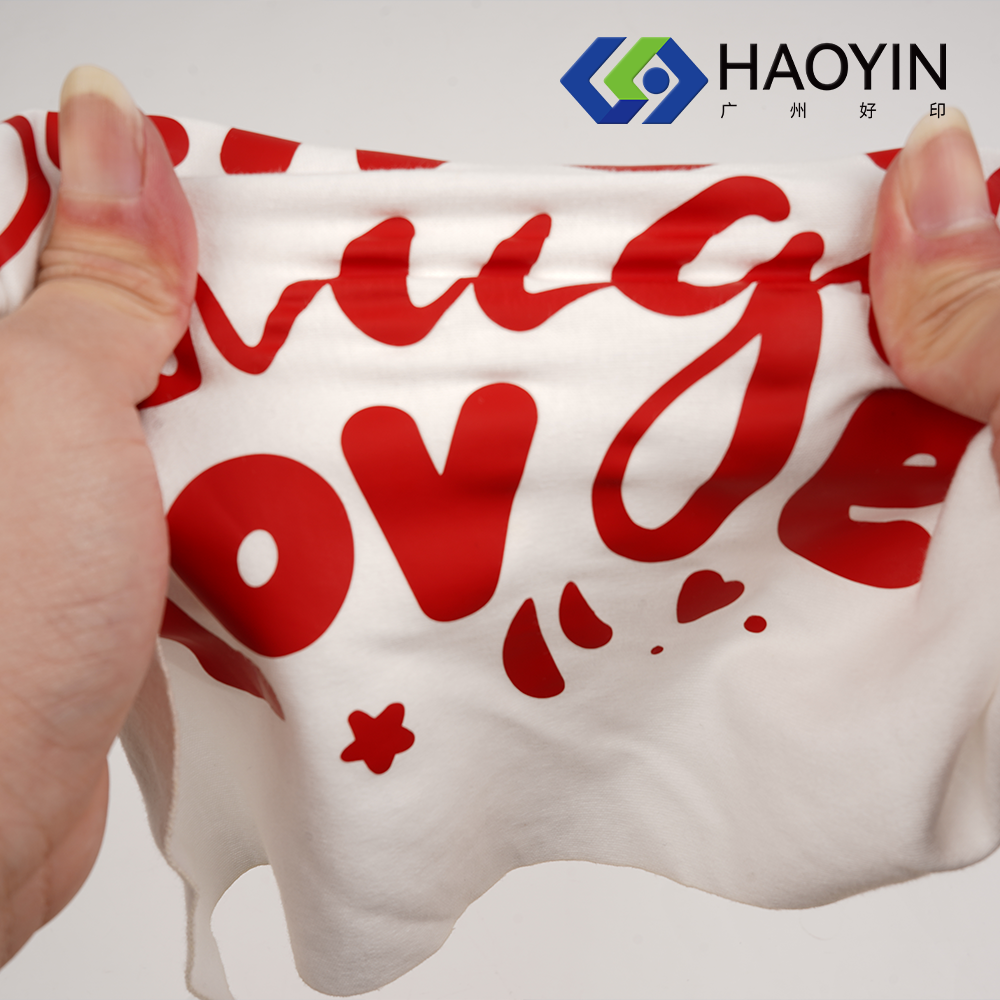
The foundation of pu htv lies in its sophisticated polyurethane chemistry, which creates a material structure that mimics the natural flexibility of fabric fibers. Unlike PVC-based alternatives, polyurethane polymers form molecular chains that maintain their elasticity even after heat application and repeated washing cycles. This molecular arrangement allows pu htv to stretch and recover without cracking or peeling, making it ideal for athletic wear and fashion applications where movement is essential.
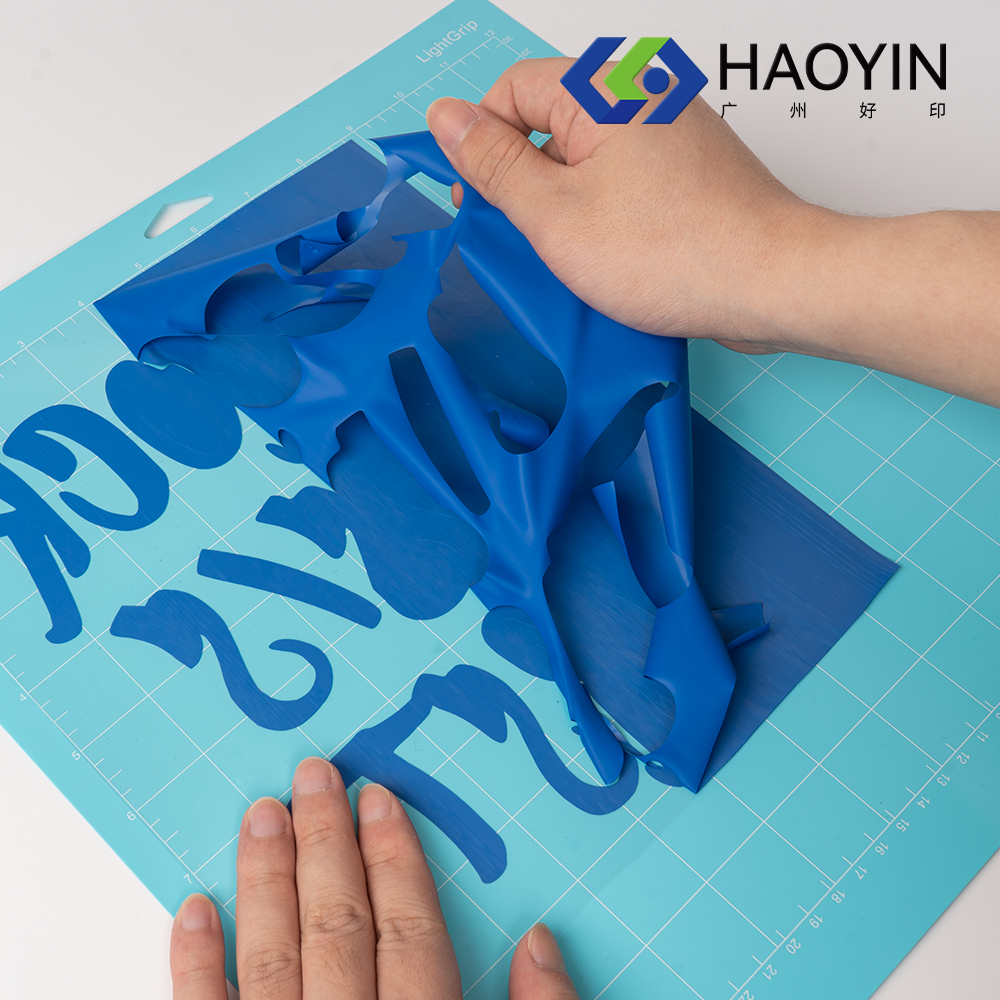
The manufacturing process involves creating ultra-thin polyurethane films that retain their original properties while bonding effectively to textile substrates. Advanced formulation techniques ensure that pu htv maintains consistent thickness throughout the material, eliminating the uneven surfaces that can create uncomfortable pressure points against the skin. This precision manufacturing approach results in a heat transfer vinyl that feels virtually invisible once applied to garments.
Why PU HTV is ideal for soft-hand feel applications?
- Ultra-thin (80–100 microns) → feels like fabric
- High elasticity → no cracking on sportswear
- Soft matte finish → premium clothing standard
Breathability and Moisture Management Properties
One of the most significant advantages of pu htv is its superior breathability compared to traditional vinyl materials. The polyurethane structure allows for controlled air permeability, enabling moisture vapor to pass through the material while maintaining its decorative integrity. This characteristic is particularly valuable in sportswear applications where temperature regulation and comfort are critical performance factors.
The moisture management capabilities of pu htv extend beyond simple breathability to include quick-drying properties that help maintain wearer comfort during extended periods of wear. Unlike vinyl materials that can trap moisture against the skin, pu htv facilitates natural moisture evaporation while preserving the visual impact of the design. This balance between functionality and aesthetics has made it increasingly popular among athletic apparel manufacturers and fashion designers alike.
Application Techniques for Optimal Soft Hand Feel Results
Temperature and Pressure Settings for Perfect Application
Achieving the optimal soft hand feel with pu htv requires precise control of heat press parameters that differ significantly from standard vinyl application procedures. The recommended temperature range for pu htv typically falls between 280-300 degrees Fahrenheit, which is lower than many PVC alternatives. This moderate temperature helps preserve the material's inherent softness while ensuring complete adhesive activation and permanent bonding to the fabric substrate.
Pressure settings play an equally important role in maintaining the soft characteristics of pu htv during application. Medium pressure settings typically produce the best results, as excessive pressure can compress the material's natural texture and reduce its soft hand feel. The application time should be optimized to achieve complete adhesion without over-processing, which can alter the material's flexibility and comfort characteristics.
Substrate Selection and Preparation Methods
The choice of fabric substrate significantly influences the final soft hand feel achieved with pu htv applications. Cotton blends and performance fabrics with smooth surfaces provide the ideal foundation for maintaining the material's natural flexibility and comfort. Pre-treatment of the fabric surface, including proper cleaning and temperature conditioning, ensures optimal adhesion while preserving the soft characteristics that make pu htv so appealing for comfort-focused applications.
Fabric preparation also involves consideration of stretch properties and directional characteristics that can affect how pu htv performs after application. Knit fabrics with four-way stretch capabilities work exceptionally well with pu htv because both materials can accommodate movement and stress without compromising their structural integrity. This compatibility creates garments that maintain their comfort and appearance through countless wear and wash cycles.
Performance Advantages in Commercial Applications
Durability and Wash Resistance Characteristics
Commercial applications of pu htv benefit significantly from its exceptional durability characteristics, which maintain the soft hand feel even after extensive washing and wearing cycles. Laboratory testing has demonstrated that properly applied pu htv can withstand over 100 wash cycles while retaining its original flexibility and comfort properties. This longevity makes it an economically attractive option for businesses producing high-volume decorated apparel.
The wash resistance of pu htv stems from its chemical compatibility with modern detergents and fabric softeners, unlike some vinyl alternatives that can become brittle or discolored with repeated exposure to cleaning chemicals. The material's resistance to UV degradation also ensures that outdoor applications maintain their soft feel and visual appeal even with prolonged sun exposure, making pu htv suitable for a wide range of commercial applications.
Cost-Effectiveness and Production Efficiency
From a production standpoint, pu htv offers significant advantages in terms of processing efficiency and waste reduction. The material's excellent cutting characteristics allow for precise design reproduction with minimal weeding time, reducing labor costs while maintaining high-quality output. The consistent thickness and adhesive properties of pu htv also contribute to more predictable production results, reducing reject rates and improving overall manufacturing efficiency.
The long-term cost benefits of using pu htv become apparent when considering customer satisfaction and reduced return rates due to comfort issues. Products decorated with pu htv typically receive higher customer satisfaction ratings related to comfort and wearability, leading to increased repeat business and positive brand reputation. This indirect economic benefit often outweighs the initial material cost differences compared to lower-quality alternatives.
Design Considerations for Soft Hand Feel Applications
Color Selection and Opacity Management
The color characteristics of pu htv play a crucial role in maintaining soft hand feel while achieving desired visual impact. Lighter colors typically require thinner material layers to achieve adequate opacity, which contributes to better soft hand feel characteristics. However, advances in pigmentation technology have enabled darker pu htv colors to maintain their soft properties while providing excellent coverage and color saturation.
Opacity management in pu htv involves balancing material thickness with color vibrancy to achieve optimal comfort without sacrificing visual appeal. Multi-layer applications require careful consideration of how each layer contributes to the overall hand feel, with strategic design approaches that minimize material buildup in areas where comfort is most critical. This technical approach to design ensures that complex, multi-colored applications maintain the soft characteristics that make pu htv so desirable.
Size and Placement Optimization Strategies
Strategic placement of pu htv designs maximizes comfort while maintaining visual impact, particularly in applications where the soft hand feel is a primary consideration. Designers have discovered that placing larger pu htv elements in areas with less skin contact, while using smaller accents in high-contact zones, creates an optimal balance between aesthetics and comfort. This approach leverages the material's soft properties where they provide the greatest benefit to the wearer.
Size optimization also involves understanding how different garment types and wearing patterns affect the perception of soft hand feel. Athletic wear applications may benefit from smaller, strategically placed pu htv elements that move with the body, while fashion applications might accommodate larger designs where visual impact takes precedence. The versatility of pu htv allows designers to adapt their approach based on specific application requirements while maintaining consistent comfort standards.
Quality Control and Testing Procedures
Standardized Soft Hand Feel Assessment Methods
Professional evaluation of pu htv soft hand feel requires standardized testing procedures that provide consistent and reliable results across different production batches and application techniques. Industry-standard hand feel assessment involves both mechanical testing using specialized equipment and subjective evaluation by trained personnel who can identify subtle differences in material characteristics that affect wearer comfort.
The testing protocol for pu htv typically includes flexibility measurements, surface texture analysis, and thickness consistency evaluation to ensure that each batch meets established comfort standards. These comprehensive testing procedures help manufacturers maintain consistent quality while identifying any variations that might affect the final soft hand feel characteristics. Regular testing also enables continuous improvement in manufacturing processes and material formulations.
Long-term Performance Monitoring
Monitoring the long-term performance of pu htv applications provides valuable data on how soft hand feel characteristics change over time and usage patterns. Accelerated aging tests simulate months or years of normal wear and washing to predict how the material will perform in real-world applications. This data helps manufacturers refine their formulations and application recommendations to ensure consistent soft hand feel throughout the product lifecycle.
Performance monitoring also includes tracking customer feedback and satisfaction ratings related to comfort and wearability. This real-world data complements laboratory testing to provide a comprehensive understanding of how pu htv performs in actual use scenarios. The combination of technical testing and user feedback creates a robust quality assurance system that maintains the high standards expected from premium pu htv products.
HTV is widely used for:
T-shirt printing
- Garment factories
- Sportswear branding
- Promotional products
Typical applications:
✔ Garment factories
✔ Custom printing businesses
✔ Sportswear brands
✔ Promotional product suppliers
FAQ
How does pu htv compare to regular vinyl in terms of softness and comfort
PU HTV significantly outperforms regular vinyl in softness and comfort due to its polyurethane composition, which creates a more flexible and breathable material. While regular vinyl can feel stiff and plasticky against the skin, pu htv maintains a fabric-like flexibility that moves naturally with the wearer. The polyurethane structure also allows for better air permeability, reducing the trapped moisture sensation common with traditional vinyl materials. This makes pu htv ideal for applications where wearer comfort is a priority, such as athletic wear or children's clothing.
What temperature and time settings work best for applying pu htv while maintaining its soft properties
For optimal soft hand feel results, pu htv should be applied at temperatures between 280-300 degrees Fahrenheit for 12-15 seconds with medium pressure. These settings are specifically designed to activate the adhesive completely while preserving the material's natural flexibility. Higher temperatures or longer application times can compromise the soft characteristics by over-curing the polyurethane, while insufficient heat may result in poor adhesion that affects durability. Always use a protective sheet during application and allow the material to cool completely before handling to maintain its soft properties.
Can pu htv maintain its soft feel after multiple wash cycles
Yes, properly applied pu htv maintains its soft hand feel characteristics for over 100 wash cycles when following recommended care instructions. The polyurethane chemistry is specifically formulated to resist the hardening effects of repeated washing and drying that commonly affect other vinyl materials. To maximize softness retention, wash garments decorated with pu htv in cold water, use mild detergents, and avoid fabric softeners that may interfere with the material's properties. Air drying or low-heat tumble drying further helps preserve the soft characteristics throughout the garment's lifetime.
Is pu htv suitable for stretchy fabrics and athletic wear applications
PU HTV is exceptionally well-suited for stretchy fabrics and athletic wear due to its excellent stretch recovery properties and moisture management capabilities. The material can stretch up to 400% of its original size and return to its original dimensions without cracking or losing adhesion. This makes it perfect for performance garments that require freedom of movement. Additionally, the breathable nature of pu htv allows moisture vapor to pass through, helping maintain comfort during physical activity. Many professional sports teams and athletic apparel manufacturers choose pu htv specifically for its combination of durability, comfort, and performance in demanding applications.
Looking for a reliable PU HTV supplier?
We support:
✔ Bulk orders
✔ OEM customization
✔ Global shipping
Table of Contents
- Are you looking for heat transfer vinyl for your business or printing needs?
- Understanding the Science Behind PU HTV Material Composition
- Application Techniques for Optimal Soft Hand Feel Results
- Performance Advantages in Commercial Applications
- Design Considerations for Soft Hand Feel Applications
- Quality Control and Testing Procedures
-
FAQ
- How does pu htv compare to regular vinyl in terms of softness and comfort
- What temperature and time settings work best for applying pu htv while maintaining its soft properties
- Can pu htv maintain its soft feel after multiple wash cycles
- Is pu htv suitable for stretchy fabrics and athletic wear applications