 EN
EN



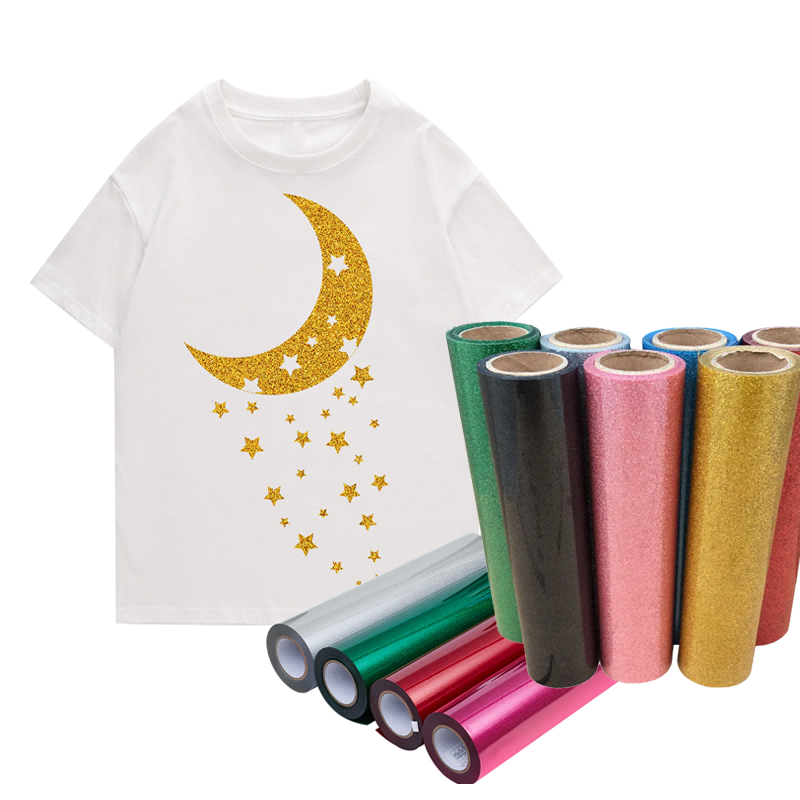
Achieving professional-quality sparkle and shimmer with glitterhtv requires understanding both the material properties and application techniques that ensure optimal adhesion and visual impact. This heat transfer vinyl variant incorporates embedded glitter particles that create stunning reflective effects when properly applied to various substrates. Success with glitterhtv depends on mastering temperature control, pressure settings, and timing protocols that activate the adhesive while preserving the glitter's reflective qualities. Professional crafters and commercial decorators recognize that glitterhtv offers unique challenges compared to standard heat transfer materials, requiring specialized approaches to unlock its full potential.
Understanding Glitterhtv Material Properties
Substrate Composition and Adhesive Technology
The foundation of successful glitterhtv application begins with understanding its unique multilayer construction. Unlike conventional heat transfer vinyl, glitterhtv incorporates metallic particles suspended within a specialized polymer matrix that responds differently to heat activation. The adhesive layer underneath requires precise temperature ranges to achieve proper bonding without compromising the glitter layer's integrity. Professional applications demand recognition that glitterhtv thickness varies significantly from standard materials, affecting both cutting depth and heat penetration requirements.
Temperature sensitivity represents a critical factor in glitterhtv performance, as excessive heat can cause glitter particles to lose their reflective properties or create uneven adhesion patterns. The optimal application window typically ranges between 300-320°F, though specific formulations may require adjustments based on manufacturer specifications. Understanding these thermal characteristics prevents common failures such as incomplete adhesion, glitter particle migration, or premature adhesive breakdown that compromises long-term durability.
Cutting and Weeding Considerations
Precision cutting becomes particularly challenging with glitterhtv due to its increased thickness and particle composition. Blade depth adjustments must account for the additional material layers while ensuring clean edge definition that prevents fraying or particle loss during application. Professional results require specialized cutting techniques that minimize stress on the glitter layer while maintaining sharp design boundaries essential for professional appearance.
Weeding glitterhtv demands modified approaches compared to standard vinyl materials, as aggressive removal can disturb surrounding glitter particles or create micro-tears that affect adhesion quality. Successful weeding requires patience and specialized tools designed to handle thicker materials without compromising the delicate glitter matrix. Temperature-assisted weeding techniques can improve results by slightly warming the material to reduce brittleness during removal processes.
Advanced Heat Press Techniques
Temperature and Pressure Optimization
Mastering heat press settings for glitterhtv requires understanding the relationship between temperature, pressure, and dwell time that activates adhesive properties while preserving glitter characteristics. Professional applications typically utilize medium-high pressure settings combined with precise temperature control to ensure even heat distribution across the entire design area. The glitterhtv material responds best to consistent pressure application that prevents air gaps while avoiding excessive force that could crush glitter particles.
Timing protocols for glitterhtv application extend beyond standard heat transfer vinyl requirements, typically requiring 12-15 second press cycles followed by controlled cooling periods. This extended timing allows complete adhesive activation while preventing thermal damage to the glitter matrix. Professional operators often employ multi-stage pressing techniques that involve initial bonding followed by secondary applications to ensure complete adhesion across complex designs or heavily detailed areas.
Cooling and Release Procedures
Proper cooling procedures significantly impact glitterhtv adhesion quality and long-term performance characteristics. Rapid cooling can create stress points within the adhesive layer that lead to premature failure, while inadequate cooling may result in carrier film adhesion issues during removal. Professional applications employ controlled cooling protocols that allow gradual temperature reduction while maintaining pressure contact until thermal equilibrium is achieved.
Carrier film removal timing represents another critical factor in glitterhtv success, as premature removal can disturb partially activated adhesive layers while delayed removal may result in carrier adhesion that complicates clean separation. Optimal removal occurs when the material reaches ambient temperature while maintaining slight warmth that facilitates clean carrier separation without glitter particle disturbance.
Surface Preparation and Substrate Selection
Fabric Compatibility Assessment
Successful glitterhtv application depends heavily on proper substrate selection and preparation techniques that ensure optimal bonding conditions. Natural fiber fabrics generally provide superior adhesion compared to synthetic materials, though modern glitterhtv formulations accommodate various fabric types through adjusted application parameters. Cotton and cotton blends offer ideal surface characteristics for glitterhtv bonding, while polyester and synthetic fabrics may require modified pressure and temperature settings to achieve comparable results.
Surface texture considerations become particularly important with glitterhtv applications, as rough or heavily textured fabrics can create air pockets that prevent complete adhesive contact. Pre-treatment techniques such as fabric smoothing or strategic pressing can improve contact quality, though excessive manipulation may alter fabric characteristics in ways that affect final appearance. Professional applications often involve substrate testing to determine optimal parameters for specific fabric combinations.
Pre-Treatment and Cleaning Protocols
Comprehensive surface preparation ensures maximum glitterhtv adhesion by eliminating contaminants and moisture that interfere with bonding processes. Fabric pre-pressing removes wrinkles and moisture while creating uniform surface conditions that promote even heat distribution during application. This preparation step proves particularly critical with glitterhtv due to its sensitivity to surface irregularities that can create visible imperfections in the finished design.
Chemical residue removal represents another essential preparation step, as fabric softeners, sizing agents, and manufacturing residues can create barriers that prevent proper adhesive bonding. Professional cleaning protocols typically involve gentle detergent washing followed by complete drying and brief heat pressing to ensure optimal surface conditions. These preparation steps, while time-consuming, significantly improve glitterhtv adhesion reliability and long-term performance.
Design Optimization Strategies
Scale and Complexity Considerations
Design optimization for glitterhtv involves understanding how scale and complexity affect both application success and visual impact. Large solid areas of glitterhtv require careful attention to even heat distribution and pressure application to prevent adhesion variations that create visible inconsistencies. Professional designers often incorporate strategic design breaks or texture variations that disguise potential application inconsistencies while maintaining overall visual coherence.
Complex designs with fine details present unique challenges for glitterhtv application, as the material's thickness can obscure small features or create bridging effects that compromise design clarity. Successful complex designs require careful consideration of minimum feature sizes and spacing requirements that accommodate glitterhtv characteristics while preserving design intent. Professional results often involve design modification strategies that optimize visual impact while ensuring reliable application outcomes.
Color Selection and Layering Techniques
Color selection strategies for glitterhtv extend beyond simple aesthetic considerations to include practical factors such as opacity, reflectivity, and layering compatibility. Darker glitterhtv colors often provide better coverage and more dramatic sparkle effects, while lighter colors may require additional design considerations to ensure adequate opacity over various substrate colors. Professional color selection involves testing combinations to verify visual impact and adhesion compatibility across different lighting conditions.
Layering techniques with glitterhtv require modified approaches compared to standard vinyl materials, as the increased thickness can create registration challenges and potential adhesion issues between layers. Successful multilayer designs typically employ specific application sequences that ensure proper bonding while maintaining design alignment. Professional layering often involves intermediate pressing steps that secure each layer before adding subsequent elements, ensuring overall design integrity throughout the application process.
Quality Control and Troubleshooting
Common Application Issues
Identifying and addressing common glitterhtv application issues requires understanding the relationship between process variables and resulting problems. Incomplete adhesion often results from insufficient temperature or pressure, while excessive heat can cause glitter particle degradation that affects appearance and durability. Professional troubleshooting involves systematic evaluation of process parameters combined with visual inspection techniques that identify root causes rather than symptoms.
Edge lifting represents another frequent issue with glitterhtv applications, typically resulting from inadequate edge sealing or improper cooling procedures. This problem often manifests during washing or wear testing, highlighting the importance of comprehensive edge treatment during initial application. Professional prevention strategies include extended edge pressing techniques and post-application inspection protocols that verify complete perimeter adhesion before final quality approval.
Durability Testing Protocols
Comprehensive durability testing ensures glitterhtv applications meet performance expectations under real-world conditions. Professional testing protocols typically include wash resistance evaluations, abrasion testing, and long-term appearance assessments that verify glitter particle retention and adhesive integrity. These testing procedures help identify potential application improvements while validating process parameters for production applications.
Accelerated aging tests provide valuable insights into long-term glitterhtv performance characteristics, revealing potential failure modes that might not appear during initial evaluation. Professional quality control often incorporates environmental exposure testing that simulates various use conditions including UV exposure, temperature cycling, and chemical contact scenarios. These comprehensive evaluations ensure glitterhtv applications maintain their sparkle and adhesion characteristics throughout their intended service life.
Professional Application Tips
Equipment Selection and Maintenance
Professional glitterhtv results require specialized equipment selection that accommodates the unique characteristics of glittered materials. Heat press platens with superior temperature uniformity prevent hot spots that can cause uneven adhesion or glitter damage. Professional installations often feature programmable controllers that maintain precise temperature and timing protocols essential for consistent glitterhtv results across production runs.
Regular equipment maintenance becomes particularly important with glitterhtv applications, as glitter particles can accumulate on press surfaces and affect heat transfer efficiency. Professional maintenance schedules include thorough cleaning protocols that remove particle buildup while preserving platen surface quality. Proper maintenance ensures consistent results while preventing contamination issues that can compromise application quality or damage subsequent projects.
Production Efficiency Optimization
Maximizing production efficiency with glitterhtv requires workflow optimization that accounts for material-specific requirements while maintaining quality standards. Professional production often involves batch processing techniques that group similar designs or substrate types to minimize setup changes and optimize press utilization. Strategic scheduling considers glitterhtv cure times and cooling requirements to maximize throughput while ensuring proper application quality.
Quality assurance integration throughout production workflows helps identify potential issues before they affect finished products. Professional operations implement checkpoint systems that verify critical parameters at each production stage, from cutting accuracy through final inspection. These systematic approaches ensure consistent glitterhtv results while minimizing waste and rework requirements that impact overall production efficiency.
FAQ
What temperature settings work best for glitterhtv application
Optimal temperature settings for glitterhtv typically range between 300-320°F, though specific requirements may vary based on material formulation and substrate type. Professional applications usually start at 305°F with adjustments based on adhesion quality and glitter appearance. Always verify manufacturer specifications as some glitterhtv varieties require modified temperature ranges to prevent particle damage while ensuring complete adhesive activation.
How long should I press glitterhtv for best results
Standard glitterhtv applications require 12-15 second press cycles, significantly longer than conventional heat transfer vinyl. This extended timing ensures complete adhesive penetration through the thicker material layers while activating bonding agents throughout the glitter matrix. Professional applications often employ multi-stage pressing with brief cooling intervals to ensure uniform adhesion across complex designs or large coverage areas.
Can glitterhtv be layered with other vinyl types
Layering glitterhtv with other vinyl materials requires careful consideration of thickness differences and thermal compatibility. While possible, successful layering typically involves applying glitterhtv as the top layer to preserve its reflective properties and prevent adhesion issues. Professional layering often requires modified pressure settings and extended cooling periods to accommodate the combined material thickness and ensure proper bonding between layers.
What causes glitterhtv to lose its sparkle after application
Sparkle loss in glitterhtv applications usually results from excessive heat exposure that degrades glitter particles or improper pressure that crushes reflective elements. Overheating during application can cause particle migration or surface damage that reduces reflectivity. Professional prevention involves precise temperature control, appropriate pressure settings, and proper cooling procedures that preserve glitter integrity throughout the application process while ensuring adequate adhesive bonding.