 EN
EN


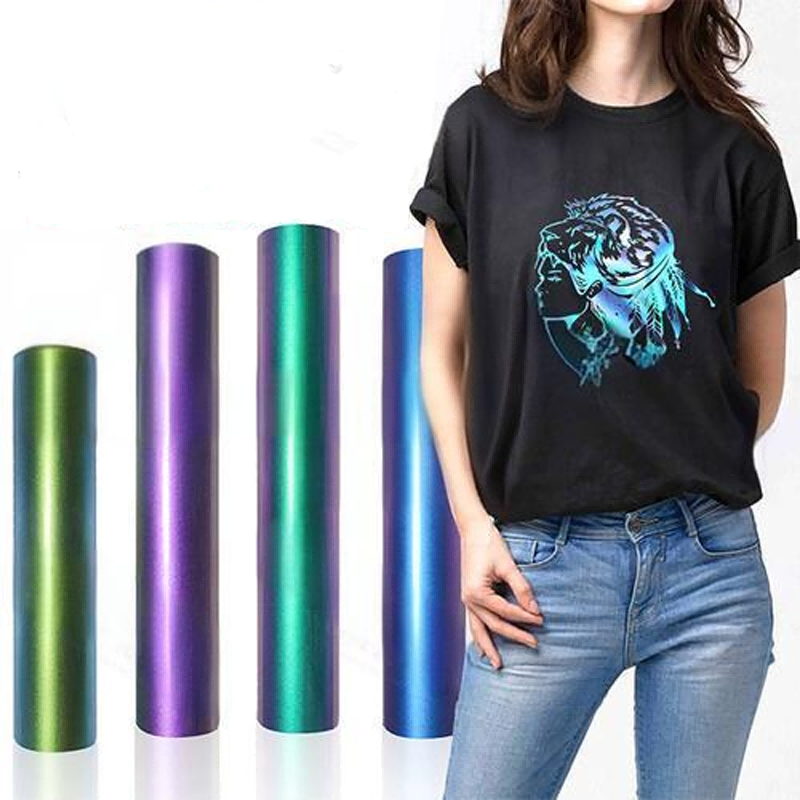
Understanding the optimal lighting angles for chameleon htv is essential for photographers, crafters, and retailers who want to capture the full spectrum of color-shifting effects that make this material so captivating. The unique properties of chameleon htv create dramatic color variations depending on the angle of illumination and viewing position, making proper lighting technique crucial for showcasing its transformative qualities. Professional photographers and product showcase specialists have developed specific methodologies to maximize the visual impact of chameleon htv, ensuring that every color transition is captured with precision and clarity.
The science behind chameleon htv color shifts relies on interference patterns created by microscopic layers within the vinyl structure, which means that lighting angle directly influences which colors become dominant in any given moment. Different illumination approaches can reveal completely different color palettes from the same piece of chameleon htv, making the selection of appropriate lighting angles a critical factor in achieving desired visual outcomes. Whether preparing product photography for commercial purposes or documenting craft projects for social media, mastering the relationship between light positioning and chameleon htv behavior ensures consistent and impressive results.
Understanding Chameleon HTV Light Interaction Principles
Optical Physics Behind Color Shifting Effects
The color-changing properties of chameleon htv emerge from thin-film interference, where multiple transparent layers create constructive and destructive interference patterns as light passes through them. This optical phenomenon means that different wavelengths of light are either amplified or cancelled depending on the angle at which light strikes the surface and the angle from which it is viewed. Understanding this fundamental principle helps explain why chameleon htv appears dramatically different under various lighting conditions and viewing positions.
When light hits chameleon htv at specific angles, certain wavelengths experience constructive interference and appear more vibrant, while others are diminished through destructive interference. This selective wavelength enhancement creates the signature color-shifting effect that makes chameleon htv so visually striking. The thickness of the interference layers and the refractive index differences between materials determine which colors emerge most prominently at different angles.
Professional lighting setups must account for these optical principles to consistently capture the full range of chameleon htv color variations. The relationship between incident light angle, viewing angle, and resulting color appearance follows predictable patterns that can be leveraged to achieve specific visual effects. This scientific foundation provides the basis for developing systematic approaches to chameleon htv photography and display.
Surface Texture Impact on Light Reflection
The surface finish of chameleon htv significantly influences how light interacts with the color-shifting layers, affecting both the intensity and clarity of color transitions. Smooth, glossy surfaces tend to create more pronounced color shifts with sharper transitions between hues, while textured or matte finishes can diffuse the effect and create more gradual color blending. Understanding these surface characteristics helps determine the most effective lighting angles for different types of chameleon htv products.
Microscopic surface irregularities can scatter incident light in multiple directions, creating complex interference patterns that may enhance or diminish certain color effects. This scattering behavior means that textured chameleon htv surfaces may require different lighting approaches compared to smooth variants to achieve optimal color showcase results. The interplay between surface topology and lighting angle becomes particularly important when documenting chameleon htv applications on curved or irregular surfaces.
Environmental factors such as humidity and temperature can also affect the surface properties of chameleon htv, potentially altering how light interacts with the material over time. Professional documentation and display setups should account for these variables to ensure consistent color representation across different conditions and time periods.
Optimal Lighting Angle Configurations
Primary Illumination Positioning Strategies
The most effective primary lighting setup for chameleon htv involves positioning the main light source at approximately 45 degrees above and to one side of the subject, creating an optimal balance between direct illumination and angular incidence that reveals color-shifting properties. This configuration provides sufficient light intensity while maintaining the angular relationship necessary for interference effects to manifest clearly. Professional photographers consistently achieve superior results when the primary light maintains this approximate positioning relative to the chameleon htv surface.
Adjusting the horizontal angle of the primary light source allows for emphasis of different color ranges within the chameleon htv spectrum, with positions ranging from 30 to 60 degrees off-axis producing distinct visual results. Moving the light source closer to perpendicular alignment tends to reveal warmer tones, while more oblique angles often enhance cooler color shifts. This horizontal positioning flexibility enables photographers to selectively emphasize specific portions of the chameleon htv color range.
The distance between the light source and chameleon htv surface also affects the quality of color revelation, with closer positioning creating more intense color saturation but potentially causing unwanted reflections or hotspots. Finding the optimal distance requires balancing intensity requirements with the need to maintain even illumination across the entire chameleon htv surface. Most professional setups achieve best results with primary lights positioned 3 to 6 feet from the subject, depending on the light source power and desired effect intensity.
Secondary Lighting Support Techniques
Effective chameleon htv photography often requires secondary lighting elements to fill shadows and provide additional angles for color revelation without overwhelming the primary color-shifting effects. Fill lights positioned at complementary angles can reveal different portions of the chameleon htv color spectrum simultaneously, creating more comprehensive documentation of the material's full range. These secondary sources should typically operate at lower intensity levels to avoid competing with the primary lighting setup.
Reflectors and diffusion panels serve as crucial secondary elements in chameleon htv lighting configurations, helping to redirect and soften harsh lighting while maintaining the angular relationships necessary for color-shifting effects. White or silver reflectors positioned opposite the primary light source can provide gentle fill illumination that reveals shadow detail without interfering with the main color effects. The size and positioning of these reflective surfaces require careful consideration to avoid creating unwanted secondary reflections on the chameleon htv surface.
Multiple light source configurations can create complex interference patterns that reveal multiple color phases of chameleon htv simultaneously, though this approach requires precise control to avoid muddying the color effects. When using multiple active light sources, each should be positioned to contribute to different aspects of the color revelation rather than competing for the same optical pathways. Professional multi-light setups often employ different color temperatures or intensities to create layered effects that showcase chameleon htv versatility.
Camera Positioning and Viewing Angle Considerations
Optimal Camera-to-Subject Relationships
The camera position relative to chameleon htv subjects plays an equally important role as lighting angle in determining which colors are captured and how prominently they appear in the final image. The viewing angle from the camera lens affects the interference patterns that reach the sensor, with different positions revealing distinctly different color combinations from the same chameleon htv surface. Professional photographers develop systematic approaches to camera positioning that ensure consistent and predictable color capture.
Maintaining a camera position that creates approximately 15 to 30 degrees of angular separation from the primary light source often produces the most dramatic chameleon htv color effects, as this geometry optimizes the interference conditions for maximum color contrast. This angular relationship can be achieved through various combinations of camera height, distance, and lateral positioning, providing flexibility while maintaining the optical requirements for optimal chameleon htv documentation.
The focal length and camera settings also influence how chameleon htv color effects are captured, with longer focal lengths potentially compressing the apparent angular relationships and affecting color intensity. Wide-angle lenses may capture more of the color variation across the chameleon htv surface but can also introduce distortion that affects color accuracy. Professional chameleon htv photography typically employs moderate focal lengths that balance field coverage with color fidelity.
Movement and Dynamic Capture Techniques
Capturing the full range of chameleon htv color-shifting effects often requires documenting the material from multiple viewing angles, either through camera movement or subject rotation. Video documentation provides an excellent medium for showcasing chameleon htv color transitions, as the changing viewing angles create smooth color morphing effects that demonstrate the material's dynamic properties. Planning camera movement paths that optimize color revelation requires understanding the relationship between angle changes and resulting color shifts.
Still photography series using systematic angle variations can effectively document the complete color range of chameleon htv materials, with each image capturing different portions of the color spectrum. This approach requires maintaining consistent lighting while varying only the camera position or subject orientation to isolate the effects of viewing angle changes. Professional documentation often combines multiple viewing angles in composite presentations that showcase chameleon htv versatility.
Interactive display techniques that allow viewers to change their viewing angle relative to chameleon htv samples provide the most complete demonstration of color-shifting properties. These setups require careful lighting design that maintains effective illumination across the full range of viewing positions while preserving the angular relationships necessary for color effects. Trade show and retail displays often employ rotating platforms or multi-angle viewing stations to showcase chameleon htv capabilities.
Environmental Factors and Control Strategies
Ambient Light Management
Controlling ambient lighting conditions is essential for achieving consistent chameleon htv color documentation, as unwanted light sources can interfere with the carefully planned illumination angles and create unpredictable color effects. Professional studios typically employ black-out conditions with complete control over all light sources to ensure that only intended illumination reaches the chameleon htv surface. This level of control allows for precise manipulation of lighting angles and intensities.
Natural daylight can create complex and varying illumination conditions that make consistent chameleon htv photography challenging, though skilled photographers can leverage changing natural light angles to create dynamic color demonstrations. Window lighting provides soft, diffused illumination that can enhance chameleon htv color effects, but requires timing and positioning to achieve optimal angles. Cloud cover and time of day significantly affect the quality and angle of natural illumination.
Mixed lighting environments combining artificial and natural sources require careful color temperature management to avoid color cast issues that can mask or distort chameleon htv color effects. Professional color correction and white balance techniques become particularly important when working with chameleon htv materials, as the color-shifting properties can confuse automatic camera systems and require manual override for accurate color representation.
Surface Preparation and Presentation Methods
The mounting and presentation method for chameleon htv samples significantly affects how lighting angles interact with the material and influence the resulting color effects. Flat mounting provides the most predictable lighting behavior but may not represent real-world applications where chameleon htv is applied to curved or irregular surfaces. Professional presentation often includes multiple mounting configurations to demonstrate chameleon htv performance under various application conditions.
Background selection plays a crucial role in chameleon htv photography, as contrasting or complementary backgrounds can enhance color perception and make color shifts more apparent to viewers. Neutral backgrounds typically provide the most accurate color representation, while darker backgrounds can enhance the apparent intensity of lighter chameleon htv colors. The background material should be non-reflective to avoid creating unwanted secondary light sources that could interfere with planned lighting angles.
Surface cleanliness and preparation directly impact how effectively chameleon htv demonstrates its color-shifting properties, as dust, fingerprints, or other contaminants can scatter light and diminish color clarity. Professional documentation requires careful surface preparation and handling procedures to maintain optimal optical properties throughout the photography session. Anti-static treatments and controlled handling procedures help preserve chameleon htv surface quality during extended documentation sessions.
Advanced Techniques for Enhanced Color Revelation
Polarization and Specialized Lighting Effects
Polarized lighting techniques can enhance chameleon htv color effects by reducing unwanted reflections and improving color saturation, though care must be taken not to eliminate the reflective properties that contribute to the color-shifting effects. Circular polarizing filters on camera lenses allow for fine-tuning of reflection control while maintaining the interference effects that create chameleon htv color variations. Professional photographers often experiment with polarization angles to optimize color clarity and contrast.
Specialized lighting equipment such as LED panels with adjustable color temperature can provide additional control over chameleon htv color revelation by emphasizing specific wavelength ranges that enhance particular color phases. Full-spectrum LED lighting maintains the broad wavelength distribution necessary for complete chameleon htv color effects while offering precise intensity and temperature control. These advanced lighting tools enable more sophisticated color revelation techniques.
Strobe and flash photography require special consideration when documenting chameleon htv, as the brief duration and high intensity can create different interference conditions compared to continuous lighting. Multiple flash setups can freeze motion while revealing chameleon htv color effects, but require careful synchronization and power balancing to achieve consistent results. Professional strobe techniques often employ modeling lights to preview chameleon htv color effects before capture.
Digital Enhancement and Post-Processing Considerations
Post-processing techniques for chameleon htv photography must balance color accuracy with visual impact, as over-enhancement can misrepresent the actual appearance of the material under normal viewing conditions. Professional color grading maintains the natural color relationships while optimizing contrast and saturation to match human visual perception. Careful calibration ensures that digital representations accurately reflect real-world chameleon htv appearance.
HDR (High Dynamic Range) techniques can be particularly effective for chameleon htv documentation, as the wide range of color intensities and reflective properties often exceed the dynamic range of standard camera sensors. Multiple exposure bracketing allows for capture of both highlight and shadow detail in chameleon htv color effects, enabling more complete documentation of the material's visual properties. Professional HDR processing maintains natural appearance while extending dynamic range.
Focus stacking and macro photography techniques enable detailed documentation of chameleon htv surface properties and their relationship to color effects, providing insights into the material structure that contributes to color-shifting behavior. These advanced techniques require precise lighting control to maintain consistent illumination across multiple focus planes while preserving chameleon htv color accuracy throughout the capture sequence.
FAQ
What is the single most important lighting angle for photographing chameleon htv?
The most critical lighting angle for chameleon htv photography is approximately 45 degrees above and 45 degrees to the side of the subject, creating optimal conditions for interference-based color effects while providing sufficient illumination for clear documentation. This angle maximizes color contrast and ensures that multiple color phases are visible simultaneously, making it the foundation for effective chameleon htv showcase photography.
How does camera position affect chameleon htv color appearance compared to lighting angle?
Camera position is equally important as lighting angle because chameleon htv color effects depend on both the incident light angle and the viewing angle, with the combination determining which interference patterns reach the camera sensor. Moving the camera position while maintaining consistent lighting reveals different color combinations, demonstrating that successful chameleon htv documentation requires coordinated control of both lighting and viewing geometry.
Can standard indoor lighting effectively showcase chameleon htv color shifts?
Standard indoor lighting can reveal chameleon htv color effects, but typically produces less dramatic and less controllable results compared to professional photography lighting setups. Room lighting often comes from multiple directions with varying intensities, creating complex interference patterns that may muddy the color effects rather than showcasing them clearly. Optimal results require controlled, directional lighting sources positioned at specific angles relative to the chameleon htv surface.
What common lighting mistakes reduce chameleon htv color effect visibility?
The most common lighting mistakes include using purely perpendicular illumination that minimizes angular interference effects, employing multiple uncontrolled light sources that create competing interference patterns, and insufficient attention to ambient light control that allows unwanted reflections to interfere with planned lighting angles. Additionally, using diffused lighting exclusively can reduce the directional quality necessary for strong chameleon htv color revelation, resulting in muted or unclear color transitions.
Table of Contents
- Understanding Chameleon HTV Light Interaction Principles
- Optimal Lighting Angle Configurations
- Camera Positioning and Viewing Angle Considerations
- Environmental Factors and Control Strategies
- Advanced Techniques for Enhanced Color Revelation
-
FAQ
- What is the single most important lighting angle for photographing chameleon htv?
- How does camera position affect chameleon htv color appearance compared to lighting angle?
- Can standard indoor lighting effectively showcase chameleon htv color shifts?
- What common lighting mistakes reduce chameleon htv color effect visibility?