 EN
EN


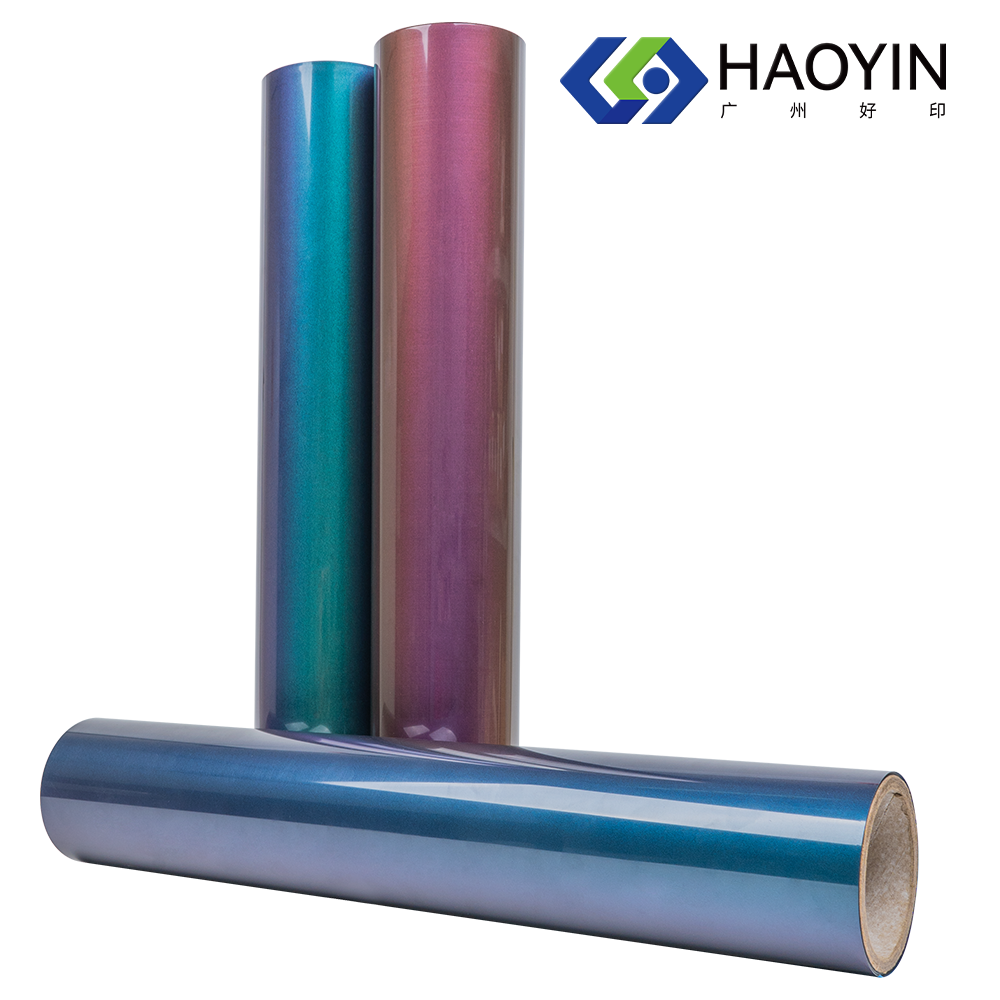
Understanding how silicone htv maintains its elasticity through repeated wash cycles requires examining the unique polymer structure that sets it apart from conventional heat transfer vinyl materials. Unlike traditional PVC-based vinyl that can become brittle and crack after multiple laundering sessions, silicone htv utilizes cross-linked silicone polymers that provide exceptional flexibility and recovery properties. This molecular arrangement allows the material to stretch and return to its original form without compromising the integrity of the transferred design, making it an ideal choice for garments that require frequent washing.
The elasticity retention mechanism in silicone htv stems from its thermally stable polymer chains that resist degradation from detergent chemicals, temperature fluctuations, and mechanical stress encountered during washing and drying processes. Professional garment decorators and manufacturers rely on this durability to ensure their products maintain appearance quality and performance standards throughout extended use cycles. The advanced formulation of silicone htv incorporates plasticizers and stabilizers that work synergistically to preserve flexibility while maintaining strong adhesion to fabric substrates.
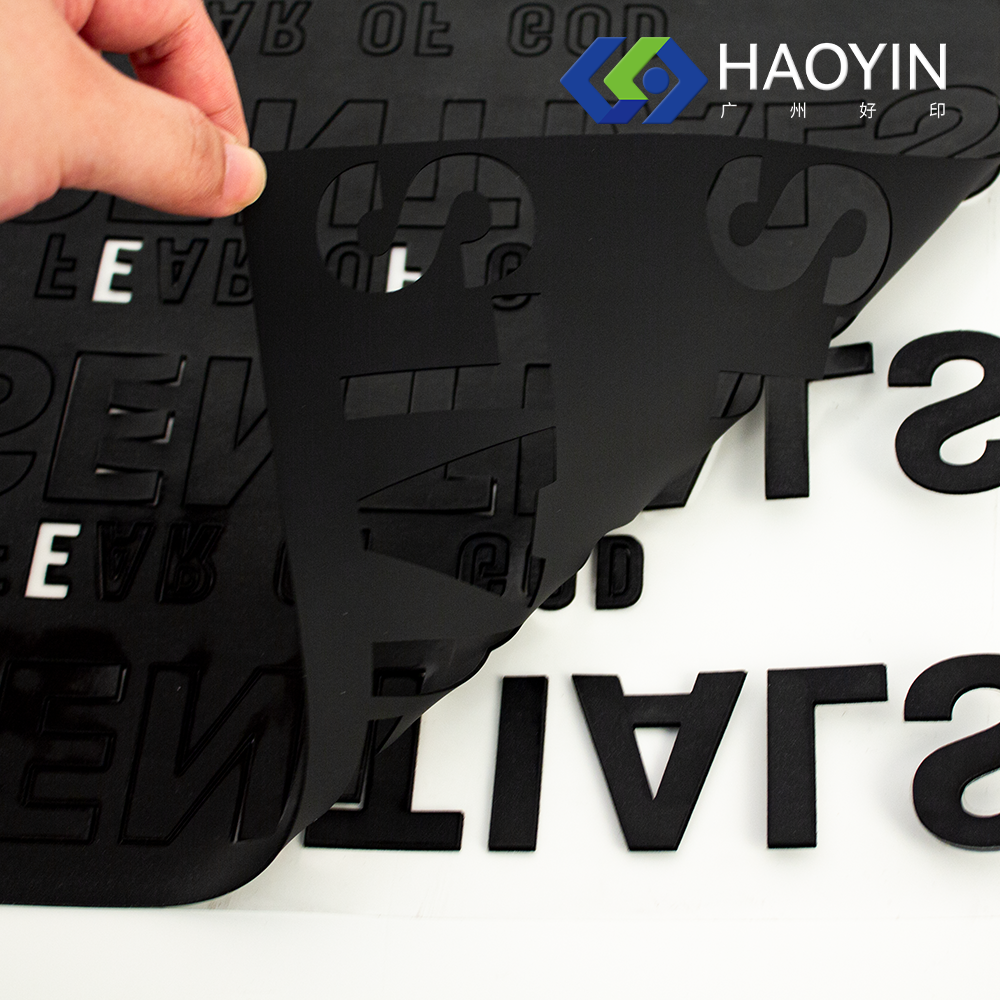
Molecular Structure and Elasticity Fundamentals
Silicone Polymer Chain Configuration
The elasticity of silicone htv originates from its unique siloxane backbone structure, where silicon and oxygen atoms alternate in long polymer chains. This molecular arrangement provides inherent flexibility because the silicon-oxygen bonds can rotate freely, allowing the material to deform under stress and return to its original shape when the force is removed. The cross-linking density in quality silicone htv is carefully controlled during manufacturing to optimize elasticity while ensuring adequate tensile strength for application durability.
The methyl side groups attached to the silicon atoms in silicone htv contribute significantly to the material's hydrophobic properties and chemical resistance. These characteristics prevent water absorption during washing cycles, which could otherwise lead to swelling, weakening, or dimensional changes that compromise elasticity. The polymer structure remains stable across a wide temperature range, maintaining consistent elastic properties whether exposed to hot wash water or high-temperature drying cycles.
Cross-Linking Mechanisms and Flexibility Retention
Cross-linking in silicone htv occurs through various chemical mechanisms that create three-dimensional polymer networks while preserving elasticity. Unlike rigid thermoset materials, silicone htv utilizes controlled cross-linking that forms flexible junction points between polymer chains. This network structure allows for significant deformation while preventing permanent creep or flow that would result in design distortion over time.
The degree of cross-linking directly influences the elastic modulus and recovery characteristics of silicone htv. Manufacturers optimize this parameter to achieve the ideal balance between flexibility and dimensional stability. Too little cross-linking results in poor shape retention and potential adhesion failure, while excessive cross-linking can make the material rigid and prone to cracking. Quality silicone htv maintains this delicate balance through precise formulation and curing processes.
Wash Cycle Resistance Mechanisms
Chemical Stability in Detergent Environments
Silicone htv demonstrates exceptional resistance to the chemical environment encountered during typical laundry cycles, which is crucial for maintaining elasticity over extended periods. Common laundry detergents contain surfactants, enzymes, bleaching agents, and alkaline compounds that can degrade many polymer materials. However, the inert nature of silicone polymers provides inherent protection against these chemical attacks, ensuring that the elastic properties remain unchanged after hundreds of wash cycles.
The hydrophobic surface characteristics of silicone htv prevent penetration of aqueous detergent solutions into the polymer matrix. This barrier effect protects the internal polymer structure from chemical modification that could alter elasticity. Additionally, silicone htv resists oxidation from bleaching agents and maintains stability in the alkaline conditions commonly found in automatic washing machines. This chemical inertness is fundamental to the long-term performance and elasticity retention of silicone htv applications.
Temperature Cycling Durability
The thermal stability of silicone htv enables it to withstand repeated exposure to hot wash water and dryer heat without losing elasticity. Standard washing temperatures ranging from cold water to hot cycles up to 60°C do not affect the polymer chain mobility or cross-link integrity that governs elastic behavior. This thermal resistance extends to typical dryer temperatures, allowing garments decorated with silicone htv to undergo complete laundry cycles without degradation.
Temperature cycling can cause expansion and contraction in many materials, leading to internal stress development and eventual failure. Silicone htv accommodates these thermal cycles through its inherent flexibility and low thermal expansion coefficient. The material's ability to maintain consistent elastic modulus across temperature ranges ensures that designs remain flexible and intact regardless of the washing and drying conditions employed.
Mechanical Stress Response and Recovery
Strain Distribution and Load Management
During wash cycles, garments experience complex mechanical stresses including stretching, twisting, and agitation forces that test the elasticity of applied silicone htv. The material's ability to distribute these stresses evenly across its surface prevents localized failure points that could initiate cracking or delamination. The viscoelastic properties of silicone htv allow it to absorb energy from mechanical impacts while recovering its original dimensions after stress removal.
The elastic recovery characteristics of silicone htv are particularly evident in its response to cyclic loading conditions similar to those experienced during washing machine agitation. Laboratory testing demonstrates that quality silicone htv can undergo thousands of stretch-recovery cycles with minimal permanent deformation. This fatigue resistance is essential for maintaining design integrity in garments that undergo frequent laundering, such as athletic wear and work uniforms.
Adhesion Interface Flexibility
The interface between silicone htv and fabric substrate plays a critical role in overall system elasticity and wash durability. Unlike rigid adhesive systems that can create stress concentration points, silicone htv forms flexible bonds that accommodate fabric movement during washing and wearing. This interfacial flexibility prevents the development of peel stresses that could cause adhesion failure after repeated wash cycles.
The thermoplastic nature of the adhesive layer in silicone htv allows it to flow and conform to fabric texture during heat application, creating mechanical interlocking in addition to chemical adhesion. This multi-mode bonding mechanism distributes stresses across a larger interface area, reducing the likelihood of localized failure. The adhesive layer maintains its flexibility after curing, ensuring that the bond can accommodate the differential expansion and contraction between the silicone htv and fabric during temperature cycling.
Performance Optimization Through Formulation
Additive Systems for Enhanced Durability
Modern silicone htv formulations incorporate sophisticated additive packages designed to enhance elasticity retention throughout extended wash cycles. These additives include processing aids that improve polymer chain alignment during manufacturing, resulting in more uniform elastic properties. Stabilizer systems protect against thermal and oxidative degradation that could gradually reduce elasticity over time, while maintaining the inherent flexibility of the silicone polymer matrix.
Reinforcing fillers in advanced silicone htv formulations provide dimensional stability without compromising elasticity. These carefully selected materials create internal reinforcement networks that resist permanent deformation while allowing reversible elastic response. The particle size and distribution of these reinforcing agents are optimized to maintain the smooth surface finish and flexibility that characterizes high-quality silicone htv products.
Quality Control and Performance Testing
Manufacturers of premium silicone htv implement rigorous testing protocols to verify elasticity retention after simulated wash cycle exposure. These tests typically involve accelerated aging procedures that subject material samples to multiple wash and dry cycles under controlled conditions. Elasticity measurements before and after exposure provide quantitative data on performance degradation and help establish realistic durability expectations for end users.
Standardized testing methods for silicone htv evaluation include tensile strength measurements, elongation at break determination, and elastic recovery assessments. These parameters provide comprehensive characterization of the material's mechanical properties and their stability under repeated washing conditions. Quality silicone htv products demonstrate minimal change in these critical properties after hundreds of simulated wash cycles, confirming their suitability for demanding applications.
Application Considerations for Maximum Durability
Processing Parameters and Initial Performance
The initial application process significantly influences the long-term elasticity retention of silicone htv through repeated wash cycles. Proper heat pressing temperature, pressure, and time parameters ensure complete adhesive activation and optimal polymer cross-linking density. Under-processing can result in weak adhesion and premature failure, while over-processing may cause excessive cross-linking that reduces initial elasticity and makes the material more susceptible to cracking during subsequent stress cycles.
Pre-treatment of fabric substrates can improve the durability of silicone htv applications by removing contaminants that could interfere with adhesion or cause localized stress concentrations. Clean, properly prepared fabric surfaces allow for uniform stress distribution across the interface, reducing the likelihood of premature failure during washing. The choice of fabric type also influences performance, with stretch fabrics requiring silicone htv formulations specifically designed to accommodate substrate movement without losing elasticity.
Care Instructions and User Guidelines
While silicone htv demonstrates excellent elasticity retention under normal washing conditions, following appropriate care instructions optimizes long-term performance. Recommended washing practices include using mild detergents without harsh chemicals, avoiding fabric softeners that could interfere with the silicone surface, and selecting appropriate temperature settings that balance cleaning effectiveness with material preservation.
Proper drying techniques contribute to maintaining the elasticity of silicone htv applications over extended use periods. Air drying or low-temperature machine drying minimizes thermal stress while ensuring complete moisture removal. Avoiding high-temperature drying or direct heat sources prevents potential degradation of the polymer structure that could gradually reduce elasticity. These guidelines help users maximize the durability benefits inherent in quality silicone htv products.
FAQ
How many wash cycles can silicone htv withstand while maintaining elasticity?
Quality silicone htv can typically maintain its elasticity through 50-100 or more wash cycles depending on the specific formulation, application quality, and washing conditions. Premium grades designed for commercial applications may exceed these numbers significantly. The exact durability depends on factors such as water temperature, detergent type, mechanical agitation intensity, and drying conditions used throughout the garment's lifecycle.
Does the type of fabric affect how well silicone htv maintains elasticity during washing?
Yes, the substrate fabric type significantly influences the elasticity retention of silicone htv during wash cycles. Stretch fabrics like cotton-spandex blends or performance polyesters work well with silicone htv because both materials can accommodate movement together. Rigid fabrics may create stress concentrations at the interface that could gradually affect the vinyl's elastic properties. The key is matching the flexibility characteristics of the fabric and silicone htv for optimal performance.
Can hot water washing damage the elasticity of silicone htv over time?
Silicone htv is designed to withstand normal hot water washing temperatures without losing elasticity. The thermal stability of silicone polymers allows them to maintain their flexible properties at typical washing temperatures up to 60°C. However, consistently using excessively hot water or combining high temperatures with harsh detergents may gradually affect performance over many cycles. Following manufacturer recommendations for washing temperature helps ensure optimal elasticity retention.
What signs indicate that silicone htv is losing its elasticity after multiple washes?
Signs of elasticity loss in silicone htv include visible cracking when the material is stretched, permanent deformation that doesn't recover after stress removal, or lifting at the edges where the material can no longer accommodate fabric movement. Changes in the surface texture, such as hardening or becoming brittle, also indicate degradation of the elastic properties. Quality silicone htv should maintain its original flexibility and appearance for many wash cycles when properly applied and cared for.
Table of Contents
- Molecular Structure and Elasticity Fundamentals
- Wash Cycle Resistance Mechanisms
- Mechanical Stress Response and Recovery
- Performance Optimization Through Formulation
- Application Considerations for Maximum Durability
-
FAQ
- How many wash cycles can silicone htv withstand while maintaining elasticity?
- Does the type of fabric affect how well silicone htv maintains elasticity during washing?
- Can hot water washing damage the elasticity of silicone htv over time?
- What signs indicate that silicone htv is losing its elasticity after multiple washes?