 EN
EN



In high-visibility workplaces, the demand for safety gear that is both functional and clearly identifiable has never been greater. reflective htv has emerged as a practical and versatile solution for integrating high-visibility markings directly onto hard hats, vests, jackets, gloves, and other personal protective equipment. Unlike sewn-on tape or painted markings, reflective htv bonds to surfaces through heat activation, creating a durable, professional finish that withstands the demanding conditions of construction sites, roadwork zones, warehouses, and emergency response environments.
Understanding how reflective htv integrates with hard-hat and safety gear designs requires looking at the material science behind the vinyl, the application process, the compliance standards it must meet, and the design considerations that make safety gear both regulation-ready and visually compelling. This article breaks down each of these areas to give safety equipment designers, procurement professionals, and workplace safety managers a clear picture of what reflective htv can do and how to use it correctly.
The Material Science Behind Reflective HTV
How Reflective HTV Achieves Its Visibility
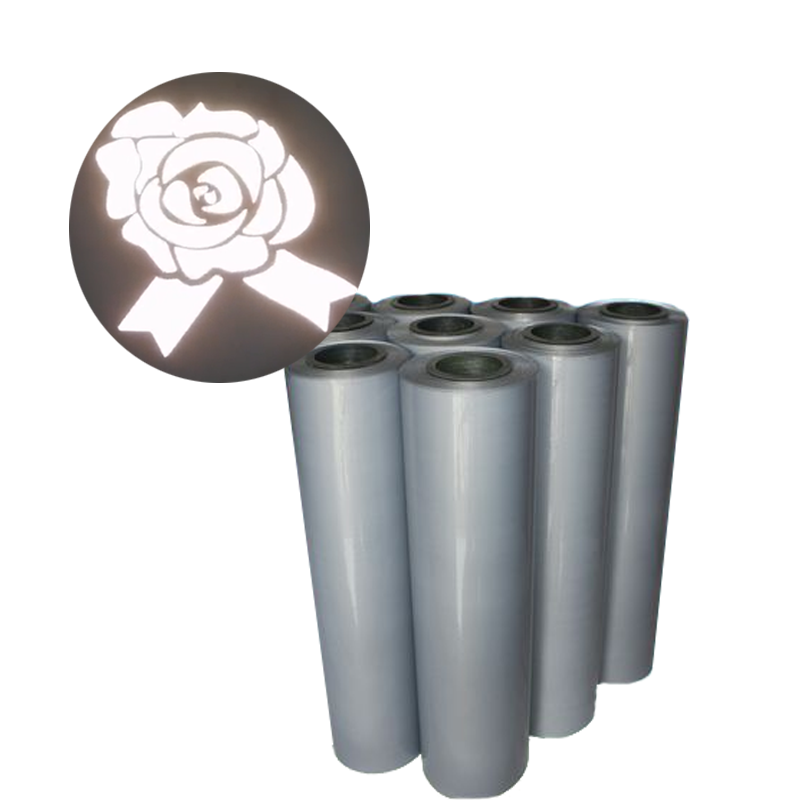
Reflective htv works by embedding microscopic glass beads or prismatic microstructures within a thin vinyl film. These elements are engineered to return light back toward its source, which is precisely what makes reflective htv so effective for safety applications. When a vehicle's headlights or a flashlight beam strikes the material, the retroreflective layer sends light directly back to the driver or observer, dramatically improving the visibility of the worker wearing the gear.
The vinyl carrier layer in reflective htv is formulated to bond with a wide range of substrates through the application of heat and pressure. This heat-activated adhesive layer creates a strong mechanical and chemical bond with the surface beneath it, whether that surface is polyester fabric, nylon, polypropylene, or certain treated hard surfaces found on hard hats. The result is a marking that does not peel, crack, or delaminate under normal working conditions.
The thickness of reflective htv is engineered to be flexible enough to conform to curved or irregular surfaces. This is critical for hard-hat applications, where the surface is not flat but follows a pronounced dome or brim curvature. High-quality reflective htv retains its retroreflective properties even when applied over slight curves, making it suitable for helmet-style PPE.
Substrate Compatibility with Safety Gear Materials
Not all safety gear materials respond identically to reflective htv application. Woven polyester and nylon fabrics, which are the most common base materials for high-visibility vests and jackets, are highly compatible with reflective htv. The heat-activated adhesive penetrates the surface fibers and creates a bond that can survive repeated washing cycles and extended outdoor exposure.
Hard hats present a more specific challenge because their shells are typically made from high-density polyethylene (HDPE) or acrylonitrile butadiene styrene (ABS) plastic. These thermoplastic surfaces can accept reflective htv when properly prepared and when application temperatures are carefully controlled. Applying reflective htv to plastics requires attention to temperature limits, since excessive heat can warp or damage the hard-hat shell. Most manufacturers recommend using a silicone pad press or a dedicated applicator rather than a standard flat heat press to manage heat distribution on curved plastic surfaces.
Gloves, helmets with textile padding, and ear defenders with fabric components can also accept reflective htv on their fabric panels. Understanding the material composition of each piece of safety gear before application is essential to ensuring that the reflective htv adheres correctly and that the base material is not compromised during the process.
Application Process for Hard Hats and Safety Gear
Preparing the Surface for Reflective HTV
Successful integration of reflective htv into safety gear starts with thorough surface preparation. On fabric-based PPE, this means ensuring the material is clean, dry, and free of any coatings, silicone sprays, or waterproofing treatments that could prevent adhesion. Pre-pressing the fabric for a few seconds before applying reflective htv removes moisture and pre-shrinks the material, which reduces the risk of post-application warping or lifting.
For hard-hat surfaces, the plastic shell should be wiped clean with isopropyl alcohol to remove mold-release agents, oils, and dust that may be present from the manufacturing process or from field use. This step is often overlooked but is critical to achieving a reliable bond between the reflective htv and the plastic substrate. Any residue on the surface will act as a barrier to adhesion.
It is also worth noting that some hard-hat manufacturers apply a glossy UV-protective coating to their shells. This coating can resist adhesion, and in such cases, the installer may need to apply a light, fine-grit scuff to the target area with abrasive paper before applying the reflective htv. This creates micro-texture on the surface that improves mechanical bonding.
Heat and Pressure Application Techniques
The application of reflective htv to safety gear involves cutting the vinyl to the required shape using a vinyl cutter or die-cutting system, weeding away the excess material, and then pressing the design onto the substrate using heat and pressure. For flat fabric items like vests and jackets, a standard flat heat press set to the appropriate temperature, time, and pressure settings for the specific reflective htv product is the most reliable method.
For curved surfaces such as hard-hat shells, a heat gun or a curved silicone pad applicator is commonly used instead of a flat press. The heat gun allows the installer to apply focused, controlled heat to small sections of the reflective htv at a time, pressing each section firmly against the curved surface with a squeegee or roller. This technique is more time-intensive than flat pressing, but it produces a smooth, conforming application that follows the contour of the hard hat without creating bubbles or wrinkles.
After the initial application, allowing the reflective htv to cool completely before peeling the carrier liner is essential. Peeling too early, while the adhesive is still warm and soft, can lift the design away from the surface. Once the material has cooled, the liner should peel away cleanly, leaving the reflective htv firmly bonded to the substrate.
Design Considerations for Safety and Compliance
Placement Patterns That Maximize Visibility
The positioning of reflective htv on safety gear is not simply an aesthetic decision. Regulatory frameworks such as ANSI/ISEA 107 in North America and EN ISO 20471 in Europe specify minimum areas of retroreflective material and their placement on high-visibility garments. These standards define where retroreflective tape or material must appear on the torso, shoulders, and limbs to ensure 360-degree visibility from oncoming traffic or equipment operators.
For hard hats, there is no single universal standard that mandates specific reflective marking positions, but industry best practices recommend placing reflective htv in horizontal or circumferential bands around the brim and dome, as well as in vertical stripes that allow identification from multiple angles. Some employers and site safety managers add company logos or worker identification marks using reflective htv to enable quick visual identification of team members in low-light conditions.
When designing reflective htv layouts for safety gear, it is important to avoid placing markings over seams, ventilation ports, or structural features of the hard hat that may prevent proper adhesion or alter the integrity of the equipment. Flat, uninterrupted surface areas on the front, sides, and back of the hard hat are the most reliable locations for reflective htv application.
Customization and Branding Within Safety Standards
One of the significant advantages of reflective htv over traditional sewn-on retroreflective tape is the ease with which it can be customized. Companies can cut reflective htv into virtually any shape, including logos, text, symbols, and geometric patterns, making it possible to incorporate corporate identity into safety gear without sacrificing the retroreflective function. This dual purpose—compliance and branding—makes reflective htv especially attractive for large organizations that issue standardized PPE to their workforce.
Custom shapes must be designed with the minimum width of retroreflective material in mind. Very fine lines or narrow text may not return enough light to be practically visible at distance, even if the material itself is technically reflective. Designers should prioritize bold, wide shapes that maximize the surface area of reflective htv exposed to incoming light sources.
Color is another design consideration. Reflective htv is available in silver, which is the highest-retroreflectivity option, as well as in fluorescent yellow, orange, and other high-visibility colors that combine daytime fluorescence with nighttime retroreflection. Choosing the correct color variant of reflective htv for the specific application—day shift versus night shift work, road work versus warehouse environments—ensures the gear meets both visual and regulatory requirements.
Durability and Maintenance of Reflective HTV on PPE
How Reflective HTV Holds Up Under Worksite Conditions
Durability is a central concern when evaluating reflective htv for safety gear, particularly in environments where PPE is exposed to harsh conditions daily. High-quality reflective htv is engineered to resist UV degradation, moisture, abrasion, and chemical exposure. On fabric-based gear, reflective htv retains its retroreflective performance through dozens of wash cycles when applied correctly, making it a cost-effective long-term marking solution.
On hard-hat shells, the reflective htv must withstand direct sun exposure, temperature cycling between hot and cold conditions, rain, dust, and mechanical contact with tools or equipment. Premium reflective htv formulations include UV-stabilized top coats that protect the glass bead or prism layer from photodegradation. This extends the useful service life of the marking and reduces the frequency of reapplication.
The bond strength between reflective htv and the substrate is tested by manufacturers under standardized peel and shear force protocols. When applied at the correct temperature, time, and pressure settings, the bond strength of reflective htv is typically sufficient to prevent delamination under normal PPE use conditions. However, applications carried out with insufficient heat or pressure may result in premature lifting, particularly at the edges of the design.
Inspection, Replacement, and Service Life Management
Safety managers responsible for maintaining PPE inventories should incorporate reflective htv into their regular inspection routines. Visual inspection should check for edge lifting, cracking, peeling, discoloration, or loss of retroreflectivity. A simple field test involves shining a flashlight at the material from a distance of several meters in a dim environment and observing whether a clear, bright reflection is returned. If the material appears dull or fails to return light, it has likely reached the end of its service life and should be replaced.
Replacing worn reflective htv is straightforward. The old material can typically be removed by carefully heating it with a heat gun to soften the adhesive, then peeling it away from the surface. Any adhesive residue can be removed with isopropyl alcohol before a fresh section of reflective htv is applied in its place. This makes reflective htv a maintainable and renewable safety marking solution rather than a permanent, non-replaceable fixture.
Organizations that issue PPE should establish clear replacement schedules based on the manufacturer's recommended service life for their specific reflective htv product. Some formulations are rated for one year of outdoor exposure, while higher-grade products may carry ratings of three to five years under similar conditions. Aligning replacement cycles with regular PPE audits helps ensure that high-visibility markings remain effective at all times.
FAQ
Can reflective htv be applied directly to a hard-hat shell without damaging it?
Yes, reflective htv can be applied to hard-hat shells made from HDPE or ABS plastic, but the process requires controlled heat application to avoid warping the shell. Using a heat gun or curved silicone applicator instead of a flat press is recommended, and surface preparation with isopropyl alcohol is essential for achieving a reliable bond. Always check the hard-hat manufacturer's guidelines to ensure heat application does not void the safety rating of the equipment.
Does reflective htv meet safety standards for high-visibility workwear?
Reflective htv products formulated specifically for safety applications are available with retroreflectivity performance that meets or exceeds the requirements of standards such as ANSI/ISEA 107 and EN ISO 20471. However, compliance depends not only on the material itself but also on correct placement, minimum surface area coverage, and the color class of the reflective htv used. Always verify the product's certification documentation and consult the applicable standard before specifying reflective htv for regulated safety garments.
How many wash cycles can reflective htv withstand on safety vests?
Most high-quality reflective htv products applied to polyester or nylon safety vests can withstand between 25 and 50 wash cycles before retroreflective performance begins to degrade noticeably, depending on wash temperature, detergent type, and application quality. Washing at lower temperatures and avoiding fabric softeners helps extend the service life of reflective htv on washed PPE items. Manufacturers typically provide specific wash care guidance for their reflective htv products.
Can reflective htv be cut into custom logo shapes for company branding on PPE?
Yes, reflective htv can be cut into virtually any shape using a vinyl cutter or die-cutting machine, making it well suited for custom logos, text, and symbols on PPE. Designs should prioritize broad, bold shapes to maximize the retroreflective surface area and ensure visibility at distance. Fine details and narrow lines in the design may reduce the effective reflective area and should be minimized in safety-critical applications where visibility is the primary objective.