 EN
EN


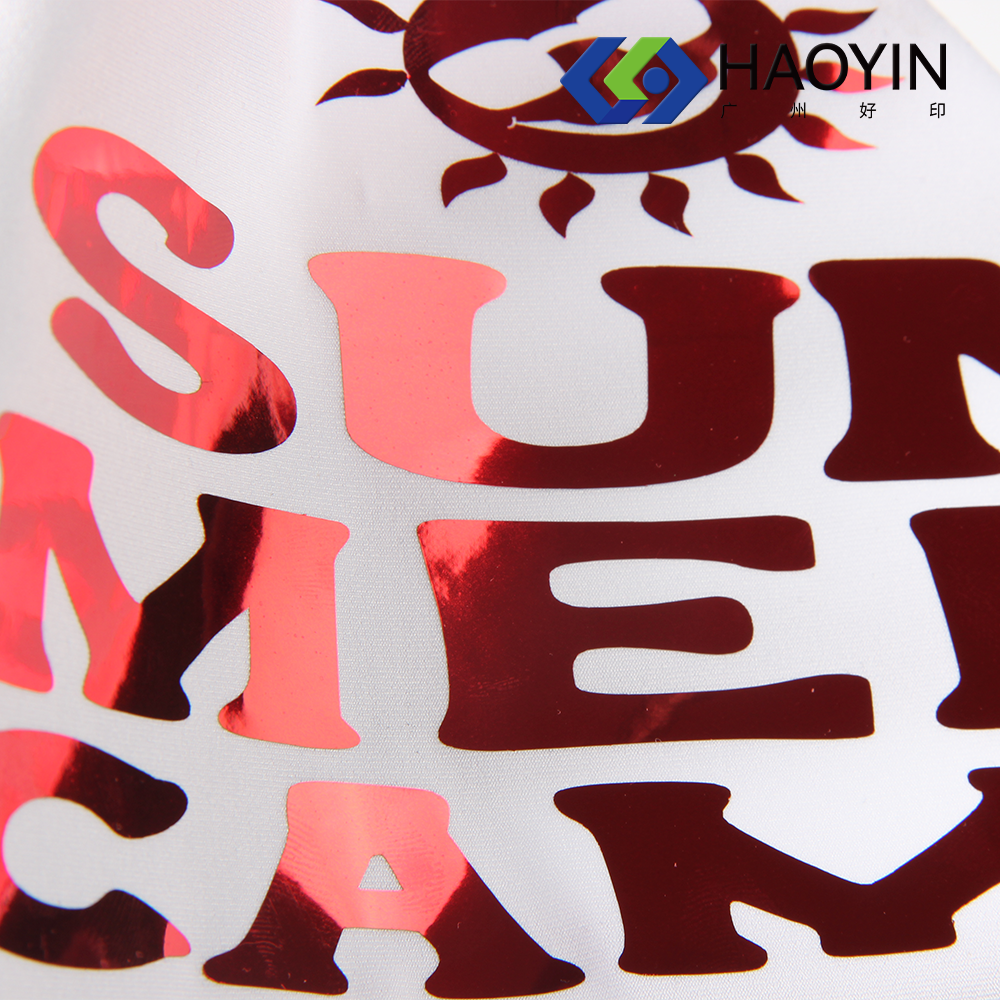
The fashion merchandise industry is undergoing a visible shift in how brands approach decorated apparel and accessories. Among the most talked-about materials driving this change is metallic htv, a heat transfer vinyl that delivers a luminous, foil-like finish with exceptional depth and texture. What was once reserved for novelty crafts and promotional items has now found a firm footing in high-end fashion merchandise lines, where brand identity, visual impact, and material quality are non-negotiable.
Understanding why metallic htv has captured the attention of fashion-forward brands requires looking at the intersection of aesthetics, production efficiency, and evolving consumer expectations. From limited-edition streetwear drops to curated luxury loungewear collections, the material is reshaping what decorated merchandise looks and feels like — and why buyers are willing to pay a premium for it.
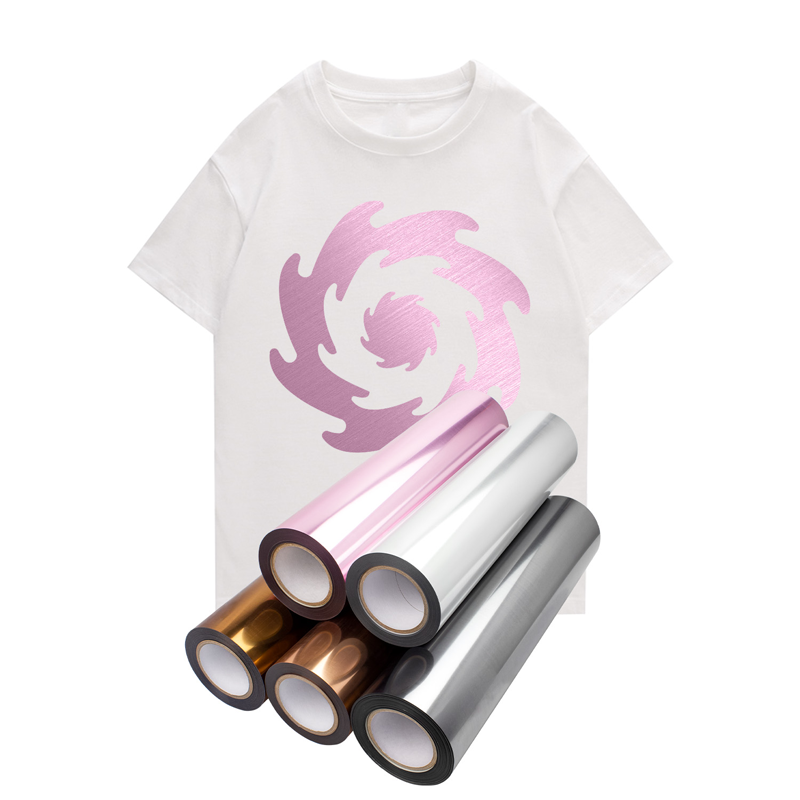
The Aesthetic Appeal Driving High-End Adoption
Visual Depth That Commands Attention
One of the most immediate reasons metallic htv resonates in premium fashion circles is its ability to create a visual presence that standard prints simply cannot replicate. The reflective, light-responsive surface of metallic htv gives garments a dynamic look that shifts with movement and lighting — a property that elevates even a simple logo placement into a statement design element. For fashion merchandise where first impressions are everything, this luminous depth is an enormous asset.
High-end brands understand that merchandise must carry the same visual weight as their core product lines. A hoodie or tote bag bearing a brand mark in metallic htv communicates value before the customer even touches the item. The material's sheen signals craftsmanship and intentionality, which are the exact qualities that distinguish premium merchandise from generic promotional goods.
Designers are also leveraging the fact that metallic htv can be layered and cut with extreme precision. Intricate typography, fine linework, and detailed graphic elements all translate beautifully onto the material's surface, allowing for sophisticated artwork execution that matches editorial-grade design standards.
Trend Alignment with Luxury Visual Language
Foil finishes, metallic tones, and iridescent surfaces have recurred consistently in luxury fashion for decades. Gold, silver, rose gold, and chrome aesthetics carry a well-established cultural shorthand for exclusivity and status. When metallic htv taps into this visual vocabulary, it allows even smaller fashion merchandise producers to speak the same language as heritage luxury houses — without the associated overhead of traditional embroidery or woven label production.
The material's finish options now span well beyond gold and silver. Contemporary metallic htv is available in champagne, gunmetal, holographic, and color-shifting variants, giving designers the flexibility to align closely with seasonal palette trends. This range of finish options makes it a versatile tool in any high-end merchandise designer's toolkit.
Why Production Efficiency Makes Metallic HTV the Smart Business Choice
Scalability Without Sacrificing Premium Quality
For fashion brands managing merchandise programs, the ability to scale production without quality degradation is critical. metallic htv excels in this area because the application process — heat press transfer — is highly repeatable, fast, and consistent across units. Whether a brand is producing fifty pieces for an exclusive capsule drop or five thousand pieces for a wide merchandise launch, the finish quality remains stable throughout the run.
This scalability is a meaningful advantage over techniques like hand embellishment, metallic screen printing, or foil stamping, which require more complex setups and are prone to batch-to-batch inconsistency. For brands where visual consistency across every merchandise unit is a brand standard, metallic htv provides a reliable production framework.
The roll-based format of metallic htv also supports efficient material management. Designers can cut custom shapes digitally with minimal waste, and rolls can be stored without the degradation issues associated with some specialty inks or pre-cut materials. This translates directly into better cost control per unit, which matters when building merchandise programs at margin-sensitive price points.
Faster Time-to-Market for Limited Editions and Collabs
High-end fashion merchandise often operates on tight timelines, especially for collaboration drops and event-specific collections. Metallic htv supports rapid turnaround because it requires no curing time, no separate chemical processes, and no multi-stage drying cycles. A design can go from digital file to finished garment in a matter of minutes once the vinyl is cut and the press is ready.
This speed-to-production advantage is increasingly important in an era where fashion brands are expected to respond quickly to cultural moments, trending aesthetics, or influencer collaborations. The ability to produce premium-looking metallic htv merchandise on short notice without sacrificing visual standards gives brands a competitive edge in fast-moving fashion merchandise cycles.
Consumer Behavior and the Premium Merchandise Shift
The Rise of Merchandise as a Fashion Statement
Consumer attitudes toward merchandise have fundamentally changed. Branded merchandise is no longer seen as a secondary purchase or a giveaway item — it has become an active part of how consumers express identity, loyalty, and taste. High-end buyers expect merchandise to look and feel as intentional as the brand itself. This shift in perception has created a direct demand for materials like metallic htv that elevate the visual experience of branded pieces.
When consumers share merchandise on social media — which has become a primary driver of brand discovery — the visual quality of the piece determines whether it functions as organic brand advertising or gets ignored. Metallic htv has inherent photogenic qualities; its reflective surface catches light beautifully in photography, making it particularly effective for merchandise designed for social visibility.
Willingness to Pay a Premium for Distinctive Finishes
Market data from across the fashion merchandise sector consistently shows that consumers are willing to pay more for items with distinctive finishes and material quality that feels elevated. Metallic htv sits in a sweet spot here — it delivers a premium aesthetic without pushing production costs to the extreme levels associated with embroidery or woven metallic thread techniques.
This price-to-perception gap is exactly what makes metallic htv commercially attractive for high-end merchandise lines. Brands can price merchandise at premium retail points while maintaining reasonable production margins, because the material achieves a luxury appearance at a cost structure that supports healthy business economics.
As fashion-literate consumers become more discerning about what they wear and what brands they associate with, the material and finish quality of merchandise will only grow in importance. Metallic htv positions brands to meet that expectation convincingly.
Technical Advantages That Support Long-Term Brand Standards
Durability Aligned with Premium Product Expectations
Premium merchandise is expected to last. A consumer paying a premium price for a branded garment has zero tolerance for a print that cracks, peels, or fades after a handful of washes. Metallic htv, when applied correctly using appropriate pressure, temperature, and dwell time, bonds deeply with fabric substrates and maintains its finish through repeated laundering.
Modern metallic htv formulations have improved significantly in their wash durability and surface resilience. The metallic layer is bonded to a flexible carrier that stretches with the garment fabric, preventing the cracking that was historically a concern with earlier metallic film applications. This technical improvement has made it viable for activewear, streetwear, and everyday casual wear — all categories that are core to high-end fashion merchandise programs.
Compatibility with Premium Fabric Substrates
Metallic htv is compatible with a wide range of fabric substrates commonly used in premium fashion merchandise, including cotton, polyester, cotton-poly blends, and performance fabrics. This compatibility means brands do not need to compromise on their base garment choices to accommodate the decoration technique. A brand committed to using heavyweight organic cotton or premium performance fleece can still apply metallic htv without concern.
The ability to work across fabric types also simplifies the production workflow when a merchandise line includes multiple product categories — such as tees, hoodies, caps, and bags — that may involve different material compositions. A single decoration approach using metallic htv can be applied across the entire range, maintaining visual consistency and reducing the complexity of managing multiple decoration vendors or processes.
FAQ
What makes metallic htv different from regular heat transfer vinyl?
Metallic htv features a reflective metallic surface layer that creates a foil-like, luminous finish that standard matte or glossy heat transfer vinyl cannot replicate. The metallic layer captures and reflects light in a way that gives designs a premium, dimensional quality, making it the preferred choice for applications where visual impact and brand elevation are the primary goals.
Is metallic htv durable enough for high-volume fashion merchandise production?
Yes. Contemporary metallic htv formulations are engineered for durability, with strong adhesion to fabric substrates and resistance to wash cycles when applied at recommended settings. For fashion merchandise applications, where garments are expected to hold their appearance across regular use, properly applied metallic htv meets the durability standards that premium product lines demand.
Can metallic htv be used on dark-colored garments?
Metallic htv is opaque by nature, which means it performs effectively on both light and dark-colored garments without the need for a white underbase. This is a practical advantage for fashion merchandise designers working with dark colorways — black, navy, charcoal, and deep jewel tones — which are common in high-end collections and where metallic finishes create particularly striking contrast.
How does metallic htv support a brand's overall merchandise positioning?
Metallic htv communicates quality, intentionality, and design sophistication through its material finish alone. For high-end brands, every touchpoint with the consumer is an expression of brand identity, and merchandise is no exception. Using metallic htv signals to buyers that the brand invests in decoration quality and pays attention to detail — both of which are strong markers of premium brand positioning in today's fashion market.