 EN
EN


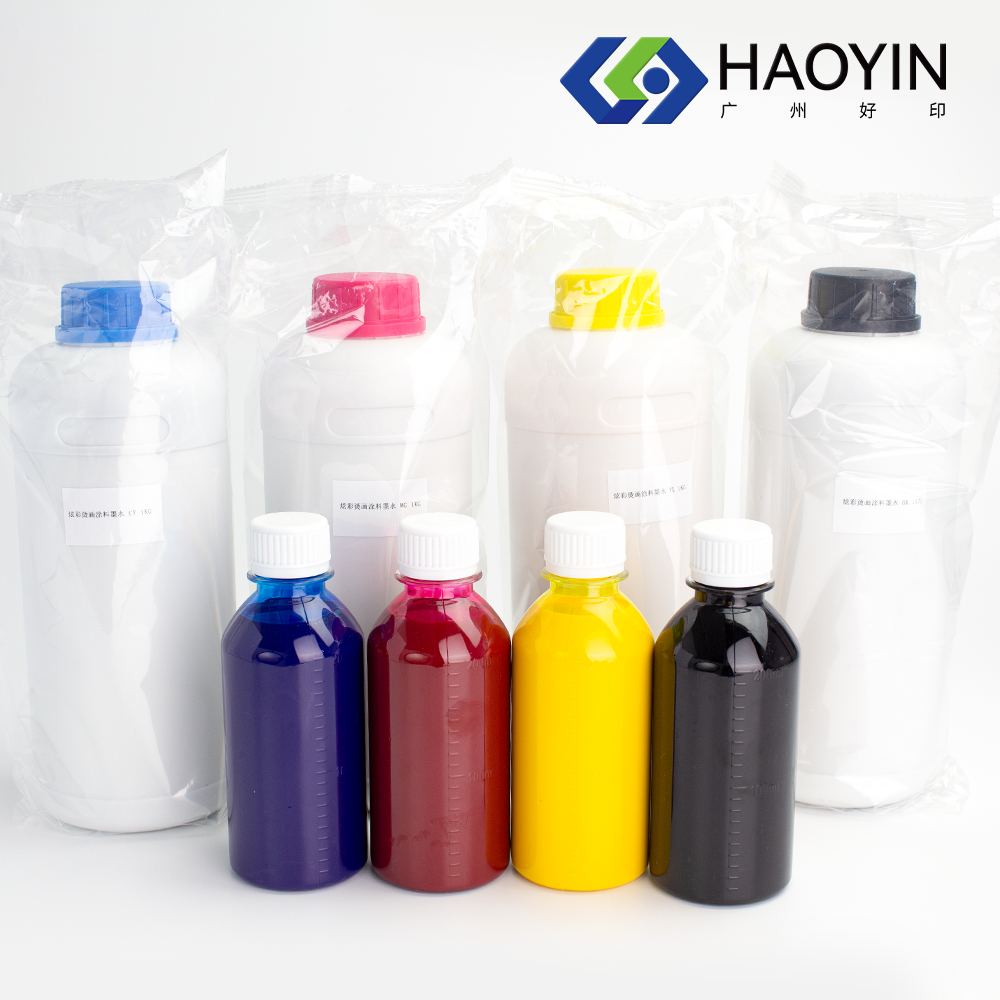
When it comes to direct-to-film printing, understanding how dtf ink behaves across different fabric types is not just a technical curiosity — it is a critical business decision. Print shops, garment decorators, and textile manufacturers who invest in high-quality dtf ink solutions need to know exactly what to expect when transferring designs onto cotton, polyester, blends, and specialty materials. The resistance properties of dtf ink — including wash fastness, stretch resistance, heat tolerance, and adhesion strength — do not remain constant across all fabric substrates. They vary significantly, and knowing why can mean the difference between a premium finished product and a costly reprint.
The science behind dtf ink adhesion is rooted in how the hot-melt adhesive powder bonds with specific fiber structures during the heat press curing phase. Natural fibers, synthetic fibers, and blended textiles each present a unique surface chemistry and mechanical texture that directly influences how well the dtf ink film locks into place. This article breaks down those differences in detail, explaining which fabric categories yield the strongest resistance profiles, which ones require adjusted printing parameters, and what practical steps decorators can take to optimize dtf ink performance across their fabric range.
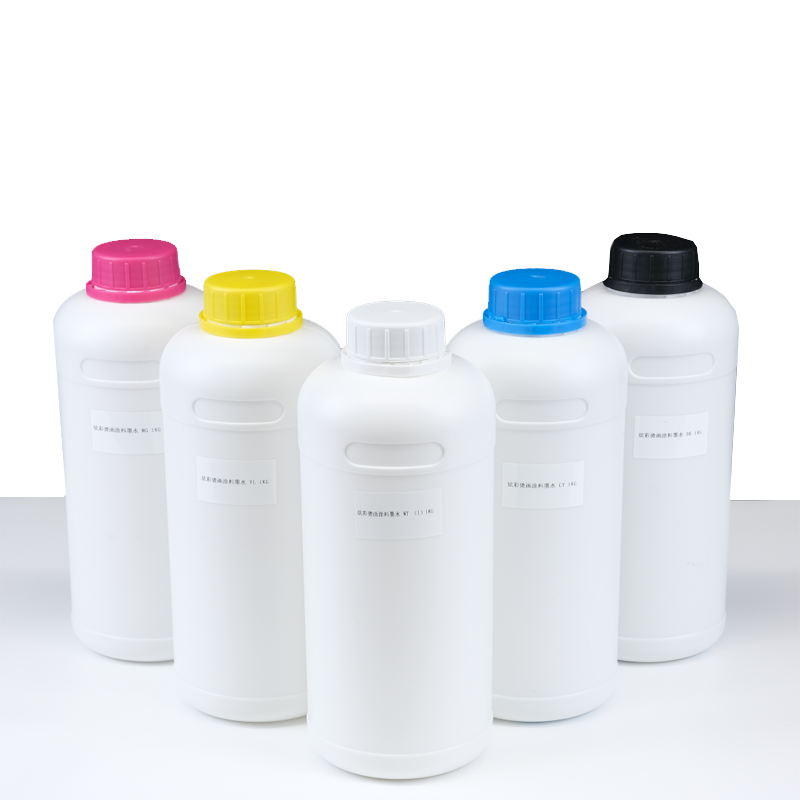
The Fundamentals of DTF Ink Resistance
What Resistance Actually Means in DTF Printing
In the context of direct-to-film printing, resistance refers to a printed design's ability to withstand mechanical and chemical stresses over time without fading, cracking, peeling, or losing vibrancy. For dtf ink, this encompasses several measurable properties: wash fastness (how well the print survives repeated laundering), stretch resistance (how the film copes with fabric elongation), rub resistance (resistance to abrasion on the print surface), and UV resistance (color stability under sunlight exposure).
Each of these resistance dimensions is influenced by a two-part equation: the quality and formulation of the dtf ink itself, and the physical and chemical characteristics of the receiving fabric. A premium dtf ink formulated with high-grade pigments and flexible binders will naturally outperform lower-grade alternatives across the board. However, even the best dtf ink can underperform if it is applied to a fabric whose surface structure limits proper adhesion during the transfer process.
Understanding the interaction between ink film and fabric is therefore essential for any serious decorator. The adhesive powder layer that sits between the dtf ink film and the garment plays a mediating role, but its effectiveness still depends on how well the fabric surface accepts and anchors that adhesive bond during heat pressing. Different fabrics create very different conditions for this bonding process to succeed.
The Role of Fiber Structure in Ink Film Bonding
Fiber structure determines how much surface area is available for adhesion, how heat is conducted through the fabric during pressing, and how the fabric itself moves after application. Natural fibers like cotton have an irregular, absorbent surface with micro-scale grooves and pores, while synthetic fibers like polyester have a smoother, more uniform structure with lower absorbency. These differences profoundly affect how dtf ink films anchor to the fabric.
A rougher, more textured fiber surface — as seen in heavyweight cotton — can provide excellent mechanical interlocking for the adhesive layer, leading to strong bonds and superior wash fastness. Meanwhile, the smooth surface of polyester limits mechanical adhesion, making the chemical compatibility between the adhesive and the synthetic fiber far more important. Blended fabrics create hybrid conditions that require careful calibration of press temperature and dwell time.
The moisture content of the fabric at the time of pressing also plays a role. Fabrics with higher natural moisture retention can interfere with complete adhesive curing during the heat press cycle, leading to weaker bonds and reduced dtf ink resistance. Pre-pressing the garment to eliminate moisture before applying the dtf ink transfer is a standard best practice that consistently improves resistance outcomes across fabric types.
DTF Ink Resistance on Cotton Fabrics
Why Cotton Is Often Considered the Benchmark Substrate
Cotton is the most widely used substrate in the decorated apparel industry, and for good reason: it delivers some of the most reliable dtf ink resistance results available. The natural cellulosic structure of cotton fibers creates an ideal surface for the hot-melt adhesive to penetrate and grip. When heat and pressure are applied during the transfer process, the adhesive layer bonds deeply into the cotton's surface texture, creating a mechanically anchored film that resists both washing and stretching.
On 100% cotton with a weight of 180–200 gsm, dtf ink transfers typically achieve excellent wash fastness, often maintaining vibrant color and sharp edge definition through 40 or more wash cycles when proper printing parameters are followed. The natural fiber's ability to withstand high press temperatures (typically 160–170°C for 10–15 seconds) without damage also allows the adhesive to cure fully, which is critical for maximum resistance performance.
Cotton's slight surface absorbency also means that the adhesive has additional points of chemical contact beyond pure surface adhesion. This multi-point bonding mechanism is one reason why dtf ink on cotton tends to outperform other substrates in long-term durability testing. For businesses serving retail, promotional, or sportswear markets where garments face frequent washing, cotton remains the most forgiving and consistent substrate for dtf ink application.
Challenges with Lightweight and Specialty Cotton Weaves
Not all cotton substrates deliver equal dtf ink resistance. Lightweight cotton fabrics (below 140 gsm) present challenges because their thinner construction conducts heat more aggressively and provides less backing mass for adhesive penetration. This can result in over-curing at the surface and under-bonding in depth, leading to premature edge lifting after washing. Reducing press temperature slightly and increasing dwell time can help compensate.
Specialty cotton weaves — including ring-spun, combed, and slub textures — have varying surface profiles that affect ink film flatness. A highly textured slub weave, for example, may cause the transferred dtf ink film to bridge across raised fibers rather than conforming tightly to the surface. This bridging effect reduces the bonded surface area and can lead to cracking under stretching forces. Using a slightly higher press pressure can minimize bridging on textured weaves.
Ringspun and combed cottons, on the other hand, tend to have a smoother, more uniform surface than standard open-end spun cotton. This smoother surface can actually improve dtf ink film flatness and reduce the risk of cracking, making premium ringspun cotton one of the top-performing substrates for high-detail decorative applications where print clarity and long-term resistance are both priorities.
DTF Ink Resistance on Polyester and Synthetic Fabrics
Adhesion Challenges on Smooth Synthetic Surfaces
Polyester and other synthetic fabrics present a markedly different challenge for dtf ink adhesion. The smooth, low-porosity surface of polyester fibers provides far less mechanical interlocking opportunity for the adhesive layer compared to cotton. This means the bond between the dtf ink film and the polyester substrate is more reliant on thermoplastic fusion — the adhesive softening and flowing into the fiber surface under heat and pressure — than on mechanical anchoring.
The practical implication is that polyester requires more precise temperature control during the heat press stage. Pressing at too low a temperature results in incomplete adhesive fusion and poor long-term dtf ink resistance. However, pressing polyester at temperatures suitable for cotton can cause sublimation of the polyester's own dye, resulting in color migration — a phenomenon where the garment's base color bleeds into the dtf ink film and distorts the print. Finding the optimal temperature window for polyester typically requires testing with the specific fabric construction in use.
Despite these challenges, modern dtf ink formulations have significantly improved polyester compatibility. High-quality dtf ink products designed with polyester-optimized adhesive systems can deliver acceptable wash fastness on performance sportswear and activewear fabrics when correct parameters are followed. The key is using a dtf ink product that explicitly supports synthetic fiber applications and adjusting press settings accordingly.
Performance Considerations for Athletic and Stretch Fabrics
Athletic fabrics — including polyester knits, spandex blends, and four-way stretch materials — introduce an additional resistance variable: elongation. A dtf ink film must not only bond to the fabric surface but also stretch and recover alongside the fabric during wear and washing without cracking or delaminating. This demand for elasticity is one of the most technically challenging aspects of dtf ink performance engineering.
The flexibility of the dtf ink film itself is determined largely by the binder chemistry in the formulation. Films that contain rigid binder systems crack quickly under stretch, while films built with elastic polyurethane-based binders can accommodate significant elongation without failure. When applying dtf ink to high-stretch athletic fabrics, always verify that the dtf ink product is rated for stretch applications, and test transfer durability through repeated elongation cycles before committing to production.
Wash behavior on stretch fabrics is also more aggressive than on woven cotton, as the mechanical agitation during laundering creates both pulling and twisting forces across the print surface. Selecting a dtf ink that combines strong adhesion with genuine elasticity is therefore not optional for athletic wear applications — it is a fundamental product requirement that directly determines customer satisfaction and return rates.
DTF Ink Resistance on Blended and Specialty Fabrics
Cotton-Polyester Blends: Navigating the Middle Ground
Cotton-polyester blends are among the most common apparel fabrics globally, favored for their balance of comfort, durability, and cost efficiency. From a dtf ink resistance standpoint, blends present a nuanced challenge: the fabric surface contains both fiber types in close proximity, meaning the adhesive encounters zones of high-porosity cotton and smooth polyester simultaneously. The resulting bond quality is a composite of both fiber interactions.
A 50/50 cotton-polyester blend typically delivers dtf ink resistance results that fall between pure cotton and pure polyester benchmarks. Wash fastness is generally good but may not match the performance of 100% cotton. The risk of dye migration from the polyester component is present but reduced compared to 100% polyester, particularly with blends where the cotton fibers dominate the surface structure. Press temperatures in the 155–165°C range are commonly used to balance thorough adhesive curing with minimal dye migration risk.
Higher cotton content blends — such as 60/40 or 65/35 cotton-polyester — tend to behave more like pure cotton and can tolerate slightly higher press temperatures, further improving dtf ink adhesion depth. Lower cotton content blends require closer attention to migration control and may benefit from using a barrier-layer approach or migration-blocking adhesive powder products where available. Regardless of blend ratio, pre-pressing to remove moisture and surface wrinkles remains important for consistent dtf ink transfer outcomes.
Dark and Coated Specialty Fabrics
Specialty fabrics — including heavily dyed dark garments, waterproof-coated nylons, performance moisture-wicking fabrics, and textured fleece materials — each present unique dtf ink resistance challenges. Dark fabrics require higher white dtf ink opacity to prevent show-through, which means the white ink layer is thicker and must bond especially securely to prevent delamination. Ensuring adequate white ink coverage while maintaining film flexibility is a key formulation challenge for dark fabric applications.
Coated and DWR (durable water repellent) treated fabrics are particularly difficult substrates for dtf ink adhesion. The coating itself acts as a barrier to adhesive bonding, dramatically reducing the bond strength of any transferred film. Many coated outdoor fabrics cannot be reliably decorated with dtf ink without pre-treatment to neutralize or disrupt the coating layer. Even with pre-treatment, long-term wash resistance on coated fabrics tends to be lower than on untreated substrates.
Fleece and looped fabric surfaces offer interesting adhesion dynamics. The raised fiber loops can provide significant mechanical grip for the adhesive layer, resulting in strong initial bond strength. However, the flexible, compressible nature of fleece means that repeated flexing and washing can stress the film from multiple directions simultaneously. Testing wash fastness on fleece through a full 20-cycle program before production is strongly recommended to verify that the specific dtf ink system in use meets durability expectations for the end-use application.
Optimizing DTF Ink Resistance Across Fabric Types
Process Variables That Make the Difference
Beyond fabric selection, several process variables directly influence dtf ink resistance regardless of the substrate being printed. Press temperature, dwell time, and pressure are the primary levers available to the decorator. These three variables work together to determine the extent and depth of adhesive bonding during transfer. Getting all three right for a given fabric type is the foundation of consistent dtf ink resistance performance.
Temperature must be high enough to fully melt and flow the adhesive layer but low enough to avoid damaging the fabric or causing dye migration. Dwell time must be sufficient to allow the molten adhesive to penetrate the fabric surface but not so long that excess heat degrades the ink film or the fabric. Pressure must be even across the entire print area to ensure uniform bonding — uneven pressure leads to weak zones where the dtf ink film may lift prematurely.
The quality and consistency of the adhesive powder used in the dtf ink workflow also matters enormously. Premium hot-melt adhesive powders with narrow particle size distribution melt more uniformly, creating a smoother, more consistent bonding layer. This consistency translates directly into more predictable dtf ink resistance outcomes across all fabric types, reducing the variability that makes quality control difficult in high-volume production environments.
Ink Formulation Quality as a Resistance Multiplier
The formulation quality of the dtf ink itself is arguably the single most important factor in determining long-term resistance performance. High-quality dtf ink uses pigments with superior lightfastness ratings, binder systems with proven flexibility and adhesion strength, and balanced viscosity profiles that enable precise drop placement and complete film formation during printing and curing.
Lower-grade dtf ink products often cut corners on pigment quality or binder chemistry, resulting in films that may look acceptable initially but degrade rapidly under washing, UV exposure, or mechanical stress. For businesses where repeat customer business depends on print durability, investing in a premium dtf ink system is a direct investment in customer retention. The per-print cost difference between premium and economy dtf ink products is typically small compared to the cost of a reprint or a dissatisfied customer.
Printer compatibility is also an important quality dimension. A well-formulated dtf ink will be optimized for the specific printhead technology in use — whether Epson i3200, i1600, XP600, or other architectures — ensuring clean jetting, consistent droplet formation, and reliable pigment-to-binder ratios in the deposited film. Using a dtf ink specifically engineered for the target printhead type reduces maintenance demands and ensures the printed film has the structural integrity necessary for strong, lasting resistance across all fabric types.
FAQ
Does dtf ink resist washing the same way on all fabric types?
No. Wash fastness of dtf ink varies significantly by fabric type. Cotton generally delivers the strongest wash resistance due to its textured, absorbent surface that allows deep mechanical bonding of the adhesive layer. Polyester and synthetic blends can achieve good wash fastness when correct press parameters are used, but they require more precise temperature control. Specialty coated fabrics typically yield the weakest wash resistance and may require pre-treatment for acceptable results.
Can dtf ink be applied to stretch fabrics without cracking?
Yes, but only when using a dtf ink formulation specifically designed for stretch applications. The key factor is the binder chemistry in the ink film — elastic binders based on polyurethane chemistry can flex and recover alongside stretch fabrics without cracking. Standard rigid-binder dtf ink products are not suitable for high-elongation fabrics and will crack under stretching forces. Always verify the stretch rating of your dtf ink product before applying it to athletic or spandex-blend substrates.
Why does dye migration occur when using dtf ink on polyester?
Dye migration happens when the heat applied during the dtf ink transfer process causes the sublimation dyes in polyester fibers to vaporize and penetrate the adhesive and ink film layers. This results in the base fabric's color bleeding into the print and distorting it. It is most common when press temperatures exceed the sublimation threshold of the polyester dye. Using lower press temperatures, shorter dwell times, and migration-blocking adhesive powder products can significantly reduce or eliminate this issue.
How can I improve dtf ink resistance on blended fabrics?
Improving dtf ink resistance on blended fabrics involves several steps: pre-press the garment to remove moisture and wrinkles, calibrate press temperature to the lower end of the safe range to minimize polyester dye migration risk, ensure even press pressure across the full print area, and select a high-quality dtf ink product with proven performance on blend substrates. Testing each new blend ratio with a full wash cycle program before moving to production is the most reliable way to confirm resistance outcomes before committing to volume printing.